By The Malketeer
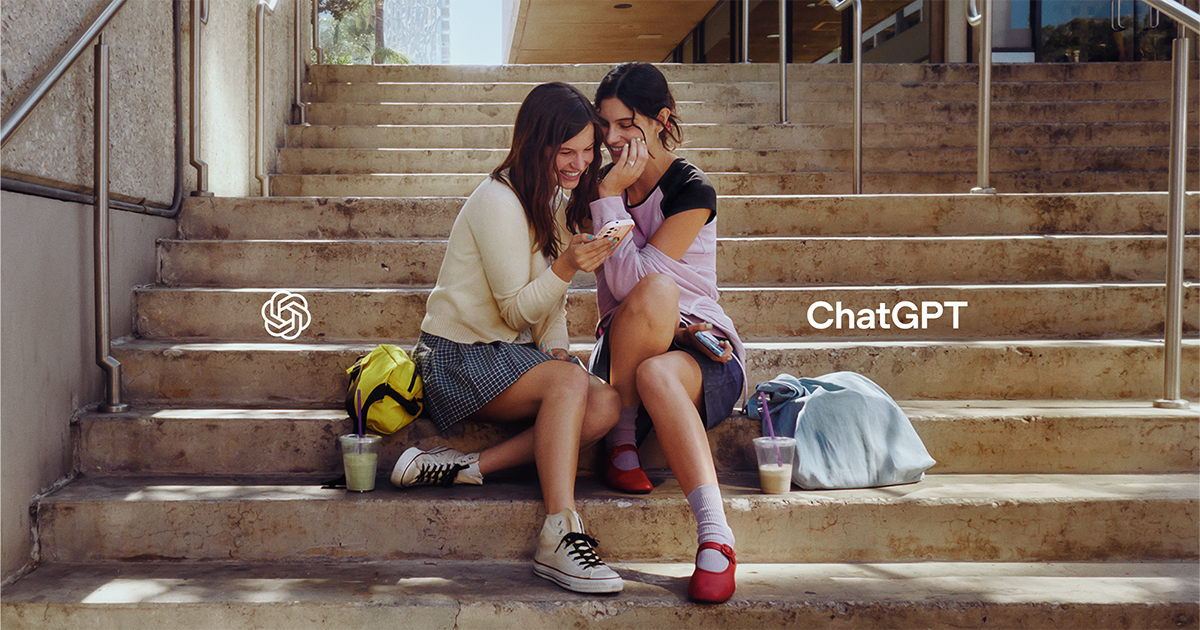
OpenAI has just rolled out the largest advertising push in its history, a multi-channel campaign designed to show how ChatGPT fits into the fabric of daily life.
After making its debut on one of the world’s biggest stages—the Super Bowl—the AI company is now taking a very different tack.
Instead of abstract visuals about innovation, we see human stories: a young man looking up a recipe to impress his date, siblings plotting a road trip, someone asking for fitness tips.
These vignettes are running across TV, streaming, outdoor, paid social and influencer partnerships in the US and UK through the end of the year.
Chief marketing officer Kate Rouch says the goal is simple: to make viewers think “this is for me.”
That’s a notable shift from February’s pointillist Super Bowl spot, which evoked the sweep of technological progress rather than the intimacy of a dinner table or a weekend drive.
From Frontier Tech to Familiar Friend
The creative pivot reflects how fast generative AI has moved from novelty to mainstream utility.
With ChatGPT now clocking 700 million weekly active users and annual recurring revenue rising from USD10 billion in June to USD13 billion in August, OpenAI no longer needs to convince people that the technology exists.
It needs to convince them it belongs in their everyday routines.
Vice president of creative Michael Tabtabai describes it as “connecting with people on a human level.”
Director Miles Jay shot the films on 35mm, photographer Samuel Bradley and stylist Heidi Bivens lent a lifestyle gloss to the outdoor ads, and media agency PHD is orchestrating the rollout.
Despite the AI theme, human craft was central to the campaign—even as ChatGPT itself acted as a “co-creator” during brainstorming, according to executive creative director Zach Stubenvoll.
Humanising Innovation
For marketers in Malaysia and beyond, there are three takeaways.
Why This Matters
For years, tech marketing has oscillated between sci-fi futures and feature checklists.
OpenAI’s latest move signals a third path: emotional brand building rooted in real usage.
It’s an approach familiar to FMCG, automotive and telecom brands, but relatively new for AI companies.
If it works, expect to see more generative-AI players borrowing the language of everyday life rather than the lexicon of disruption.
This is not just another big-budget campaign to admire—it’s a case study in how to reposition a high-tech product as a human-scale companion.
Share Post:


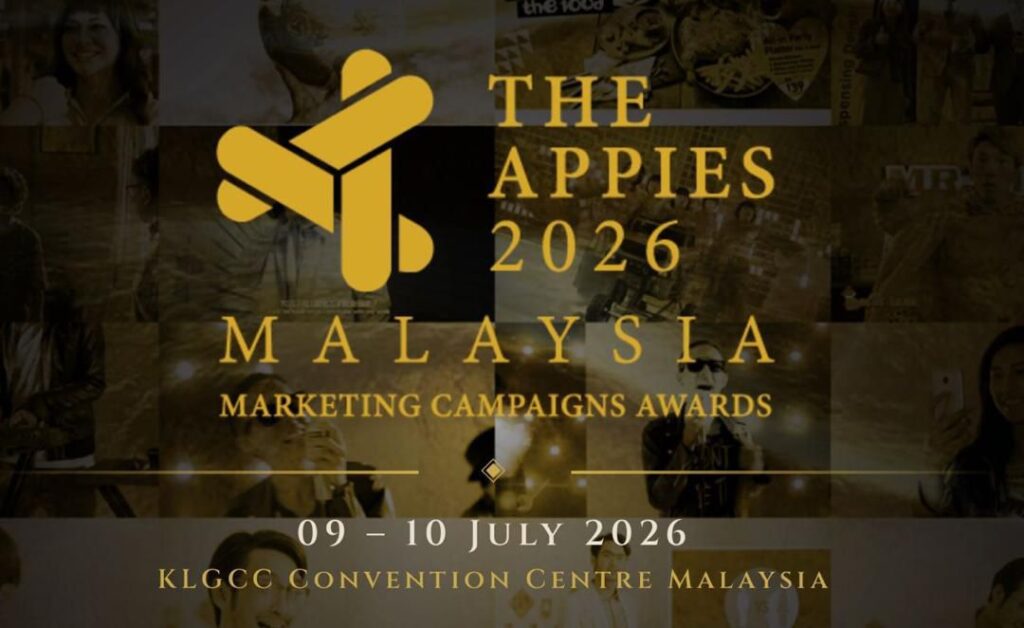
The APPIES is where Malaysia’s boldest campaigns, brightest ideas, and most impactful storytellers take the stage.
More than an awards show, it is the industry’s ultimate platform for creative, media, digital and marketing excellence, where live presentations meet live judging.
This is your chance to showcase work that moved audiences, shaped conversations, and delivered real results.
From breakthrough brand campaigns to innovative digital experiences, the APPIES celebrates the work that defines the future of marketing.
Step into the spotlight alongside the industry’s leading agencies, brands, creatives, strategists and changemakers.
Whether you are aiming for Gold, Silver, Bronze or the prestigious Best of the Best recognition, this is your moment to make history.
Your campaign deserves to be seen.
Your ideas deserve the stage.
Your work deserves the legacy.
KEY DATES
Haven’t subscribed to our Telegram channel yet? Don’t miss out on the hottest updates in marketing & advertising!