

By The Malketeer
In the race to innovate, don’t forget who holds the data, who writes the story, and who it ultimately serves.
In a move that signals both ambition and unease, the UK government has inked a headline-grabbing agreement with OpenAI, the company behind ChatGPT, to explore how artificial intelligence can increase productivity across key public services.
From education and justice to defence and civil service reform, this collaboration is pitched as a visionary leap toward modernising Britain’s bureaucracy.
But beneath the buzzwords and optimism lies a deeper set of questions—about ethics, sovereignty, and the true cost of innovation.
The Promise: Smart Services, Leaner Systems
At its core, the deal outlines a shared “statement of intent” rather than a binding contract.
It allows for potential access to government data by OpenAI, in exchange for deploying AI-powered tools across public systems.
The government hopes this could streamline processes, automate repetitive admin tasks, and allow skilled civil servants to focus on more complex, human-centric issues.
OpenAI CEO Sam Altman described the initiative as one that will “deliver prosperity for all.”
And UK Technology Secretary Peter Kyle doubled down on the narrative, saying, “AI will be fundamental in driving change and economic growth.”
Indeed, early examples already exist.
The government’s internal “Humphrey” tools—AI models designed to increase productivity in the civil service—are reportedly based on OpenAI’s models.
The agreement also includes plans to invest in new AI infrastructure, including data centres, and for OpenAI to expand its London office beyond its current 100-strong team.
The Pushback: Data Sovereignty and Democratic Oversight
Not everyone is impressed.
Critics are raising alarms about the opacity and implications of such a partnership.
Martha Dark, co-executive director of digital rights campaigners Foxglove, labelled the agreement “hopelessly vague” and accused the government of handing over “a treasure trove of public data” with potentially immense commercial value to OpenAI.
“Peter Kyle seems bizarrely determined to put the big tech fox in charge of the henhouse when it comes to UK sovereignty,” she said, in a scathing rebuke that captured the unease shared by privacy watchdogs and sceptics of Silicon Valley-style governance.
Dr Gordon Fletcher, associate dean for research and innovation at the University of Salford, also noted that while the idea of freeing up public servants for “one-in-a-million” challenges is attractive, the reality hinges on how transparently and ethically the data exchange and AI implementation are handled.
Marketing the Future or Outsourcing It?
For marketers and brand leaders watching this space, the UK-OpenAI agreement raises fundamental questions about the evolving relationship between government, technology, and public trust.
Is this a visionary model of how government and AI innovators can collaborate to shape smarter societies?
Or is it another chapter in the unchecked rise of Big Tech influence—an outsourcing of national infrastructure and decision-making to profit-driven foreign firms?
Already, some fear that the Labour government’s enthusiastic embrace of AI is outpacing the necessary regulatory frameworks, especially in areas like copyright, ethical data usage, and misinformation risks.
Musicians and artists have previously slammed the use of generative AI tools for exploiting creative works without consent.
And concerns persist over the accuracy and safety of large language models that can, and do, confidently produce falsehoods.
The Big Picture: AI’s New Battleground
This isn’t an isolated deal.
Earlier this year, similar AI partnerships were struck with Google and Anthropic, reflecting the UK’s desire to become a hub for global AI investment.
But as Professor Carissa Véliz of Oxford’s Institute for Ethics in AI often reminds us, “Just because you can build it doesn’t mean you should deploy it.”
For now, the UK’s political and tech leadership appears convinced that AI is not just an opportunity—it’s a necessity.
Whether that belief is vindicated or regretted will depend on how transparently, inclusively, and ethically the implementation unfolds.
What Marketers Can Take Away
The UK’s AI gamble with OpenAI is a bold play to modernise public services and reboot a sluggish economy.
But it also serves as a cautionary tale for marketers and leaders: in the race to innovate, don’t forget who holds the data, who writes the story—and who it ultimately serves.
Source:BBC
Share Post:

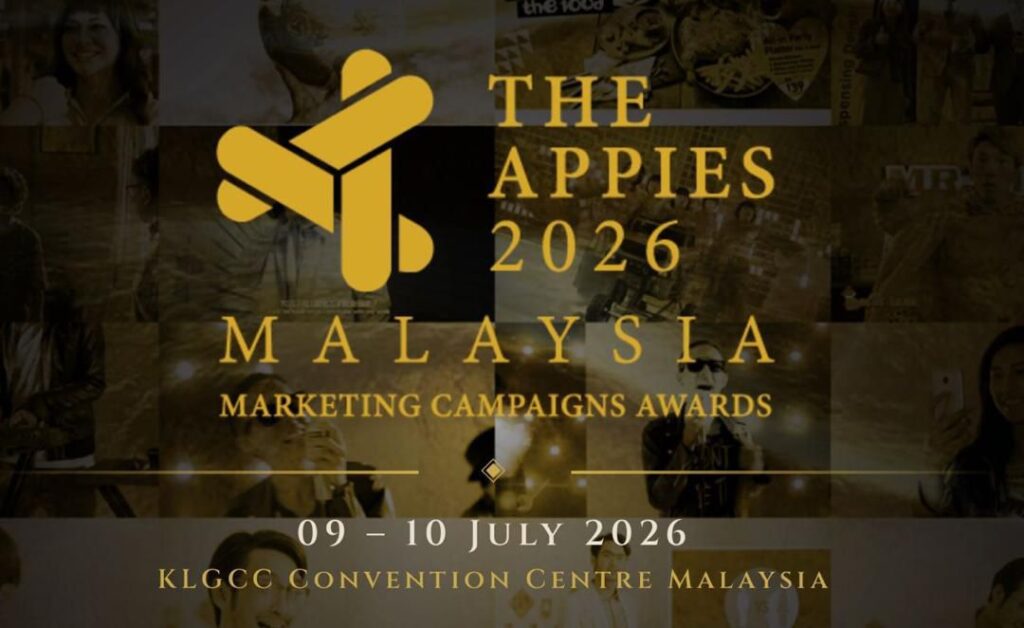
The APPIES is where Malaysia’s boldest campaigns, brightest ideas, and most impactful storytellers take the stage.
More than an awards show, it is the industry’s ultimate platform for creative, media, digital and marketing excellence, where live presentations meet live judging.
This is your chance to showcase work that moved audiences, shaped conversations, and delivered real results.
From breakthrough brand campaigns to innovative digital experiences, the APPIES celebrates the work that defines the future of marketing.
Step into the spotlight alongside the industry’s leading agencies, brands, creatives, strategists and changemakers.
Whether you are aiming for Gold, Silver, Bronze or the prestigious Best of the Best recognition, this is your moment to make history.
Your campaign deserves to be seen.
Your ideas deserve the stage.
Your work deserves the legacy.
KEY DATES
Haven’t subscribed to our Telegram channel yet? Don’t miss out on the hottest updates in marketing & advertising!


