There’s a line buried deep in a Reuters report that should make every marketer, regulator and CEO sit up straight: Meta reportedly made RM75.8 billion from scam ads in 2024.
Not from premium placements. Not from brand safety compliance.
But from scam ads — fake investment schemes, fraudulent online stores, illegal gambling and shady medical products.
Here’s the part that stings: Malaysians have been paying the price while Facebook continues operating here without a valid licence.
The House Always Wins — Especially When It Knows the Cards
According to leaked internal documents, Meta served 15 billion scam ads per day across Facebook, Instagram, and WhatsApp.
Instead of banning suspicious advertisers, Meta allegedly introduced something called “penalty bids” — charging scammers more to run ads if their systems detected potential fraud, but not at the 95% certainty level required for an outright ban.
Instead of stopping the problem, the system reportedly taxed it.
Less enforcement. More revenue.
A scalable business model — just not one people expected from the world’s largest social platform.
96% of Scam Reports Ignored or Rejected.
Meta’s safety staff reportedly logged 100,000 valid scam reports per week in 2023.
Close to 96% were ignored or rejected.
Internal memos allegedly show Meta put in place “revenue guardrails” — limits preventing enforcement action if it risked reducing revenue by more than 0.15%.
Trust and safety became a financial line item — not a mission.
Compliance Only Where Regulators Roar
The internal briefing reportedly reveals another uncomfortable truth: Meta prioritised scam enforcement in markets with regulatory bite, not moral obligation.
As for Singapore, full advertiser verification strictly enforced.
Madaniland’s Malaysia is still waiting.
Despite a law requiring platforms with more than eight million Malaysian users to obtain an ASP licence, Meta has reportedly operated unlicensed for almost a year.
TikTok, WeChat and Telegram are compliant.
Meta isn’t.
Yet Malaysians still scroll, still report scam ads, still get hurt.
A Local Perspective: Malaysia Paid Twice
Communications Minister Fahmi Fadzil quantified the cost: MCMC spent 22 years of cumulative manpower reporting Meta scam ads this year alone.
Meta earned an estimated RM2.5 billion in Malaysian ad revenue in 2023.
If the leaked numbers are accurate, RM250 million of that came from scam-related advertising.
Malaysia loses public trust, national resources and consumer safety — while Meta invoices advertisers and cashes revenue.
The Industry Question: What Does This Mean for Marketers?
This isn’t just a tech story. It’s a brand trust crisis.
When users can’t tell whether a Facebook ad is legitimate or a scam, every brand on the platform inherits the same suspicion.
A legitimate insurance campaign, an airline promotion, an e-commerce sale — all risk becoming collateral damage.
Brand safety isn’t a checkbox anymore. It’s a survival instinct.
What Could Change Next
Malaysia is mulling mandatory eKYC for users — but perhaps the more urgent mandate is for platforms to verify advertisers.
If Singapore can enforce it and Meta complies, Malaysia shouldn’t be treated as optional.
If conviction under the Communications and Multimedia Act carries RM500,000 fines, five-year sentences, and daily penalties, then the question becomes:
Will Malaysia enforce its own law — or continue outsourcing safety to its citizens?
The Real Headline Isn’t About Scams.
It’s about accountability.
Platforms like Meta built an economy fuelled by attention. Then they monetised what lived inside that attention — even when the content was harmful.
For years, platforms told governments, advertisers, and users, “We’re doing our best.”
Now we have internal documents suggesting they may have been doing something else entirely: Balancing harm against revenue.
In 2024, revenue reportedly won. The real test now isn’t whether Meta responds.
It’s whether Malaysia does.
Because if rogue advertising can generate RM75.8 billion in one year without meaningful consequence, the message to the industry is painfully clear:
Scams weren’t an accident — they were profitable.
Share Post:

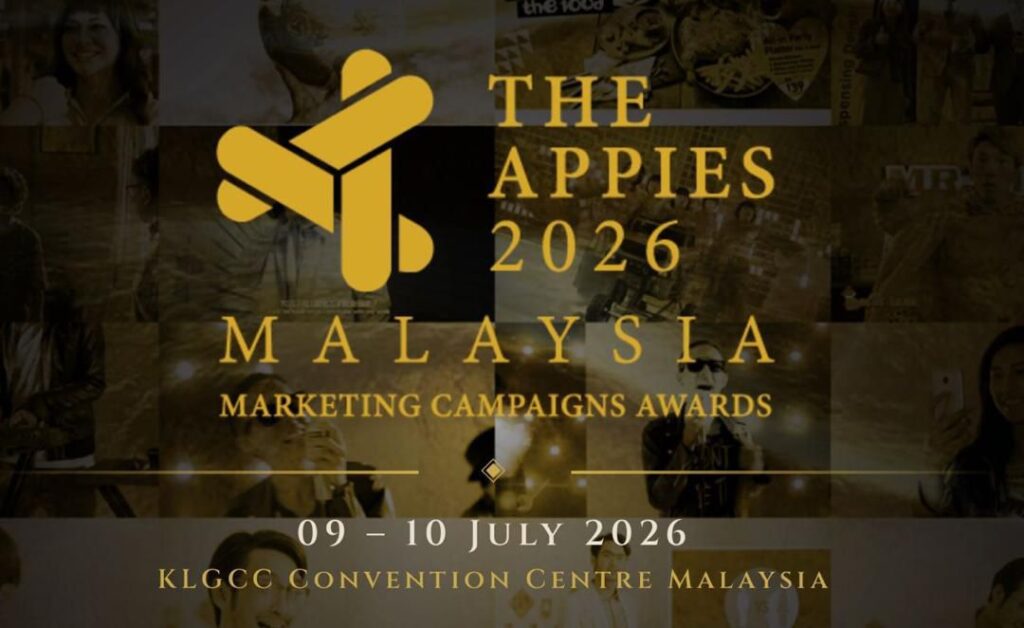
The APPIES is where Malaysia’s boldest campaigns, brightest ideas, and most impactful storytellers take the stage.
More than an awards show, it is the industry’s ultimate platform for creative, media, digital and marketing excellence, where live presentations meet live judging.
This is your chance to showcase work that moved audiences, shaped conversations, and delivered real results.
From breakthrough brand campaigns to innovative digital experiences, the APPIES celebrates the work that defines the future of marketing.
Step into the spotlight alongside the industry’s leading agencies, brands, creatives, strategists and changemakers.
Whether you are aiming for Gold, Silver, Bronze or the prestigious Best of the Best recognition, this is your moment to make history.
Your campaign deserves to be seen.
Your ideas deserve the stage.
Your work deserves the legacy.
KEY DATES
Haven’t subscribed to our Telegram channel yet? Don’t miss out on the hottest updates in marketing & advertising!