According to the newly released AI Index 2026 Annual Report by Stanford University, Malaysians are now among the world’s most optimistic users of AI, with adoption rates that would make even Silicon Valley pause mid-pitch deck.
The numbers are startling not because Malaysians are using AI, but because they appear to have skipped the fear stage entirely.
Nine out of ten Malaysians are already using AI at work, according to figures cited by Juwai IQI Holdings co-founder and CEO Kashif Ansari. That places Malaysia ahead of both the United States and China in workplace usage rates.
For marketers, agencies and brands still debating whether AI is “the future”, Malaysia may already be quietly living in the after.
The Malaysian AI Personality
What makes the findings fascinating is not simply the adoption curve. It is the emotional relationship Malaysians appear to have developed with the technology.
Globally, conversations around AI often drift towards anxiety. Job losses. Surveillance. Deepfakes. Machine-led everything.
In parts of Europe and North America, AI discourse can feel like a sci-fi dinner conversation where everyone expects the robot uprising before dessert. Malaysia’s response appears markedly different.
Around 76 per cent of Malaysians say they are excited about AI’s potential. Nearly 70 per cent believe AI-powered products and services offer more benefits than drawbacks.
More than half believe AI could improve their own jobs. That matters because optimism changes behaviour. People who fear technology resist it. People who trust it experiment with it.
They integrate it into daily routines. They talk to it casually. They stop treating it as technology and start treating it as infrastructure.
That shift is already visible in Malaysian life. University students are using AI tools as naturally as earlier generations used Google Search.
Small businesses are experimenting with AI-generated marketing copy. Teachers are cautiously adapting. Property firms are studying predictive analytics.
Even small traders are beginning to explore AI-assisted customer interactions. The speed of behavioural normalisation is the real story here.
Malaysia’s Quiet Advantage
Part of Malaysia’s AI confidence may come from something marketers rarely discuss enough: national temperament. Malaysia has long been culturally adaptive.
The country absorbed mobile commerce quickly, embraced digital wallets faster than many expected, and normalised social commerce long before some Western markets fully understood livestream selling culture.
Malaysians tend to experiment first and moral panic later.
That cultural openness now appears to be benefiting the country in the AI era. The government’s aggressive push into digital infrastructure has also helped create a sense of inevitability around AI adoption.
Data centre investments, semiconductor ambitions, cloud partnerships and digital economy blueprints have created a broader narrative that Malaysia intends to be part of the global AI economy rather than merely consume it from the sidelines.
That narrative influences public psychology. When citizens believe their country is participating in the future instead of chasing it, technology feels less threatening.
Interestingly, Malaysians also rank among the world’s highest in trusting government regulation around AI, trailing only Singapore and Indonesia in the Stanford findings.
For brands, that creates an unusually fertile environment.
Consumers may be far more willing to trial AI-powered services, personalised commerce experiences and automated customer interactions than marketers realise.
But Here’s the Catch
Optimism is not immunity. Malaysia’s enthusiasm for AI could easily become a vulnerability if brands mistake adoption for understanding.
Many consumers are using AI tools daily without fully grasping how their data is collected, trained or monetised. Students may rely on AI-generated answers without questioning accuracy.
Businesses may automate customer engagement without considering trust erosion. This is where marketers face an uncomfortable balancing act.
The temptation will be to flood every campaign, app and customer touchpoint with AI-powered features because the market appears receptive. But consumers eventually notice when AI becomes lazy theatre rather than meaningful utility.
Nobody wants an “AI-enhanced” banking app that still cannot resolve a basic complaint. Or a chatbot that sounds like a badly trained motivational speaker trapped inside a FAQ section.
The winners will likely be brands that use AI quietly and intelligently rather than noisily and desperately. The irony is that the most effective AI experiences may eventually become invisible.
The Property Ripple Effect
One of the more overlooked dimensions of the AI boom is how deeply it is beginning to reshape the physical economy. Juwai IQI estimates that data centre developers alone are investing billions annually into Malaysian land acquisition.
That means AI is no longer confined to laptops and cloud software. It is changing industrial parks, energy demand, logistics networks and housing ecosystems.
Entire townships may eventually evolve around AI infrastructure. The story, then, is no longer merely technological. It is economic, cultural and behavioural.
For the marketing industry, this changes audience assumptions dramatically. The average Malaysian consumer is no longer cautiously observing AI from a distance.
Increasingly, they are living with it, working with it and in some cases trusting it more than marketers themselves do. That should force agencies and brands to rethink how quickly the market is moving.
Because the real danger now may not be AI replacing marketers. It may be Malaysian consumers evolving faster than the brands trying to speak to them.
Share Post:

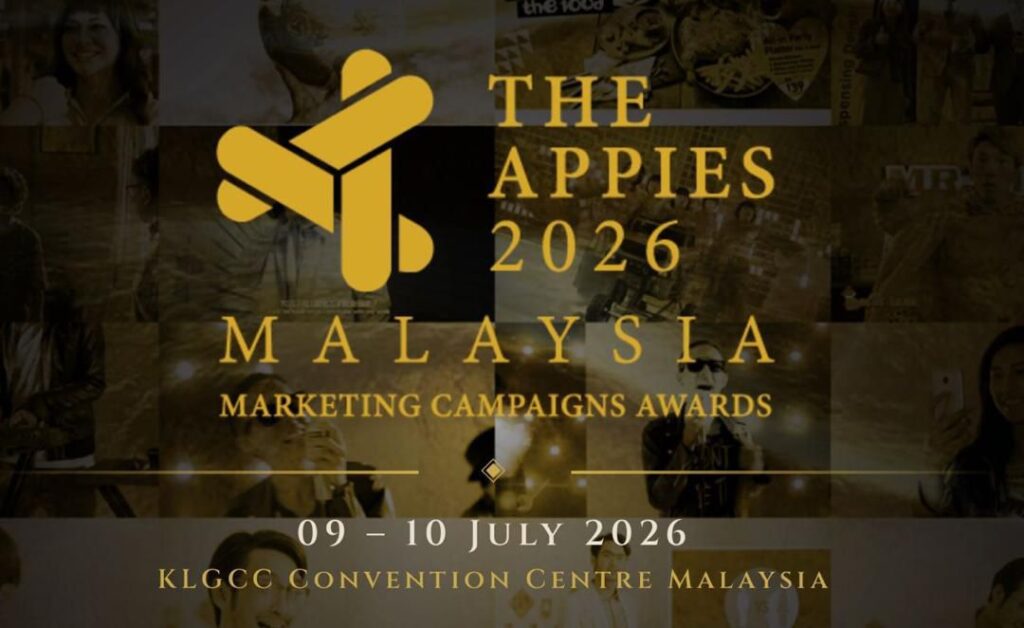
The APPIES is where Malaysia’s boldest campaigns, brightest ideas, and most impactful storytellers take the stage.
More than an awards show, it is the industry’s ultimate platform for creative, media, digital and marketing excellence, where live presentations meet live judging.
This is your chance to showcase work that moved audiences, shaped conversations, and delivered real results.
From breakthrough brand campaigns to innovative digital experiences, the APPIES celebrates the work that defines the future of marketing.
Step into the spotlight alongside the industry’s leading agencies, brands, creatives, strategists and changemakers.
Whether you are aiming for Gold, Silver, Bronze or the prestigious Best of the Best recognition, this is your moment to make history.
Your campaign deserves to be seen.
Your ideas deserve the stage.
Your work deserves the legacy.
KEY DATES
Haven’t subscribed to our Telegram channel yet? Don’t miss out on the hottest updates in marketing & advertising!