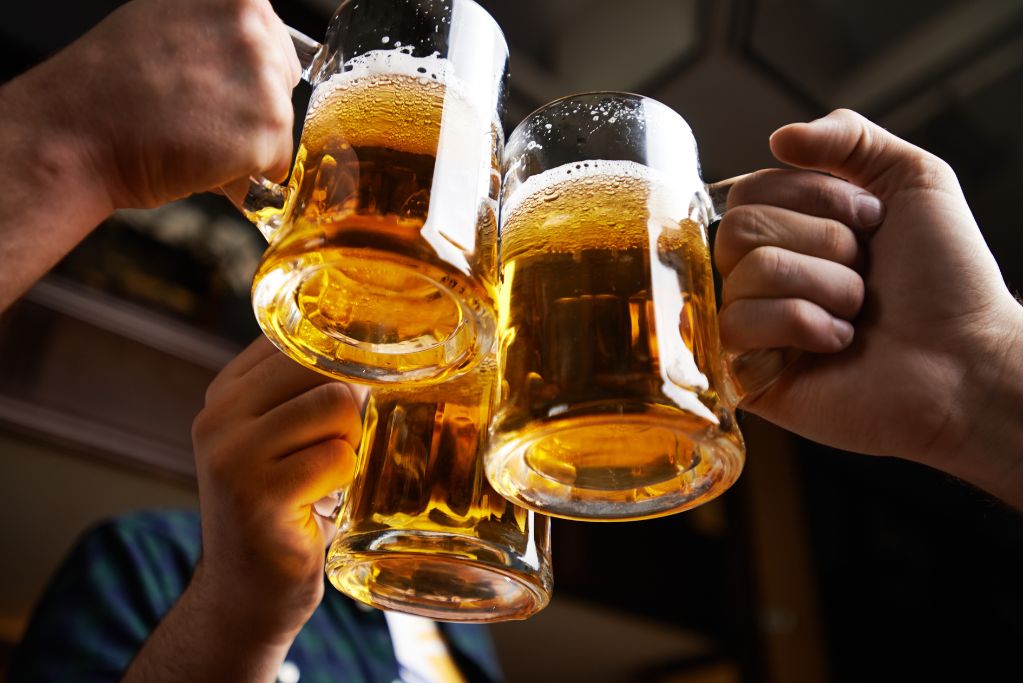
There are policy changes. And then there are marketing signals disguised as policy changes.
Thailand’s decision to temporarily lift its decades-old afternoon alcohol sales ban — a rule that puzzled tourists almost as much as currency exchange counters with no small notes — is more than a regulatory tweak.
It is a live experiment in national brand repositioning.
The message Bangkok is sending to the world is simple: “Come back. We’re open. Stay longer. Spend more.”
A Ban Tourists Never Understood
For years, travellers found themselves staring at bar fridges stocked but off-limits between 2pm and 5pm. The rule made sense in 1972: stop civil servants from sneaking out for a pint during office hours.
Fifty-three years later, the world has changed. Tourism has become Thailand’s lifeblood, a sector responsible for jobs, foreign exchange and the country’s cultural soft power.
But its brand promise — sun, sea, smiles — was always being undercut by a regulation that felt out of place in a country synonymous with nightlife, hospitality and “just one more drink”.
The frustration wasn’t just for tourists. It made marketers’ lives harder too. You can’t position yourself as Asia’s party capital when your bars hit pause in the middle of the day.
This Isn’t About Beer. It’s About Demand Creation.
The new six-month relaxation is a textbook example of how governments can behave like brands.
Rather than announcing an economic stimulus package wrapped in bureaucratic language, Thailand is doing something far more strategic: removing friction from the visitor journey.
Friction is the enemy of conversion. Every marketer knows this.
You don’t get people to spend more by telling them to; you remove the moments that interrupt the buying mood. Whether it’s an abandoned cart online or a bartender locked out of the till at 3pm, the principle is the same.
Allowing alcohol sales from 11am to midnight is a nudge that stretches spending windows, smoothens consumption patterns, and gives tourists more usable hours in the day.
It also quietly shifts Thailand’s positioning from “regulated fun” to “responsible freedom”.
A Timely Signal to a Multi-Billion Baht Market
The timing isn’t accidental. Christmas and New Year represent one of Southeast Asia’s peak travel cycles, when Western travellers escape winter and regional tourists chase year-end breaks.
In other words: The tills are warm, the flights are full, and the country wants every extra baht spent to stay in Thailand — not in Bali, Hanoi or Langkawi.
It’s a simple but potent marketing truth: sometimes you don’t need a bigger campaign, just a bigger window of opportunity.
Tourism as Recovery Strategy and Rebranding Tool
Prime Minister Anutin Charnvirakul’s administration has been clear: tourism must lead Thailand’s post-turbulence recovery.
Years of political instability and global disruptions dented confidence. The country needs a headline that resets the narrative.
Relaxing the afternoon ban is exactly that kind of headline.
It’s symbolic. It’s tangible. It feels modern.
And more importantly, it tells visitors: Thailand trusts you to enjoy yourself responsibly.
That shift — from paternalistic regulation to consumer-centric hospitality — is a brand repositioning many private companies struggle to execute, let alone governments.
What Brands in Malaysia Can Learn
This move offers a few sharp lessons for marketers closer to home:
1. Remove Friction, Don’t Add Wallpaper
Consumers don’t need another ad. They need fewer barriers. Value is often created by subtraction, not addition.
2. Time Your Signals to Behaviour
Thailand didn’t lift the ban during a low season. It did it when intent, travel, and spending were already peaking.
3. Policy Can Be Marketing
Governments, like brands, compete for attention. A small regulatory tweak can deliver more positive coverage than a RM50 million campaign.
4. Understand the Emotion Behind the Experience
Tourists weren’t asking for chaos. They were asking for consistency. The ban felt illogical to the tourist psyche — a mismatch between expectation and experience.
Marketing lives in these gaps.
The Real Shift: From Regulation to Reputation
Whether the trial becomes permanent remains to be seen. A committee will study the impact over the next 180 days. But the symbolism is already working in Thailand’s favour.
A country that once told tourists to wait three hours between beers is now signalling agility, openness and modernity.
In a hyper-competitive tourism market, that’s worth more than any ad buy.
And for a nation whose globally recognised beers are named Chang and Singha, perhaps the most surprising thing is this: Thailand didn’t just bring back happy hour. It brought back confidence.
Share Post:

The APPIES is where Malaysia’s boldest campaigns, brightest ideas, and most impactful storytellers take the stage.
More than an awards show, it is the industry’s ultimate platform for creative, media, digital and marketing excellence, where live presentations meet live judging.
This is your chance to showcase work that moved audiences, shaped conversations, and delivered real results.
From breakthrough brand campaigns to innovative digital experiences, the APPIES celebrates the work that defines the future of marketing.
Step into the spotlight alongside the industry’s leading agencies, brands, creatives, strategists and changemakers.
Whether you are aiming for Gold, Silver, Bronze or the prestigious Best of the Best recognition, this is your moment to make history.
Your campaign deserves to be seen.
Your ideas deserve the stage.
Your work deserves the legacy.
KEY DATES
Haven’t subscribed to our Telegram channel yet? Don’t miss out on the hottest updates in marketing & advertising!