For a media industry long defined by shrinking ad budgets, platform disruption, and restless audiences, Media Prima Bhd’s latest results land as a rare piece of good news — and a useful case study in how legacy media groups are recalibrating for relevance and resilience.
Malaysia’s largest integrated media group reported a 75% jump in profit after tax to RM10.4 million for the first half of FY26, up from RM5.9 million a year earlier.
Revenue for the six months ended 31 December 2025 stood at RM403.5million, with performance driven less by advertising recovery and more by disciplined cost management and diversified revenue streams.
In an era where “growth” in media is often code for layoffs or one-off gains, Media Prima’s numbers suggest something more structural is underway.
The Real Story: Non-Ad Revenue Is Doing the Heavy Lifting
The most telling metric in Media Prima’s 1HFY26 results is not profit, but non-advertising revenue, which grew 14% year-on-year.
Within that:
For marketers, this matters.
It signals a shift away from the historical overdependence on spot advertising — a vulnerability that has haunted broadcasters globally as brands redirect budgets to platforms, creators, and performance-led channels.
Content sales growth, in particular, points to premiumisation andexportability: intellectual property that can travel across platforms, borders, and formats.
It is also a reminder that, in a fragmented attention economy, ownablecontent remains one of the few defensible assets media companies have left.
Cost Discipline Meets Operational Reality
Media Prima’s 2QFY26 profit jumped 94% to RM8.8 million, despite quarterly revenue of RM204.6 million that remains modest by historical standards.
The lift came largely from lower operating expenses, underscoring a broader industry truth: efficiency, not scale, is the new advantage.
Group chairman Datuk Seri Dr.Syed Hussian Aljunid described the quarter as proof of resilience in a difficult operating environment, pointing to prudent governance, operational discipline, and strategic clarity as anchors during industry shifts.
Translated into marketing language, this is about knowing what not tochase — fewer vanity projects, tighter inventory control, and sharper commercial focus.
A Three-Year Strategy Nears Its Endgame
For group managing director Datuk Rafiq Razali, the results validate Media Prima’s three-year strategic roadmap, now entering its final stretch.
His emphasis on enhancing content quality and premiumising inventory is worth noting.
In a market flooded with low-cost impressions, premium environments — trusted, brand-safe, culturally resonant — are regaining value.
This is particularly relevant as advertisers grow more cautious about adjacency risks, misinformation, and brand safety on open platforms.
Media Prima’s play is not to out-tech the platforms, but to out-trust them.
Social Impact as Reputation Capital
Beyond financials, the group disbursed over RM550,000 through the Media Prima–NSTP Humanitarian Fund in 2QFY26, supporting medical aid, community development, and disaster relief.
While CSR figures rarely move markets, they do matter in an era where media brands are increasingly judged as institutions, not just content factories.
Trust, after all, is cumulative.
What This Means for Marketers
Media Prima’s results won’t magically reverse the structural decline of traditional advertising.
But they do offer a blueprint:
As Media Prima looks ahead to digital monetisation, premium inventory, and deeper audience relationships, its FY26 performance suggests the group is no longer trying to win yesterday’s media game — but quietly learning how to survive, and grow, in tomorrow’s one.
In a sector where survival itself has become a KPI, that may be the most meaningful metric of all.
Share Post:

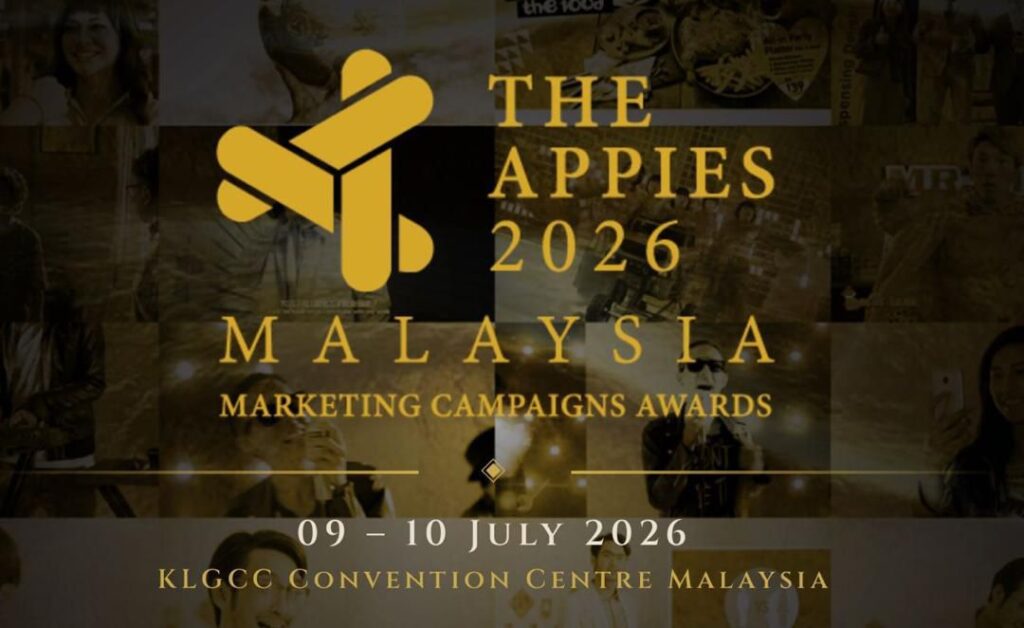
The APPIES is where Malaysia’s boldest campaigns, brightest ideas, and most impactful storytellers take the stage.
More than an awards show, it is the industry’s ultimate platform for creative, media, digital and marketing excellence, where live presentations meet live judging.
This is your chance to showcase work that moved audiences, shaped conversations, and delivered real results.
From breakthrough brand campaigns to innovative digital experiences, the APPIES celebrates the work that defines the future of marketing.
Step into the spotlight alongside the industry’s leading agencies, brands, creatives, strategists and changemakers.
Whether you are aiming for Gold, Silver, Bronze or the prestigious Best of the Best recognition, this is your moment to make history.
Your campaign deserves to be seen.
Your ideas deserve the stage.
Your work deserves the legacy.
KEY DATES
Haven’t subscribed to our Telegram channel yet? Don’t miss out on the hottest updates in marketing & advertising!