

What was meant to sell tumblers ended up costing a CEO his job.
In one of the most startling examples this year of marketing gone spectacularly wrong, Starbucks Korea has sacked its country head after a promotional campaign triggered public outrage by appearing to invoke one of South Korea’s darkest chapters in modern history.
The incident unfolded with startling speed. On Monday, Starbucks Korea launched a campaign promoting its “Tank” series of tumblers under the banner “Tank Day,” complete with the tagline: “Put it on the table with a sound of ‘Tak!’”
By evening, the campaign had been withdrawn. Within hours, the head of Starbucks Korea, Sohn Jeong-hyun, was out. The backlash was not about bad copywriting or poor timing in the conventional sense. It struck a far deeper nerve.
Monday happened to coincide with South Korea’s Democratisation Movement Day, commemorating the student-led Gwangju Uprising of May 1980, when military forces brutally cracked down on pro-democracy protesters.
Hundreds were killed or disappeared when troops and tanks were deployed against civilians.
For many South Koreans, the juxtaposition of “Tank Day” with a military anniversary was not merely insensitive. It felt grotesque.
The choice of the word “tak” only intensified the anger. Critics linked it to a notorious phrase associated with the death of student activist Park Jong-chul in 1987, when police infamously claimed he died after someone struck a desk, producing a “tak” sound.
The explanation later became symbolic of state brutality and deception.
Suddenly, what may have begun as an internal product naming exercise turned into a national controversy loaded with historical trauma.
South Korean President Lee Jae Myung publicly condemned the campaign, saying he was “enraged” and demanding an apology to families affected by the uprising.
He accused Starbucks Korea of tarnishing the memory of those who suffered during the protests. That condemnation mattered. But the real lesson for marketers sits elsewhere.
The Perils of Cultural Blindness
Marketers love to talk about “consumer insights,” but this episode is a brutal reminder that cultural memory matters just as much.
Some dates are not neutral. Some words are not harmless.
And in many societies, historical wounds do not fade neatly into textbooks.
It is tempting to imagine that a global brand with local operators, sophisticated approval systems and endless meetings could never miss something this obvious. Yet it happens more often than many care to admit.
The problem is rarely malicious intent. More often, it is institutional tunnel vision.
Inside boardrooms and marketing departments, campaigns are dissected through lenses of creativity, novelty, engagement and sales potential. But somewhere along the chain, the uncomfortable question sometimes goes unasked:
Could this accidentally hurt people? That absence can prove costly.
Local Sensitivity Is Not Optional
Ironically, Starbucks Korea is hardly a rookie operation. Managed by Shinsegae Group, one of South Korea’s largest retail conglomerates, the business knows the local market intimately.
Which makes the fallout even more revealing.
Global brands often speak proudly about “localisation,” but localisation cannot stop at flavours, festive cups or influencer partnerships. It requires understanding emotional fault lines, historical sensitivities and symbols that outsiders, or even younger internal teams, may overlook.
Malaysia knows this terrain well.
A misplaced festive message, religious misunderstanding or culturally tone-deaf campaign can spark instant backlash here too. In a country stitched together by memory, identity and nuance, marketers already operate with a kind of sixth sense around race, religion and cultural symbolism.
The Starbucks Korea episode suggests historical sensitivity deserves equal attention.
Speed Can Magnify Mistakes
There is another uncomfortable truth hidden beneath the controversy: campaigns now fail faster than ever.
A decade ago, a misjudged promotion might have simmered for days before newspapers caught on. Today, social media acts like a public alarm system. A single screenshot can travel faster than any apology.
By the time internal teams gather for crisis meetings, the internet has already held court. That appears to have happened here. The campaign barely had time to breathe before outrage engulfed it.
Shinsegae Group chairman Chung Yong-jin publicly apologised, bowing deeply and acknowledging that the campaign had caused pain to victims and families tied to the May 18 uprising.
Starbucks Korea followed with its own apology and swiftly removed the promotion.
Yet the speed of the leadership dismissal suggests the company understood something essential: this was not merely a marketing error. It was a reputational rupture.
The Quiet Question Every CMO Should Ask
Every marketer loves the thrill of launching something fresh.
But perhaps there is one deceptively simple question worth adding to every approval process: “What could this mean to someone else?”
Not in a legal sense. Not in a social media outrage sense. But in a deeply human sense.
Because consumers do not encounter campaigns as blank slates. They bring memories, grief, pride, politics and history with them.
Sometimes, all it takes is one word. One date. One unfortunate coincidence. And suddenly, a tumbler campaign becomes a national wound reopened.
For marketers everywhere, Starbucks Korea’s “Tank Day” fiasco is less about cancel culture and more about cultural literacy. Or put differently: before trying to make noise, make sure you understand what echoes it may awaken.
Share Post:
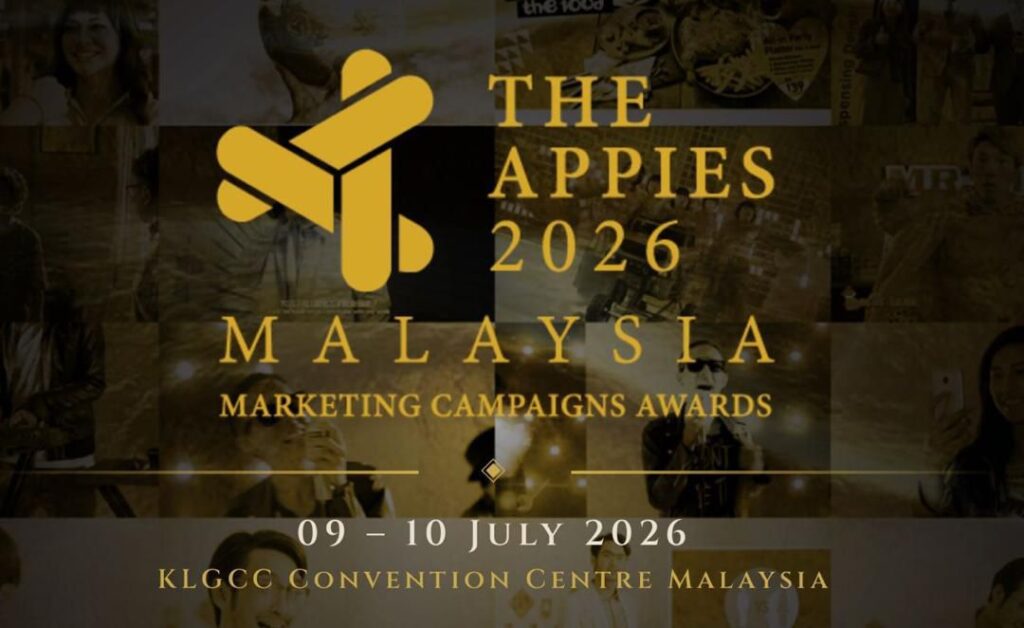
The APPIES is where Malaysia’s boldest campaigns, brightest ideas, and most impactful storytellers take the stage.
More than an awards show, it is the industry’s ultimate platform for creative, media, digital and marketing excellence, where live presentations meet live judging.
This is your chance to showcase work that moved audiences, shaped conversations, and delivered real results.
From breakthrough brand campaigns to innovative digital experiences, the APPIES celebrates the work that defines the future of marketing.
Step into the spotlight alongside the industry’s leading agencies, brands, creatives, strategists and changemakers.
Whether you are aiming for Gold, Silver, Bronze or the prestigious Best of the Best recognition, this is your moment to make history.
Your campaign deserves to be seen.
Your ideas deserve the stage.
Your work deserves the legacy.
KEY DATES
Haven’t subscribed to our Telegram channel yet? Don’t miss out on the hottest updates in marketing & advertising!


