

There was a time when the most dangerous thing a fashion brand did in Kuala Lumpur was throw an overenthusiastic warehouse sale.
Today, apparently, it involves flares, pickup trucks, electric scrambler motorcycles and a dash through one of Malaysia’s busiest tourist strips in the middle of the night.
The viral Bukit Bintang publicity stunt, which allegedly ended with nine individuals expected to be charged in court on 22 May, reads less like a marketing campaign and more like an audition tape for a low-budget action film that forgot to hire a legal department.
The stunt, reportedly organised to promote a clothing store’s sixth anniversary, saw participants riding in the back of a pickup truck along Jalan Sultan Ismail while igniting flares and weaving through traffic.
According to reports, some participants were allegedly paid between RM50 and RM700 to join in. Fifteen individuals were detained, including the store owner, staff and hired participants. Six are now expected to turn prosecution witnesses.
For marketers, this is not merely a crime story. It is a cautionary tale dressed in streetwear. Because somewhere between chasing virality and chasing common sense, a line appears to have been crossed.
The Dangerous Seduction of “Do It for the Content”
Marketing today suffers from a peculiar disease. Everyone wants attention, but fewer seem interested in earning it. The modern algorithm rewards spectacle. Outrage spreads faster than craft. Chaos often outperforms cleverness.
And somewhere in many marketing brainstorms sits an uncomfortable question nobody wants to say aloud:
“How far can we push this before somebody stops us?” The problem is that virality has become confused with effectiveness.
Yes, the Bukit Bintang stunt went viral. Millions probably saw it. Threads lit up. WhatsApp groups hummed. Social feeds erupted. But visibility alone is not victory.
Ask any seasoned marketer and they will tell you: attention without trust is merely noise. And noise has consequences.
Especially when your campaign allegedly invites police investigations under laws ranging from public nuisance and dangerous driving to explosives and communications offences.
That is not a campaign debrief. That is a legal briefing.
Bukit Bintang Is Not a Film Set
There is also something deeply unsettling about where this happened.
Bukit Bintang is not an abandoned industrial lot or a closed-off event venue. It is arguably Malaysia’s most visible urban postcard. A tourist magnet. A nightlife corridor. A space crowded with families, visitors, workers, Grab riders and ordinary Kuala Lumpur folk trying to get home.
The late-night theatrics may have looked dramatic on social media. In real life, they reportedly endangered public safety.
Dang Wangi police chief Sazalee Adam was right to highlight the risks, particularly in such a densely populated tourist area.
Because marketing has always had an unwritten social contract: surprise people, delight them, even provoke them if necessary, but never put them in harm’s way.
That line matters. And good marketers know exactly where it sits.
Stunt Marketing Can Work. Recklessness Never Does.
This is not to say brands should stop being bold. Far from it.
Some of the world’s most memorable campaigns have come from daring ideas. Think flash mobs before they became cringe. Unexpected public activations. Guerrilla marketing that made people stop, smile and share.
The difference? Consent. Safety. Planning.
A great stunt makes people say, “Wow, that was brilliant.” A bad stunt makes people ask, “Who approved this?”
And if your activation ends with seized vehicles, arrests and court appearances, chances are the creative execution took a wrong turn somewhere around Jalan Sultan Ismail.
The Bigger Question for Malaysian Brands
Perhaps the more uncomfortable truth is this: Malaysian youth culture increasingly prizes visibility above all else. For younger brands, particularly in fashion and streetwear, clout has become currency.
Being talked about feels more important than being respected. The logic goes something like this: create controversy first, worry about consequences later.
But brands should remember one thing. The internet has a very short attention span. Today’s viral hero becomes tomorrow’s forgotten cautionary tale.
Meanwhile, reputational scars linger much longer. Customers may admire rebellion. They rarely admire irresponsibility.
A Lesson Hidden Inside the Headlines
There is an old advertising truth often repeated in agency corridors: creativity thrives best within constraints.
The smartest campaigns are not the loudest ones. They are the ones clever enough to work within the rules while still making culture sit up and pay attention.
That requires imagination. Not flares.
As this case unfolds in court, marketers across Malaysia would do well to watch carefully.
Because the real story here is not about one clothing brand in Dengkil. It is about an industry increasingly tempted to mistake disruption for recklessness.
And perhaps asking itself a difficult question: In the race to go viral, have we forgotten the difference between being unforgettable and simply becoming evidence?
Share Post:


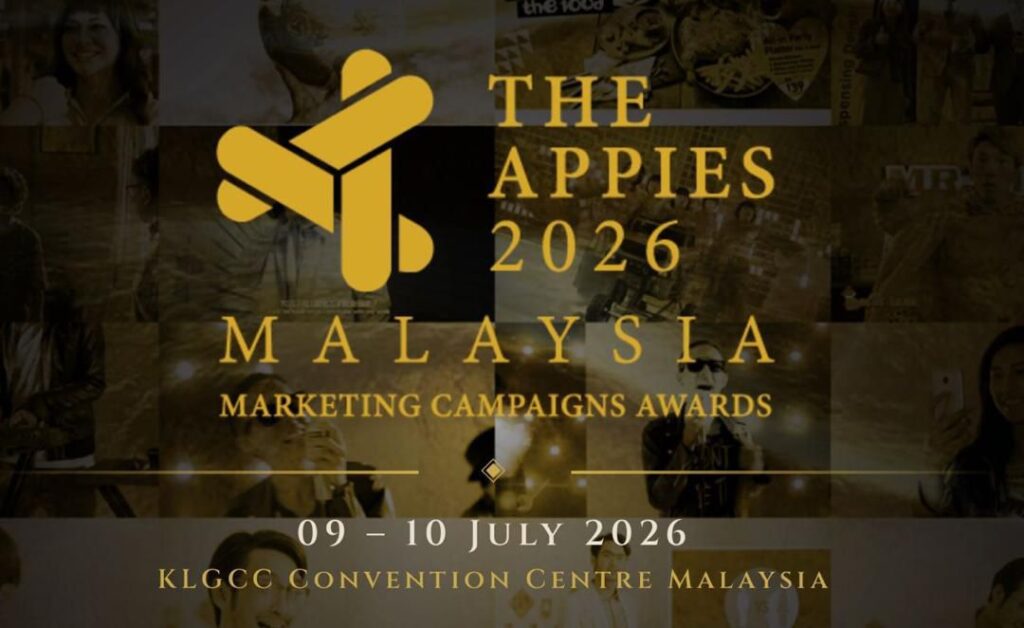
The APPIES is where Malaysia’s boldest campaigns, brightest ideas, and most impactful storytellers take the stage.
More than an awards show, it is the industry’s ultimate platform for creative, media, digital and marketing excellence, where live presentations meet live judging.
This is your chance to showcase work that moved audiences, shaped conversations, and delivered real results.
From breakthrough brand campaigns to innovative digital experiences, the APPIES celebrates the work that defines the future of marketing.
Step into the spotlight alongside the industry’s leading agencies, brands, creatives, strategists and changemakers.
Whether you are aiming for Gold, Silver, Bronze or the prestigious Best of the Best recognition, this is your moment to make history.
Your campaign deserves to be seen.
Your ideas deserve the stage.
Your work deserves the legacy.
KEY DATES
Haven’t subscribed to our Telegram channel yet? Don’t miss out on the hottest updates in marketing & advertising!


