Reuters reports that Indonesia has issued a stern warning to Meta Platforms Inc. over what regulators describe as inadequate action against disinformation, online gambling, and harmful content across its platforms.
The move marks one of the strongest signals yet from Southeast Asia’s largest digital market that governments are prepared to hold social media platforms more directly accountable for the content circulating on their networks.
According to Indonesia’s Ministry of Communications and Digital Affairs, Meta had acted on only 28.47% of flagged content related to online gambling and disinformation, prompting concerns over the platform’s compliance with national regulations governing harmful online content.
The warning followed an unscheduled visit by Communications and Digital Affairs Minister Meutya Hafid to Meta’s operational office in Jakarta earlier this week.
For marketers and digital platforms operating across Southeast Asia, the episode underscores a broader shift: governments in the region are moving from guidelines to enforcement.
A Regulatory Temperature Check
Indonesia’s ministry said Meta had been warned over its “low level of compliance” with regulations governing disinformation, defamation, hate speech and online gambling content across Facebook, Instagram, and WhatsApp.
“Disinformation, defamation, and hate content threaten lives in Indonesia, yet Meta has allowed them to persist,” Hafid said in a statement released by the ministry.
The government has urged Meta to strengthen its moderation systems and accelerate the removal of illegal or harmful material circulating on its platforms.
Meta had not issued an immediate response at the time of writing.
But the warning did not emerge in isolation. Indonesia had already summoned representatives from major social media platforms last year to address concerns about the spread of harmful content online.
The message now appears to be escalating — compliance expectations are no longer optional.
Southeast Asia’s Digital Battleground
Indonesia is not just another market for Meta.
With over 270 million people and one of the world’s most active social media populations, the country represents a crucial growth engine for digital platforms and the advertisers who rely on them.
For brands, Meta’s ecosystem remains central to digital marketing strategies across Southeast Asia — from influencer campaigns on Instagram to performance advertising on Facebook and customer engagement via WhatsApp.
But the government’s warning illustrates the increasing complexity of operating in digital environments where regulatory scrutiny is intensifying.
Across the region, governments are becoming more assertive about platform accountability:
What was once a relatively open digital frontier is rapidly evolving into a regulated ecosystem.
What This Means for Brands
For marketers, the implications go beyond Meta’s compliance challenges.
If regulators push platforms to remove content more aggressively, it could alter how advertising environments are managed — from brand safety policies to content moderation algorithms.
Platforms may respond by tightening automated moderation systems, increasing scrutiny of paid promotions, or introducing stricter content standards for advertisers and creators.
That could reshape how brands approach social media storytelling in markets like Indonesia, where cultural sensitivities, political narratives and misinformation concerns intersect with marketing campaigns.
In practice, this means marketers may need to think more carefully about context, messaging and platform risk.
The Bigger Platform Reckoning
Indonesia’s warning also highlights a global issue facing tech companies: the tension between scale and responsibility.
With billions of posts flowing through platforms daily, moderation systems rely heavily on automation, artificial intelligence, and user reporting.
But governments increasingly expect platforms to demonstrate proactive oversight, not reactive moderation.
For Meta, which has faced similar scrutiny in markets from Europe to Australia, Indonesia’s intervention adds another regulatory front in an already complex global landscape.
For Southeast Asia’s marketing industry, the message is clear.
Social media may still be the region’s most powerful advertising engine — but the rules governing it are changing fast.
Share Post:

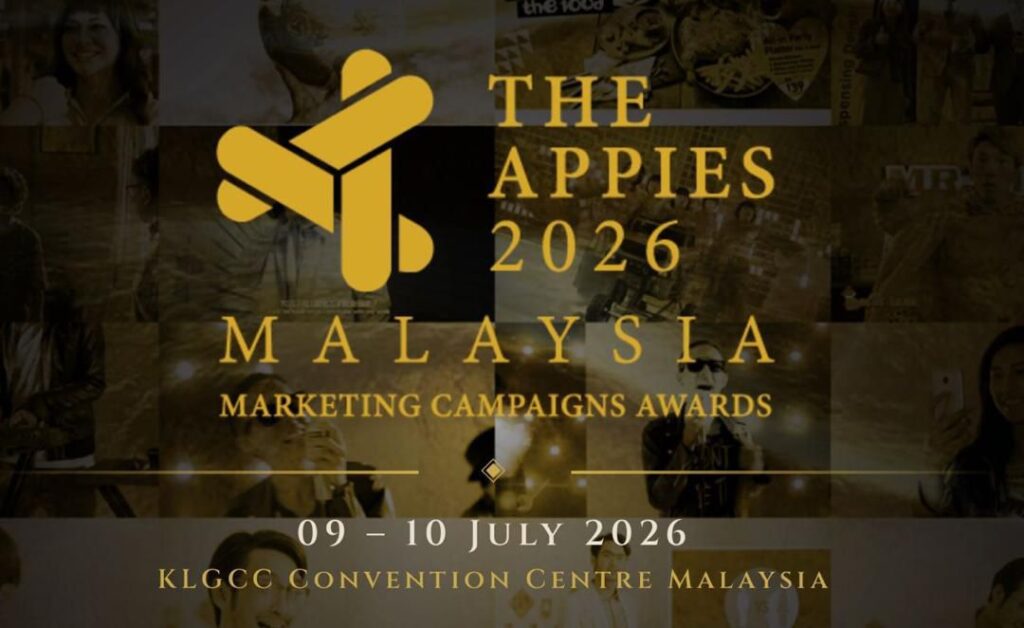
The APPIES is where Malaysia’s boldest campaigns, brightest ideas, and most impactful storytellers take the stage.
More than an awards show, it is the industry’s ultimate platform for creative, media, digital and marketing excellence, where live presentations meet live judging.
This is your chance to showcase work that moved audiences, shaped conversations, and delivered real results.
From breakthrough brand campaigns to innovative digital experiences, the APPIES celebrates the work that defines the future of marketing.
Step into the spotlight alongside the industry’s leading agencies, brands, creatives, strategists and changemakers.
Whether you are aiming for Gold, Silver, Bronze or the prestigious Best of the Best recognition, this is your moment to make history.
Your campaign deserves to be seen.
Your ideas deserve the stage.
Your work deserves the legacy.
KEY DATES
Haven’t subscribed to our Telegram channel yet? Don’t miss out on the hottest updates in marketing & advertising!