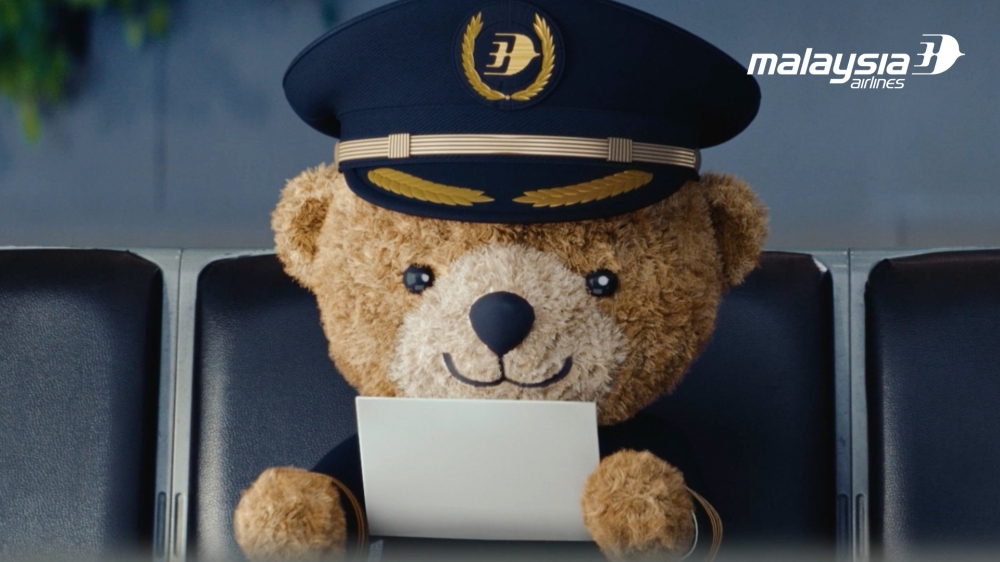
Airlines spend millions trying to engineer “brand love.”
Loyalty programmes. Cabin upgrades. Endless advertising promising comfort at 35,000 feet.
But occasionally, the most powerful brand story arrives not from a marketing department but from a child with a crayon.
That is the unlikely origin of “Pilot Parker: A Story of Malaysian Hospitality,” Malaysia Airlines’ latest campaign — an 80-second film built around a simple, genuine moment.
A young passenger sending the airline a hand-drawn illustration of its mascot, Pilot Parker, along with a letter explaining how the character made her feel safe during a flight.
No focus groups. No marketing jargons. Just a small gesture of gratitude.
And that small gesture has now become the centrepiece of a new storytelling push by Malaysia Airlines.
Because sometimes the most persuasive advertising isn’t something you invent.
It’s something you notice.
The Power of a Small Moment
Watch the film and you will notice something immediately.
It isn’t loud. It doesn’t shout. It doesn’t try too hard.
Instead, the story unfolds through the eyes of Pilot Parker, the airline’s plush mascot, quietly observing the human moments that happen on board.
A reassuring smile from cabin crew, a small interaction with a young passenger, the subtle choreography of hospitality that passengers rarely notice consciously — but always remember.
It’s a clever narrative device.
But more importantly, it’s a truthful one.
Because aviation, at its best, isn’t about aircraft.
It’s about people.
And that is precisely the territory Malaysia Airlines has chosen to reclaim.
Malaysian Hospitality, Reframed
For decades, the airline has anchored its brand around a phrase that has become almost institutional: “Malaysian Hospitality.”
It is one of those brand ideas that can either feel deeply authentic — or dangerously overused.
The difference lies in whether it is merely stated, or genuinely demonstrated.
In this campaign, Malaysia Airlines wisely chooses the latter.
Instead of grand declarations, the film focuses on micro-moments — the kind that families remember long after a trip is over.
Children receiving activity packs. Crew members kneeling to speak gently with a nervous passenger. Meals prepared with young travellers in mind.
None of this is spectacular.
Which is precisely why it works.
Because authenticity rarely arrives with a drumroll.
A Smart Brand Move in a Competitive Sky
Behind the emotional storytelling lies a clear strategic intent.
The Malaysia Aviation Group (MAG) is sharpening the airline’s positioning as a premium, family-friendly carrier for international travellers at a time when global aviation competition has never been more intense.
Low-cost carriers dominate price.
Middle Eastern airlines dominate luxury.
Asian carriers increasingly compete on service precision.
For Malaysia Airlines, the winning ground is something slightly different: warmth.
Not scripted politeness.
But genuine human care.
And children — perhaps the most honest judges of all — are the perfect ambassadors for that idea.
Mascots Still Matter
There is also a subtle branding lesson here.
In an era where many brands chase algorithmic relevance, Malaysia Airlines has doubled down on something wonderfully old-fashioned: a mascot.
Pilot Parker, the airline’s soft-toy aviator, may appear simple.
But mascots have a peculiar power.
They make brands approachable. They make corporations feel human.
More importantly, they travel well across cultures — particularly with families.
In this case, the mascot became the bridge between a young passenger and an airline brand.
And now, that bridge has become a story shared with the world.
Marketing That Listens
Perhaps the most refreshing part of the campaign is this: it started with listening.
A child wrote a letter.
Someone at Malaysia Airlines read it.
Instead of sending a polite reply and moving on, they asked a bigger question:
What if this small moment represents something larger about who we are?
That question is the difference between ordinary customer service and meaningful brand building.
Because brands are no longer built only through campaigns.
They are built through moments that customers decide to remember.
The Kindness Economy
There is also a broader cultural truth at play.
In an age of travel delays, automation and transactional customer service, kindness has become a competitive advantage.
A warm interaction. A reassuring smile. A moment of patience with a child.
These things cannot be automated. They cannot be replicated by AI.
But they can be remembered — sometimes for years.
And occasionally, they return in the form of a drawing.
When Marketing Feels Human Again
The most effective advertising often feels less like advertising and more like a story you’re glad someone told.
That is the quiet success of Pilot Parker.
It reminds travellers that Malaysian Hospitality isn’t just a slogan printed in a brand guideline.
It lives in small gestures.
A smile. A wave. A plush mascot handed to a nervous child.
Sometimes, if you’re lucky, those gestures come back to you in crayon.
For Malaysia Airlines, that crayon drawing has become something rather valuable.
Not just a campaign.
But proof that someone, somewhere, felt the brand.
And decided to draw it.
Share Post:

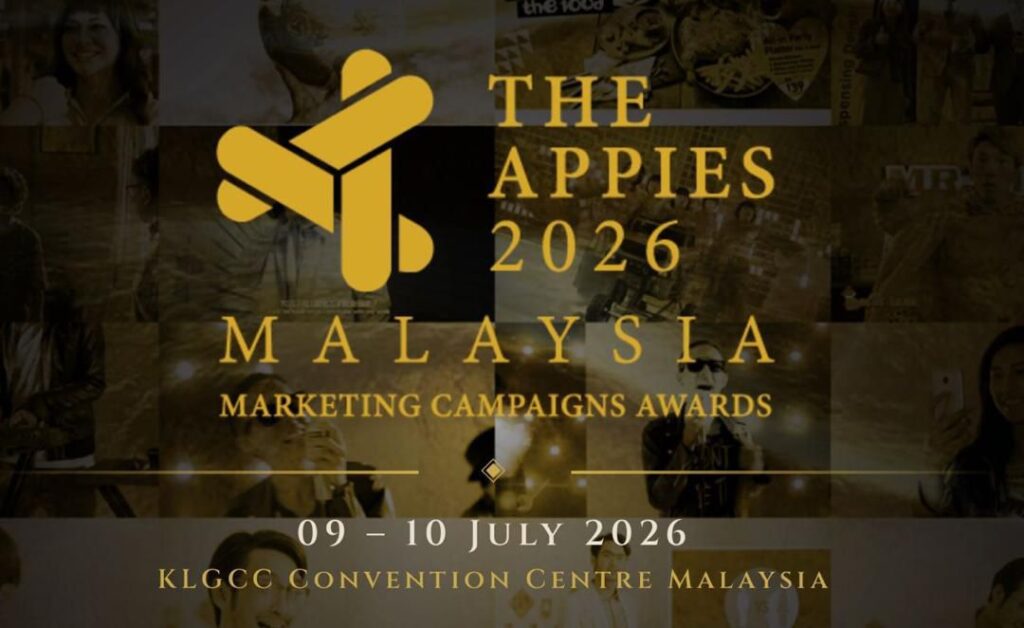
The APPIES is where Malaysia’s boldest campaigns, brightest ideas, and most impactful storytellers take the stage.
More than an awards show, it is the industry’s ultimate platform for creative, media, digital and marketing excellence, where live presentations meet live judging.
This is your chance to showcase work that moved audiences, shaped conversations, and delivered real results.
From breakthrough brand campaigns to innovative digital experiences, the APPIES celebrates the work that defines the future of marketing.
Step into the spotlight alongside the industry’s leading agencies, brands, creatives, strategists and changemakers.
Whether you are aiming for Gold, Silver, Bronze or the prestigious Best of the Best recognition, this is your moment to make history.
Your campaign deserves to be seen.
Your ideas deserve the stage.
Your work deserves the legacy.
KEY DATES
Haven’t subscribed to our Telegram channel yet? Don’t miss out on the hottest updates in marketing & advertising!