If you can’t beat the scroll, you might as well hijack it. That, in essence, is the thinking behind The Brain Un-Rot Library, a new campaign by Grey Malaysia, part of Ogilvy Group Malaysia, in collaboration with BookXcess.
It’s a campaign that doesn’t pretend TikTok is the enemy. Instead, it borrows its playbook, sharpens it, and quietly redirects it.
At first glance, it looks like content Gen Z already consumes fast cuts, irreverent language, chaotic humour. Stay a little longer, and something shifts. The sentences stretch. The ideas deepen. The joke becomes a story. The scroll becomes a pause. And that’s the point.
Turning the Algorithm Inside Out
The premise is deceptively simple. Take 100 well-known titles from Animal Farm and 1984 to The Hunger Games and retell them in a way that feels native to TikTok.
Then, gradually, almost imperceptibly, increase narrative depth and length. What starts as a 30-second hook becomes a longer read. What feels like another distraction becomes a doorway back to books.
The strategy is less about shouting “read more” and more about quietly rewiring behaviour. “For the other writers and me, this was the most fun copywriting assignment we have had in years. Imagine Frankenstein explained as ‘they told me to make new friends, now my bedroom is like Ikea for body parts.’
Instead of just telling the world they need to read more, we’re Trojan-horsing brain rot and using it against itself replacing meaningless Reddit reads with retellings of the world’s best stories in a Gen-Z tone of voice that hooks people with sensational cliffhangers.
We keep them focused, gradually build the text, and provoke people off the screen and onto a page,” said Graham Drew, Chief Creative Officer, Ogilvy Group Malaysia.
There’s a certain elegance in that approach. It doesn’t moralise. It doesn’t resist the platform. It simply outplays it.
From Scroll to Shelf
What makes the campaign more than just a clever content idea is its physical extension. It launched at The Library by BookXcess at Sunway University, and will expand into “Brain Un-Rot Islands” across BookXcess stores nationwide.
These are not just retail displays. They are designed as interruptions, spaces where the digital loop ends and the tactile experience begins. It’s a deliberate bridge between online behaviour and offline action, something many campaigns promise but rarely execute with intent.
Jacqueline Ng, Co-Founder and Executive Director of BookXcess, frames it in more human terms:
“One thing that really concerns me is the impact that shrinking attention spans are having on youth today. Attention and mental health are closely connected, and it’s quite concerning to see how easily the younger generation loses focus after just a short while, even when they are genuinely interested in something.
You can’t help but think about how this might affect them in their education and in their daily lives. That’s why the Brain Un-Rot Library is important to us, it’s our way of trying to support young readers and help them slowly build back the ability to focus and enjoy reading again.”
There’s no hard sell here. Just a recognition that attention itself has become fragile.
A Problem Marketers Can’t Ignore
The backdrop to this campaign is well documented. Average attention spans on digital devices have dropped from 2.5 minutes in 2004 to just 47 seconds in 2024.
That statistic doesn’t just concern educators or parents. It should worry anyone in marketing. Because attention is the currency. If that currency is shrinking, every brand, every agency, every platform is operating in a deficit economy.
What Grey Malaysia and BookXcess have done is not just create a campaign. They’ve created a prototype for what engagement might look like in this new reality.
Not shorter for the sake of shorter. But shorter as an entry point to something longer.
The Trojan Horse That Might Just Work
There’s a quiet confidence in the idea. It doesn’t try to out-entertain TikTok. It uses TikTok’s own grammar and then bends it.
Call it a Trojan horse if you like. But unlike most Trojan horses in advertising, this one isn’t hiding a brand message. It’s carrying something more old-fashioned: stories that require time.
Perhaps that’s what makes it interesting. In a market obsessed with capturing attention, this campaign is trying to rebuild it. Not by asking politely, but by sneaking in through the feed.
Share Post:
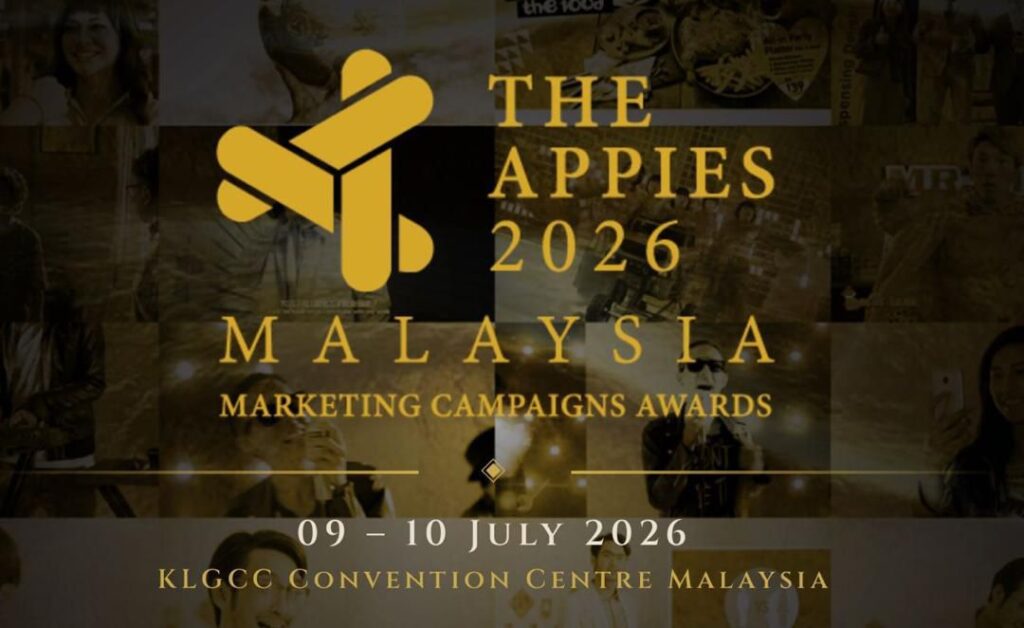
The APPIES is where Malaysia’s boldest campaigns, brightest ideas, and most impactful storytellers take the stage.
More than an awards show, it is the industry’s ultimate platform for creative, media, digital and marketing excellence, where live presentations meet live judging.
This is your chance to showcase work that moved audiences, shaped conversations, and delivered real results.
From breakthrough brand campaigns to innovative digital experiences, the APPIES celebrates the work that defines the future of marketing.
Step into the spotlight alongside the industry’s leading agencies, brands, creatives, strategists and changemakers.
Whether you are aiming for Gold, Silver, Bronze or the prestigious Best of the Best recognition, this is your moment to make history.
Your campaign deserves to be seen.
Your ideas deserve the stage.
Your work deserves the legacy.
KEY DATES
Haven’t subscribed to our Telegram channel yet? Don’t miss out on the hottest updates in marketing & advertising!