A new consumer study by GrowthOps reveals a market that is unusually alert and increasingly cautious as geopolitical tensions involving Iran threaten to spill into everyday costs.
What stands out is not just awareness but interpretation. This is no longer a petrol price surge concern but an escalating cost-of-living story. According to the study, a significant 93.6% of respondents have been following news about the conflict very closely.
That level of attention is rare outside of domestic crises and it signals something deeper. Malaysians are rapidly connecting distant events to local consequences.
More than half (56.8%) of the respondents believe fuel prices in Malaysia will likely rise if the conflict continues. Another 35.6% think prices may hold but only because government subsidies will have to stretch further.
That nuance matters as it reflects a consumer base that understands how Malaysia’s fuel pricing works from the Automatic Pricing Mechanism to targeted support schemes like BUDI95 and recognises that stability often comes at a fiscal cost.
In other words, even “stable” prices don’t feel entirely safe in the current situation.
The Domino Effect Mindset
If there is one defining insight from the study, it signifies that Malaysians are thinking in chains, not silos. In open-ended responses, consumers consistently linked fuel prices to broader inflationary pressure including transport, groceries, logistics, and daily essentials.
One respondent captured it bluntly, noting concern that higher petrol prices would affect “almost everything we do from purchasing groceries to even driving to work.”
Another described fuel as the first domino that would “give the domino effect to our living cost.” This is systems thinking at the consumer level which is a recognition that energy costs ripple across the entire economy.
For marketers, this is a shift worth noting. Consumers are no longer reacting to isolated price hikes, and are anticipating the cascading effects.
That anticipation is already shaping intent. Only 8.8% of respondents say higher fuel prices would not significantly change their spending or travel habits.
The rest are preparing to adjust by tightening budgets, cutting discretionary spending, and rethinking mobility. The most immediate shift is movement itself.
Some 46.0% say they would drive less or make fewer trips if fuel prices rise. That has implications far beyond petrol stations from retail footfall and F&B traffic to mall visits and impulse purchases. When consumers move less, they will spend differently.
The Psychology of Pre-Emption
“The Malaysian consumer is not waiting for a perfect economic signal. They are already mentally preparing,” said Chris Greenough, General Manager of GrowthOps Malaysia.
“What we are seeing is a consumer who understands fuel price pressure as a wider household issue. This is no longer just about what happens at the pump. It is about how people expect global instability to affect everyday living.” The phrase “mentally preparing” is doing a lot of work. Because this is not yet a full-blown economic shock.
It is pre-emptive caution. The kind that quietly reshapes behaviour before any official price adjustment kicks in. Consumers are not panicking. Instead, they are planning.
What This Means for Brands
For Malaysian businesses, the signal is clear and slightly uncomfortable. This is a consumer who is more informed, more sensitive to value, and more willing to trade down or delay.
Crucially, more aware of how external shocks translate into personal cost. In practical terms, that means fewer indulgences, more scrutiny, and a sharper eye on perceived value.
Brands that rely on impulse, convenience, or frequency may feel the first squeeze. Brands that demonstrate price fairness, tangible value, and empathy for real household pressures tend to hold ground and grow.
Interestingly, when consumers start thinking in dominoes, they also start choosing more carefully. The GrowthOps study, based on 250 Malaysian petrol buyers surveyed in March 2026, lands at a moment when global markets are closely watching Middle East tensions and their impact on oil supply routes.
Share Post:


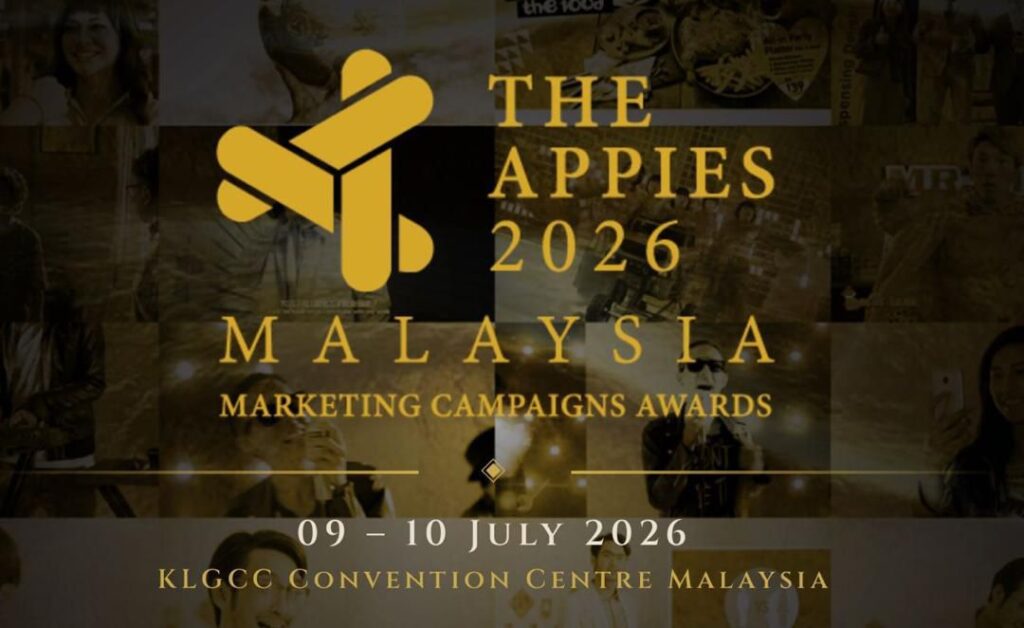
The APPIES is where Malaysia’s boldest campaigns, brightest ideas, and most impactful storytellers take the stage.
More than an awards show, it is the industry’s ultimate platform for creative, media, digital and marketing excellence, where live presentations meet live judging.
This is your chance to showcase work that moved audiences, shaped conversations, and delivered real results.
From breakthrough brand campaigns to innovative digital experiences, the APPIES celebrates the work that defines the future of marketing.
Step into the spotlight alongside the industry’s leading agencies, brands, creatives, strategists and changemakers.
Whether you are aiming for Gold, Silver, Bronze or the prestigious Best of the Best recognition, this is your moment to make history.
Your campaign deserves to be seen.
Your ideas deserve the stage.
Your work deserves the legacy.
KEY DATES
Haven’t subscribed to our Telegram channel yet? Don’t miss out on the hottest updates in marketing & advertising!