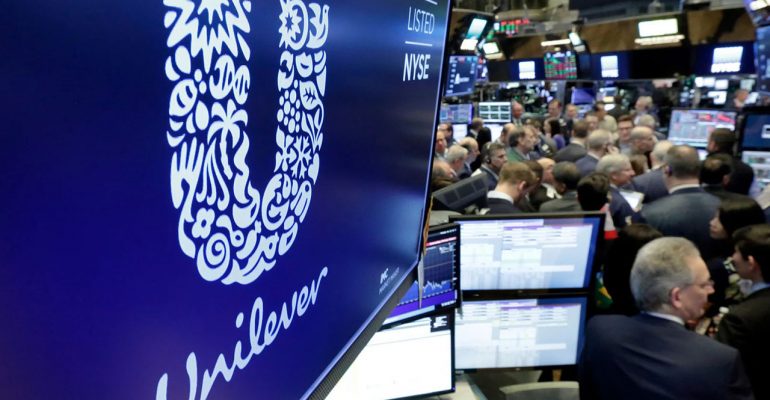
When a company the size of Unilever presses the freeze button, the ripple is rarely contained to its own corridors.
The Dove and Lifebuoy maker has imposed a global hiring freeze “at all levels” for at least three months, citing mounting geopolitical pressures tied to the escalating conflict in the Middle East, according to a Reuters report.
It is a move that reads less like an internal HR decision and more like a macroeconomic signal to the entire marketing and consumer goods ecosystem.
Because when a company built on selling everyday essentials tightens its belt, it suggests the problem isn’t demand. It’s the cost of keeping the machine running.
The Real Cost Behind the Decision
On paper, Unilever’s business model is robust. It manufactures largely where it sells, reducing exposure to cross-border logistics shocks. But the reality is more layered.
Behind every bar of soap or sachet of shampoo sits an intricate supply chain powered by energy-intensive inputs—chemicals, packaging materials, food ingredients. That’s precisely where the current crisis bites.
The ongoing conflict has triggered one of the worst disruptions in oil and gas supply in recent history. Energy prices have surged. Production costs—from plastics to processed inputs—are climbing. And suddenly, margins that once looked predictable are anything but. For marketers, this is the part often overlooked. Brand storytelling may win hearts, but cost structures decide survival.
A Freeze That Was Already Coming
The hiring freeze doesn’t exist in isolation. It sits atop a broader restructuring already underway.
Since 2024, Unilever has been pursuing a €800 million cost-saving programme, with around 7,500 roles expected to be impacted globally. Its workforce has already shrunk significantly—from roughly 149,000 in 2020 to about 96,000 today.
In that context, the current pause is less a knee-jerk reaction and more an acceleration of an existing discipline: leaner operations, tighter controls, sharper focus. Perhaps, a quiet admission that the old growth playbook is under pressure.
What This Means for Marketing Teams
For the marketing fraternity, this is where the story gets interesting.
A hiring freeze doesn’t just affect HR pipelines. It reshapes how brands operate:
But here’s the paradox. Historically, downturns have rewarded brands that maintain visibility while competitors go quiet. The challenge now is balancing prudence with presence.
The Bigger Industry Signal
Unilever is not alone. From airlines to retail players, global businesses are bracing for volatility. But Unilever matters because of what it represents: scale, stability, and a portfolio of everyday brands embedded in daily life.
When such a company signals caution, it often foreshadows broader industry behaviour:
Its ongoing talks to reshape its foods business—potentially involving McCormick & Company—only reinforces this trajectory. Simplify. Focus. Protect margins.
A Moment of Strategic Reset
For Malaysian marketers and agencies, the lesson is not alarm—but awareness. Global shocks rarely stay global. They filter down into local budgets, campaign scopes, and client expectations. The question is not whether spending will tighten. It’s how intelligently brands respond.
Do they retreat into safe, predictable messaging? Or do they double down on relevance, creativity, and cultural connection—finding smarter, not necessarily bigger, ways to engage?
The Quiet Reality
A hiring freeze sounds temporary. Three months, perhaps longer. But decisions like this often reveal something deeper: a shift in mindset. From expansion to optimisation. From growth-at-all-costs to growth-with-discipline.
For an industry that thrives on momentum, that’s a signal worth paying attention to. Because sometimes, the loudest move a global brand can make… is to stop.
Share Post:

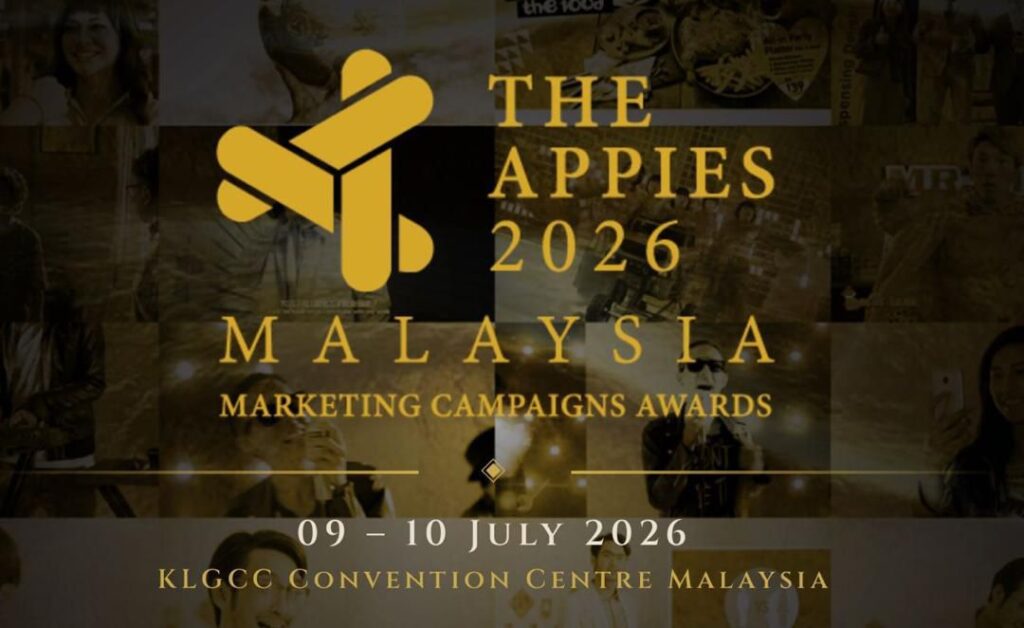
The APPIES is where Malaysia’s boldest campaigns, brightest ideas, and most impactful storytellers take the stage.
More than an awards show, it is the industry’s ultimate platform for creative, media, digital and marketing excellence, where live presentations meet live judging.
This is your chance to showcase work that moved audiences, shaped conversations, and delivered real results.
From breakthrough brand campaigns to innovative digital experiences, the APPIES celebrates the work that defines the future of marketing.
Step into the spotlight alongside the industry’s leading agencies, brands, creatives, strategists and changemakers.
Whether you are aiming for Gold, Silver, Bronze or the prestigious Best of the Best recognition, this is your moment to make history.
Your campaign deserves to be seen.
Your ideas deserve the stage.
Your work deserves the legacy.
KEY DATES
Haven’t subscribed to our Telegram channel yet? Don’t miss out on the hottest updates in marketing & advertising!