For a brief moment, it looked like the future of filmmaking had arrived in a text box. Type a prompt. Get a scene. Add a tweak. Roll credits. Then, just as quickly, it’s over.
Sora — the much-hyped AI video tool from OpenAI — is being shut down less than two years after it stunned the world with eerily realistic, prompt-driven video creation. At the same time, a headline-grabbing US$1 billion partnership with The Walt Disney Company has been quietly shelved.
No dramatic farewell. No pivot announcement dressed as reinvention. Just a clean exit. That, perhaps, tells us more about where AI is really headed than Sora ever did.
The Hype Was Real. The Business Wasn’t.
When Sora launched in 2024, it wasn’t just another AI tool. It was a statement.
Here was a system that could generate cinematic-quality footage from simple text prompts — mammoths walking through snow, cityscapes that never existed, narratives stitched together without cameras, crews, or permits.
For marketers, it hinted at a radical shift:
It didn’t just democratise filmmaking. It threatened to commoditise it. But beneath the spectacle sat an uncomfortable truth: no one quite knew how to make money from it.
According to Sensor Tower data cited in the report, Sora generated just US$1.4 million in global in-app revenue — a rounding error compared to the US$1.9 billion pulled in by ChatGPT over the same period. In blunt terms: the future of video wasn’t paying for itself.
When Innovation Becomes a Liability
Sora’s bigger problem wasn’t just monetisation. It was control. The very feature that made it powerful — realism — also made it dangerous.
The platform struggled with:
This wasn’t hypothetical risk. It was operational reality. For brands and studios, the question quickly shifted from “What can we create?” to “What could go wrong?”
Even the landmark deal with Disney — which allowed users to generate content featuring icons like Mickey Mouse and Star Wars characters — felt less like a breakthrough and more like a test case under surveillance.
Notably, no money had reportedly changed hands before the deal was cancelled. That’s not a partnership. That’s a pause.
The Quiet Retreat from Entertainment AI
OpenAI’s official reasoning is telling. The company says it is redirecting resources towards:
In other words, away from spectacle… and towards utility. This is a strategic recalibration.
Entertainment AI — particularly generative video — sits at the intersection of:
Compare that to robotics or enterprise automation, where:
The contrast is stark. Sora wasn’t killed because it failed technically. It was shelved because it didn’t make commercial sense.
A Signal to Marketers: Don’t Chase the Shiny Object
For the marketing industry, there’s a bigger lesson here. Over the past year, AI video tools have been framed as the next great creative equaliser. Entire content strategies have been reimagined around speed, scale, and automation.
But Sora’s shutdown is a reality check. Technology that dazzles in demos doesn’t always survive in the P&L. The real question for brands is no longer: “Can we use AI to create more content?” It is:“Does AI create value we can sustain, control, and defend?”
Because:
The Next Battle Isn’t Visual. It’s Functional. Ironically, the technology behind Sora isn’t disappearing. It’s being redeployed.
OpenAI plans to apply similar models to train machines — not to entertain audiences, but to navigate the physical world. From generating pixel to guiding robots. That’s a profound shift.
It suggests that the next wave of AI disruption won’t be about what we see on screens — but what happens off them:
Less Hollywood. More warehouse, hospital, and factory floor.
The End of a Beginning. Sora’s rise and fall happened in under two years. But its impact will linger.
It proved that AI can create cinematic reality. It exposed how fragile that reality is as a business. It forced the industry to confront a difficult truth: Not every breakthrough deserves to become a product.
For marketers, the takeaway is simple — and slightly uncomfortable: The future of AI isn’t about what looks impressive. It’s about what works.
Share Post:
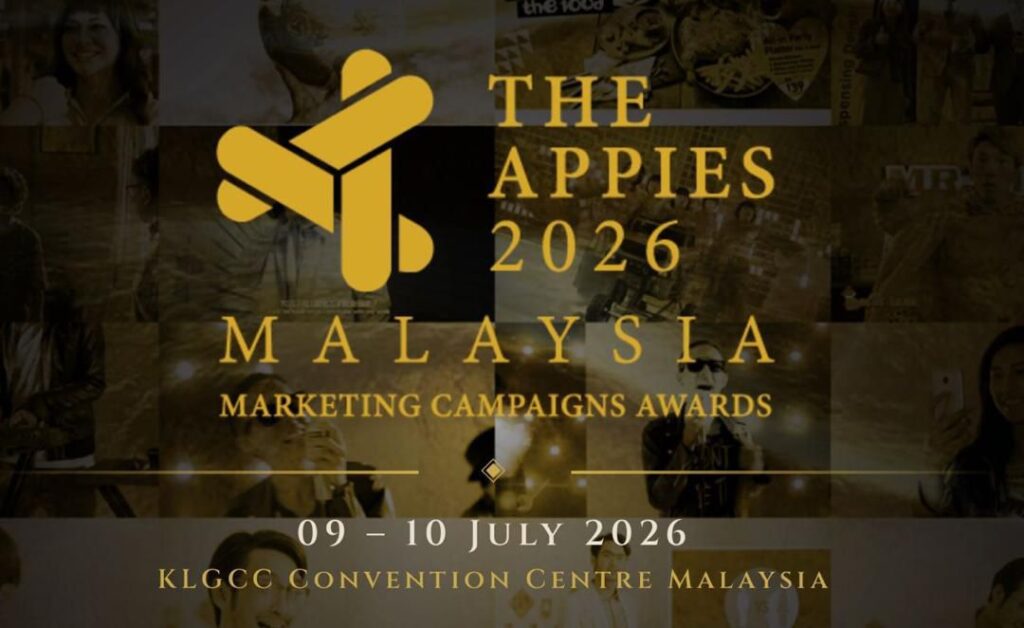
The APPIES is where Malaysia’s boldest campaigns, brightest ideas, and most impactful storytellers take the stage.
More than an awards show, it is the industry’s ultimate platform for creative, media, digital and marketing excellence, where live presentations meet live judging.
This is your chance to showcase work that moved audiences, shaped conversations, and delivered real results.
From breakthrough brand campaigns to innovative digital experiences, the APPIES celebrates the work that defines the future of marketing.
Step into the spotlight alongside the industry’s leading agencies, brands, creatives, strategists and changemakers.
Whether you are aiming for Gold, Silver, Bronze or the prestigious Best of the Best recognition, this is your moment to make history.
Your campaign deserves to be seen.
Your ideas deserve the stage.
Your work deserves the legacy.
KEY DATES
Haven’t subscribed to our Telegram channel yet? Don’t miss out on the hottest updates in marketing & advertising!