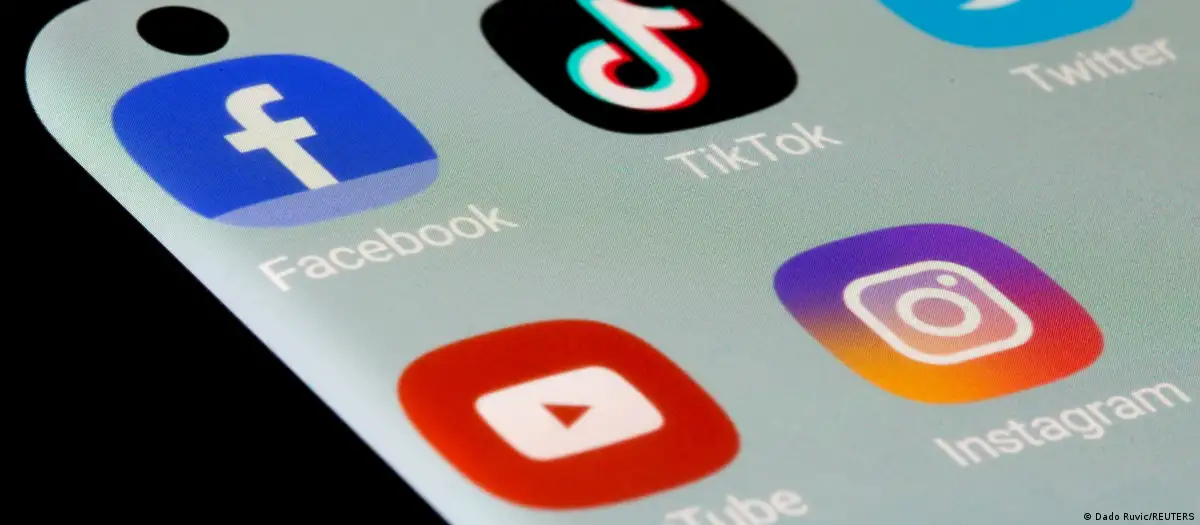
For years, the marketing industry has celebrated engagement like it was oxygen.
More time spent, more scrolls, more dopamine loops—metrics that agencies proudly put on slides and brands chased with increasing urgency. Now, a jury in Los Angeles has quietly but decisively reframed that narrative.
In a landmark ruling, Meta, and Google (via YouTube) have been found liable for building platforms deemed intentionally addictive, resulting in harm to a young user’s mental health.
The plaintiff, who began using Instagram at nine and YouTube at six, was awarded US$6 million in damages. For marketers, this isn’t just a legal story. It’s a philosophical rupture.
From Engagement to Liability
The language used in court is telling. Terms like “infinite scroll” and “addiction machines”—once discussed in UX optimisation circles—were reframed as mechanisms of harm.
For decades, platforms have engineered frictionless experiences. Remove stopping cues. Eliminate exit points. Keep the user moving. In marketing terms, this was brilliance.
In legal terms, it may now be negligence. The jury didn’t just find fault—they assigned intent.
Meta was deemed responsible for 70% of the damages, with Google taking the remaining 30%, after jurors concluded the companies acted with “malice, oppression, or fraud.”
The phrasing matters. It suggests the issue is no longer about unintended consequences. It’s about design choices.
The Business Model Under Scrutiny
Let’s be clear: platforms like Instagram and YouTube are not just media channels. They are behavioural systems. Their economic engine depends on attention. The longer users stay, the more ads are served, the more data is gathered, the more precise targeting becomes.
This case challenges the very premise of that model. Kaley’s lawyers argued that young users were particularly valuable—not just for immediate engagement, but for lifetime value.
Hook them early, and you don’t just win a user. You win a habit. For marketers, this raises an uncomfortable question: At what point does audience building become behavioural conditioning?
The Industry Has Seen This Coming
This verdict didn’t emerge in isolation. It’s the culmination of years of growing public unease. Countries like Australia are already imposing restrictions on children’s social media use. Several other countries are testing similar measures for under-16s.
Even within the platforms, the cracks have been visible. Internal research—some of it previously leaked—has long indicated awareness of potential harm, particularly among younger users. When Mark Zuckerberg testified that the company had reached “the right place over time,” it sounded less like confidence and more like hindsight.
What This Means for Brands
For Malaysian marketers and agencies, the implications are immediate—even if the courtroom is thousands of miles away.
1. The Era of Blind Optimisation is Over
Chasing metrics like time-on-platform without questioning how that time is generated is no longer defensible. Expect scrutiny—not just from regulators, but from consumers.
2. Platform Risk is Now Brand Risk
If platforms are found liable for harm, brands advertising on them won’t remain untouched. The question will shift from “Where did you advertise?” to “What ecosystem did you enable?”
3. Ethics Will Become a Differentiator
We’ve long talked about brand purpose. Now, ethical media choices may become part of that equation. Not in lofty mission statements—but in media plans.
A Shift in Creative Thinking
This also forces a rethink of creative strategy. For years, the brief was simple: Make it thumb-stopping. Make it addictive. Make it impossible to ignore. But what happens when “addictive” becomes a legal liability?
The future may belong to brands that design for respectful attention rather than compulsive consumption. Content that invites, not traps. That engages, but also allows exit. It sounds counterintuitive in a performance-driven world. But culturally, it may be where the tide is turning.
The Impact
Notably, TikTok and Snap had already settled before the trial concluded. That alone signal something significant: the industry knows this moment has been coming. What we’re witnessing is not a single verdict. It’s the beginning of a legal and cultural recalibration.
The attention economy isn’t collapsing—but it is being questioned in ways it never has before. For an industry built on capturing attention, that might be the most disruptive shift of all.
Share Post:

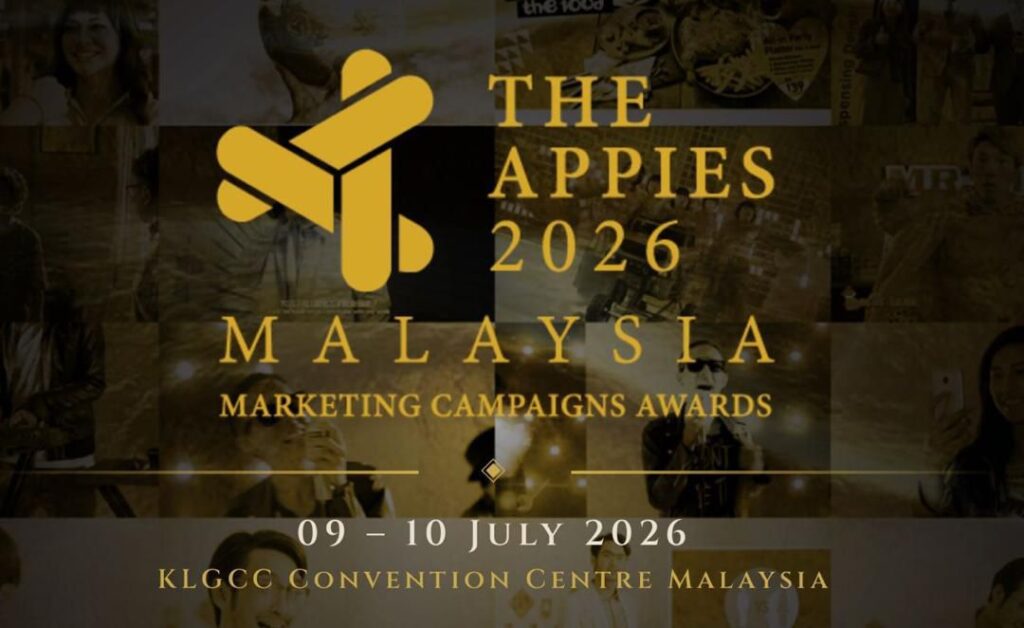
The APPIES is where Malaysia’s boldest campaigns, brightest ideas, and most impactful storytellers take the stage.
More than an awards show, it is the industry’s ultimate platform for creative, media, digital and marketing excellence, where live presentations meet live judging.
This is your chance to showcase work that moved audiences, shaped conversations, and delivered real results.
From breakthrough brand campaigns to innovative digital experiences, the APPIES celebrates the work that defines the future of marketing.
Step into the spotlight alongside the industry’s leading agencies, brands, creatives, strategists and changemakers.
Whether you are aiming for Gold, Silver, Bronze or the prestigious Best of the Best recognition, this is your moment to make history.
Your campaign deserves to be seen.
Your ideas deserve the stage.
Your work deserves the legacy.
KEY DATES
Haven’t subscribed to our Telegram channel yet? Don’t miss out on the hottest updates in marketing & advertising!