By The Malketeer
No Matter How Big You Are, Failure to Adapt, Innovate, and Market Effectively Leads to Irrelevance
For years, Skype was synonymous with video calling.
From boardrooms to long-distance lovers, the platform connected millions across the globe, revolutionising the way we communicated.
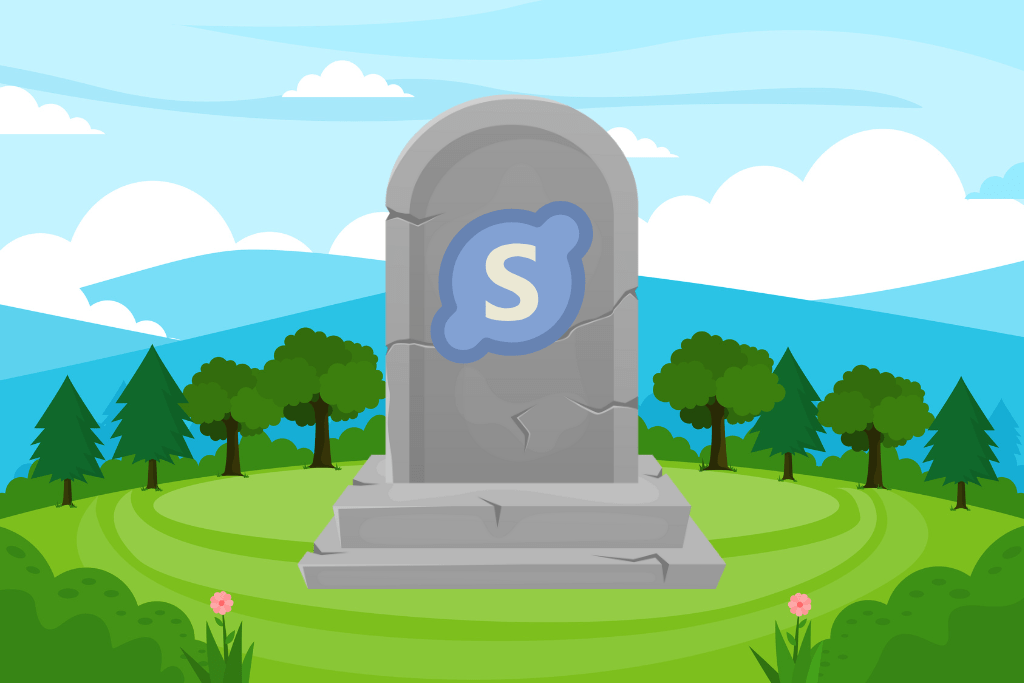
In May 2025, this once-pioneering app will officially shut down, marking the end of an era.
Microsoft, which acquired Skype for a staggering US$8.5 billion in 2011, has now decided to pull the plug, shifting its focus to the more lucrative Microsoft Teams.
But what led to Skype’s downfall, and what lessons can marketers learn from its dramatic rise and fall?
When Skype launched in 2003, it was nothing short of revolutionary.
Offering free voice and video calls over the internet, Skype disrupted traditional telecom companies and made long-distance communication more accessible than ever.
Users quickly embraced the service, and by 2011, Skype had 150 million monthly users.
Microsoft saw the potential and made its biggest acquisition at the time, betting that Skype would be the future of digital communication.
However, the reality was far different.
Over the next decade, Skype struggled to evolve, plagued by clunky updates, security concerns, and a lack of clear integration within Microsoft’s ecosystem.
Meanwhile, new competitors like Zoom, WhatsApp, and even Microsoft’s own Teams began to steal the spotlight.
Microsoft’s Strategic Shift From Skype to Teams
Skype’s decline wasn’t just about external competition—it was also about Microsoft’s shifting priorities.
In 2021, Microsoft retired Skype for Business, signalling that its focus had firmly moved to Teams.
The COVID-19 pandemic only accelerated this shift, as businesses adopted Teams for its seamless integration with Microsoft 365, cloud-based storage, and advanced collaboration tools.
In contrast, Skype was left in the shadows, receiving minimal updates and little marketing support.
By 2025, Microsoft Teams had exploded in popularity, boasting over 280 million daily active users and generating billions in revenue.
With Skype’s user base dwindling to just 30 million monthly users post-pandemic, the writing was on the wall.
Lessons for Marketers: How Skype Lost Its Relevance
Skype’s demise offers several key lessons for brands and marketers:
Users React to Skype’s Shutdown
As news of Skype’s shutdown spread, social media was flooded with nostalgic posts, memes, and memories.
From heartfelt messages about reconnecting with distant loved ones to humorous digs at Skype’s infamous lagging calls, the internet was abuzz with reactions.
A Reddit user reminisced, “I’ve been in Asia for 16 years, and Skype was always my go-to for calls back home. This is kind of sad, lol.”
Another user on X (formerly Twitter) posted, “Genuinely insane that Skype is shutting down. I used this since I was a kid… sad to see it go.”
Skype’s shutdown is more than just the closure of an app; it’s the end of a digital era that shaped how we communicate.
While Microsoft may be moving on to bigger things with Teams, the story of Skype serves as a cautionary tale for businesses: No matter how big you are, failure to adapt, innovate, and market effectively can lead to irrelevance.
For marketers, the key takeaway is clear: brand loyalty is fleeting in the digital world.
Success today doesn’t guarantee relevance tomorrow.
Stay ahead, stay innovative, and most importantly—stay connected with your audience.
Share Post:
The APPIES is where Malaysia’s boldest campaigns, brightest ideas, and most impactful storytellers take the stage.
More than an awards show, it is the industry’s ultimate platform for creative, media, digital and marketing excellence, where live presentations meet live judging.
This is your chance to showcase work that moved audiences, shaped conversations, and delivered real results.
From breakthrough brand campaigns to innovative digital experiences, the APPIES celebrates the work that defines the future of marketing.
Step into the spotlight alongside the industry’s leading agencies, brands, creatives, strategists and changemakers.
Whether you are aiming for Gold, Silver, Bronze or the prestigious Best of the Best recognition, this is your moment to make history.
Your campaign deserves to be seen.
Your ideas deserve the stage.
Your work deserves the legacy.
KEY DATES
Haven’t subscribed to our Telegram channel yet? Don’t miss out on the hottest updates in marketing & advertising!