Sometimes the most powerful regulatory action begins not with a boardroom debate or industry conference, but with one person deciding something simply isn’t acceptable anymore.
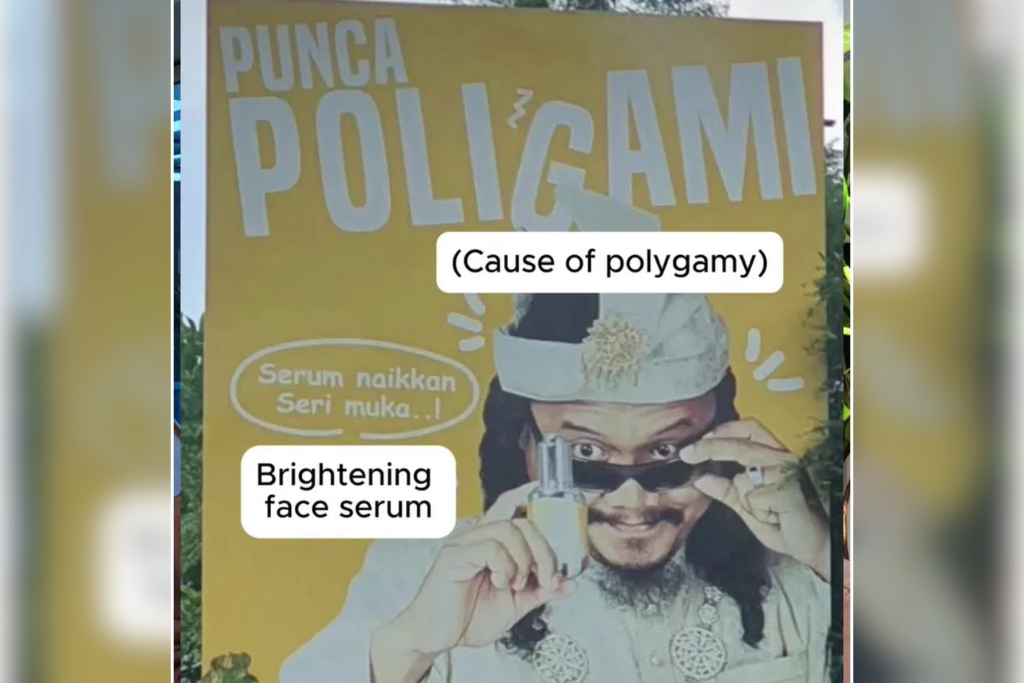
That is exactly what happened in a recent case highlighted by Free Malaysia Today (FMT), when UK-based Malaysian paediatrician Dr Ayne Zarof successfully pushed for the removal of a billboard promoting a skin-brightening serum with the provocative line describing the product as “the cause of polygamy.”
The advertisement featured a man in traditional Malay wedding attire shielding his eyes with sunglasses from the glow of the serum — an attempt at humour, perhaps, but one that quickly veered into territory many saw as deeply problematic.
According to the FMT report, Dr Ayne said the ad made her feel “nauseous and angry” when she first saw it shared on social media by a friend.
She initially tried the most straightforward approach: messaging the company on Instagram and sending emails suggesting there were better ways to promote the product.
Those attempts were ignored.
On her husband’s advice, she then filed a formal complaint with Advertising Standards Malaysia (ASA Malaysia).
Even she admitted she did not expect much to come of it.
Instead, within weeks, the billboard was taken down.
“It was a quick and straightforward process,” she was quoted as saying.
For Malaysia’s marketing and advertising community, this small incident carries several larger lessons — not just about creative judgment, but about how the ecosystem of public accountability around advertising is quietly evolving.
Advertising Is No Longer a One-Way Broadcast
For decades, billboards represented the most unilateral form of marketing communication imaginable.
Brands spoke; audiences received.
That dynamic has now flipped.
Every campaign is effectively launched into a real-time public feedback loop powered by social media, screenshots, and community scrutiny.
A billboard photographed by one passer-by can travel across the country — or the world — within hours.
In this case, the ad did not even need to be seen in person.
A shared image was enough to spark outrage.
For marketers, this means the creative approval process must now anticipate not just internal stakeholders and regulators, but the collective sensibilities of an online audience that is far more vocal than before.
The Persistence of Old Tropes
More interestingly, the controversy reveals how some advertising tropes continue to linger long after society has moved on.
The implication embedded in the tagline — that lighter skin might lead to men taking additional wives — leans on two outdated narratives: colourism and the commodification of women’s attractiveness.
Both have deep historical roots in beauty advertising across Asia.
Yet in a contemporary Malaysian context, where conversations around gender equality and representation have grown more visible, such messaging risks sounding not cheeky but tone-deaf.
The broader reaction online reflected that shift.
Dr Ayne herself later linked the issue to wider societal attitudes toward women.
In an Instagram post cited by FMT, she said misogynistic views persist and warned that failing to challenge them makes society “complicit”.
The Quiet Role of Advertising Standards
Another noteworthy element of the story is the role played by Advertising Standards Malaysia.
Unlike many regulatory interventions that involve public hearings or sanctions, this one happened quietly and efficiently.
The watchdog contacted the advertiser, and the billboard disappeared.
That responsiveness should reassure marketers.
Self-regulatory bodies like ASA exist precisely to resolve disputes before they escalate into larger reputational crises.
When they function well, they help protect both consumers and brands.
But the episode also highlights something else: consumers increasingly know these channels exist — and they are willing to use them.
Creative Provocation vs Cultural Responsibility
Advertising has always flirted with provocation.
Sometimes controversy can even generate valuable buzz.
But the line between provocative and problematic is getting thinner.
The MRT advertisements referenced in the same FMT report illustrate the same tension.
Among the taglines cited were statements such as:
“It’s no use being a pretty wife who is disobedient to her husband” and “What’s the point of being a highly educated wife who can’t cook?”
Even if framed ironically or as dialogue from a television show, critics argued such messaging risks reinforcing stereotypes rather than challenging them.
For brands and agencies, the question is no longer simply whether a message will attract attention.
The real question is: what kind of attention?
A Reminder for the Industry
Ultimately, the most striking element of this story is its simplicity.
One individual saw an advertisement, objected to it, followed the formal process — and it worked.
For Malaysian marketers, the takeaway is not that creative ideas should become timid or overly cautious.
Rather, it is that the cultural context surrounding advertising has changed.
Audiences are more alert to representation.
Regulators are more accessible.
And the distance between a controversial message and a reputational issue is now measured not in months, but in hours.
The billboard that sparked this debate may already be gone.
But the conversation it started should remain firmly on the industry’s radar.
Share Post:
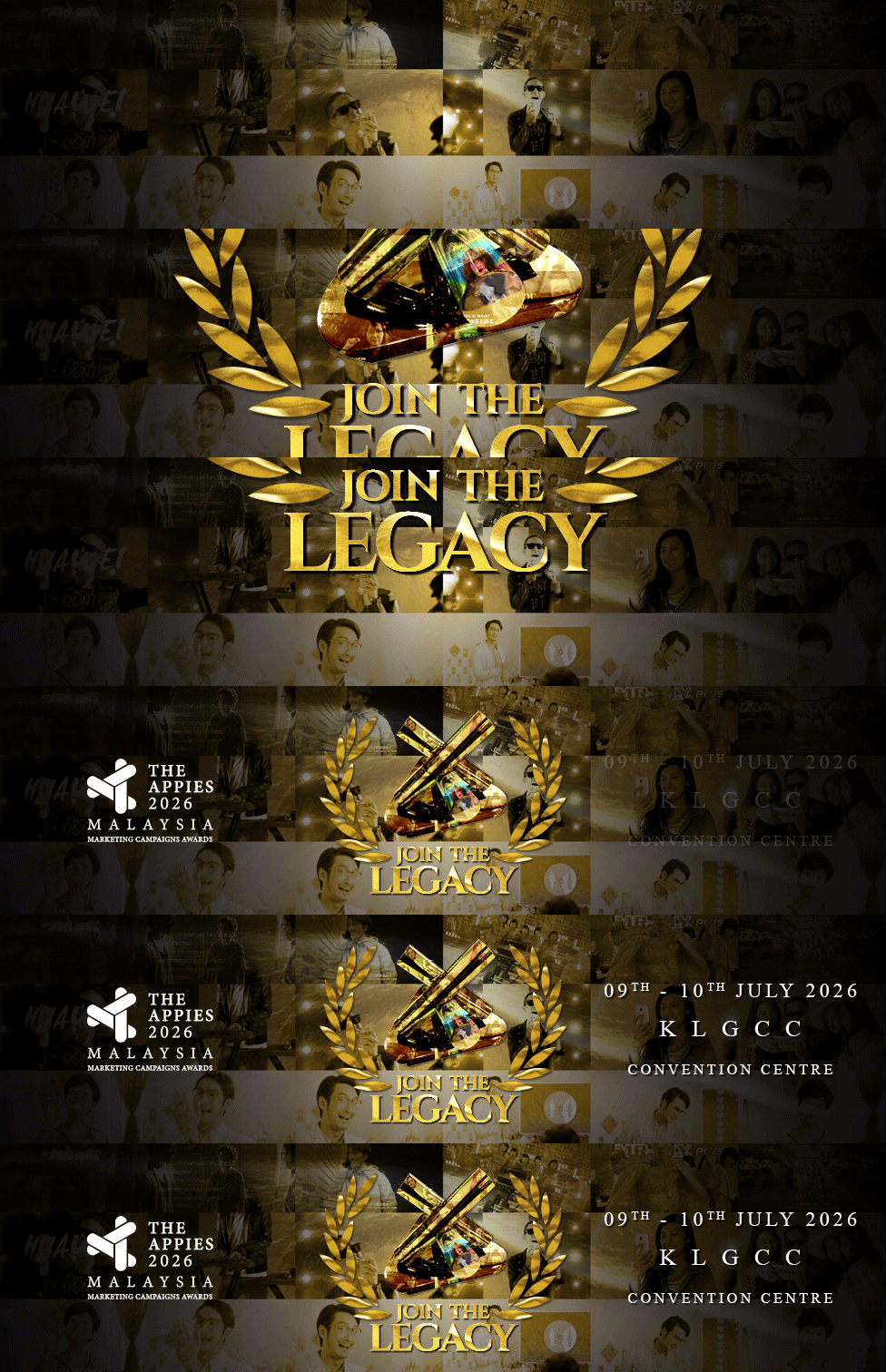
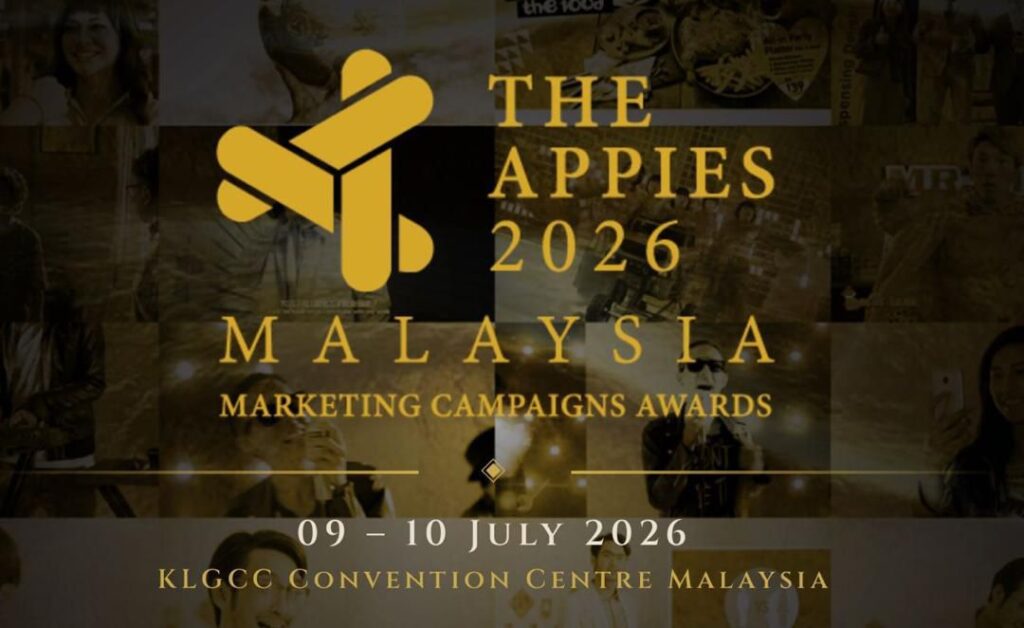
The APPIES is where Malaysia’s boldest campaigns, brightest ideas, and most impactful storytellers take the stage.
More than an awards show, it is the industry’s ultimate platform for creative, media, digital and marketing excellence, where live presentations meet live judging.
This is your chance to showcase work that moved audiences, shaped conversations, and delivered real results.
From breakthrough brand campaigns to innovative digital experiences, the APPIES celebrates the work that defines the future of marketing.
Step into the spotlight alongside the industry’s leading agencies, brands, creatives, strategists and changemakers.
Whether you are aiming for Gold, Silver, Bronze or the prestigious Best of the Best recognition, this is your moment to make history.
Your campaign deserves to be seen.
Your ideas deserve the stage.
Your work deserves the legacy.
KEY DATES
Haven’t subscribed to our Telegram channel yet? Don’t miss out on the hottest updates in marketing & advertising!