By The Malketeer
If you ever needed proof that AI isn’t just a productivity engine but a psychological presence in modern life, read on.
OpenAI has revealed that about 0.07% of weekly ChatGPT users may show signs of manic, psychotic, or suicidal ideation, with 0.15% demonstrating more explicit risk factors.
At ChatGPT’s scale of 800 million weekly users, that small fraction represents hundreds of thousands of vulnerable humans seeking solace, answers — maybe even hope — inside a text box.
AI isn’t just answering queries. It’s becoming a confidant.
And sometimes… a crisis-line substitute.
A Mirror We Didn’t Expect
Generative AI was sold as a creative co-pilot.
It turns out it is also a psychological touchpoint, quietly absorbing the world’s anxieties, late-night spirals, and unfiltered inner voices.
That says as much about us as it does about the tech.
Behind every prompt is a person, and behind every person is a story we don’t see — stress, loneliness, uncertainty, economic squeeze, existential fatigue.
Marketing has always claimed to “understand consumer behaviour.”
How many of us foresaw this behaviour?
The Illusion Problem
One mental-health expert put it bluntly, “Chatbots create the illusion of reality. It is a powerful illusion.”
That line should make every marketer sit up.
We already rely on illusions — brand worlds, emotional storytelling, promise-driven narratives.
But illusions unanchored from reality, amplified by always-on generative companions?
That’s a different beast.
When AI becomes a confidant instead of a tool, the line between assisted thinking and assisted delusion gets thin.
And let’s be honest — many of us in advertising are already testing how far AI can blur fiction for brand utility.
Where Responsibility Begins
OpenAI’s move to publish the data and build crisis-aware safeguards deserves credit.
It acknowledges something uncomfortable:
AI isn’t neutral. AI shapes minds. AI holds emotional weight.
We in the industry must recognise the same truth about our technologies, our content, our campaigns.
We build persuasion systems.
Now, we also build immersive personalised realities — sometimes algorithmically sealed bubbles.
If AI can influence a fragile mind, imagine what brand ecosystems can do — for better or worse.
Rethinking the Creative Duty of Care
This isn’t a call for panic.
It’s a call for maturity.
We are entering a new chapter where:
So, we need new questions on the creative whiteboard:
Advertising used to be mass persuasion.
Today, persuasion sits one-to-one in your pocket, ready to talk at 3am when the human world is asleep.
With great intimacy comes great responsibility.
Not Lessons. A Creative Duty.
Instead of “Lessons for Marketers,” let’s call this a Creative Duty List — a higher bar than KPIs, ROAS, or CTRs:
Creative Duty #1
Build tech-powered experiences that hold people, not hollow them.
Creative Duty #2
Where AI interacts emotionally, ethics isn’t optional — it’s infrastructure.
Creative Duty #3
Treat human vulnerability as sacred, not a segment.
Creative Duty #4
Brands don’t need to solve mental health, but they must never destabilise it.
Creative Duty #5
If technology is becoming a companion, make sure it behaves like a good one.
Humanity Still Leads
Marketing has always followed culture.
But now, culture follows code.
In a world where AI may hear distress before friends do, the industry that shapes narratives must shape with care — and conscience.
Because whether we like it or not, brand builders and AI creators are now co-authors of the modern mind.
Let’s make sure we write with kindness.
Share Post:
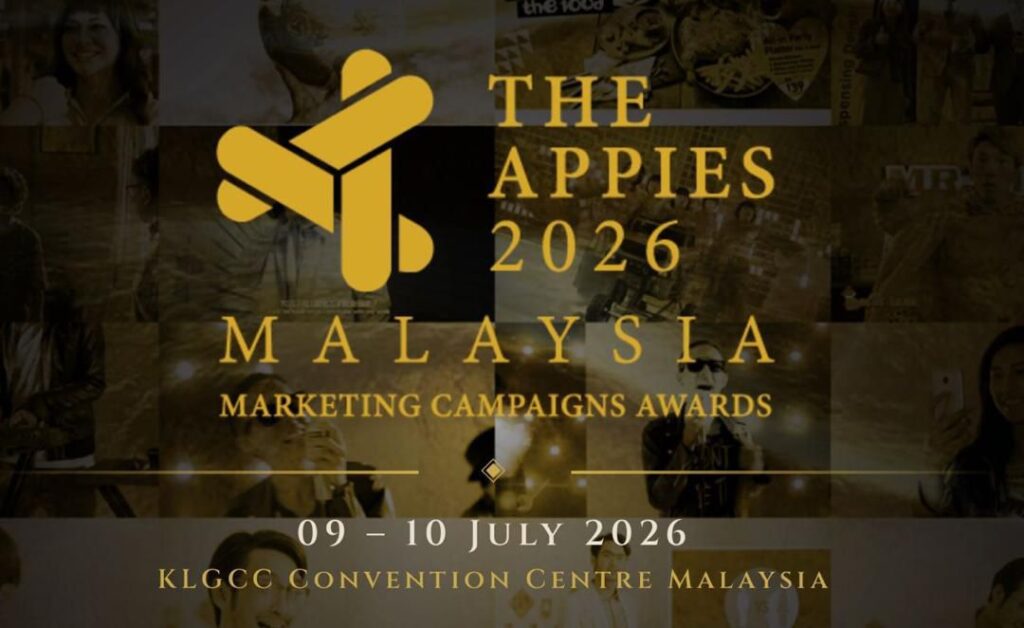
The APPIES is where Malaysia’s boldest campaigns, brightest ideas, and most impactful storytellers take the stage.
More than an awards show, it is the industry’s ultimate platform for creative, media, digital and marketing excellence, where live presentations meet live judging.
This is your chance to showcase work that moved audiences, shaped conversations, and delivered real results.
From breakthrough brand campaigns to innovative digital experiences, the APPIES celebrates the work that defines the future of marketing.
Step into the spotlight alongside the industry’s leading agencies, brands, creatives, strategists and changemakers.
Whether you are aiming for Gold, Silver, Bronze or the prestigious Best of the Best recognition, this is your moment to make history.
Your campaign deserves to be seen.
Your ideas deserve the stage.
Your work deserves the legacy.
KEY DATES
Haven’t subscribed to our Telegram channel yet? Don’t miss out on the hottest updates in marketing & advertising!