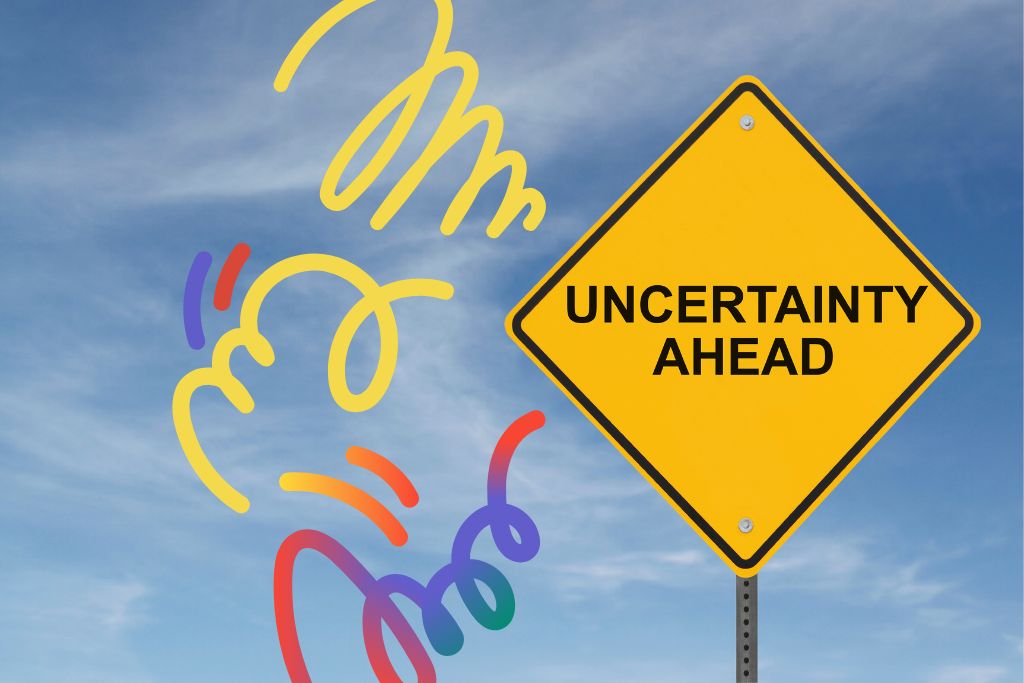
By The Malketeer
In marketing, we’re taught to seek clarity.
Forecasts, trend reports, tested formulas—they make us feel safe.
But in the real world, especially now, certainty is an illusion.
Markets shift overnight. Platforms vanish as fast as they rise. Consumer moods swing without warning.
It’s unsettling. But it’s also the perfect breeding ground for creativity.
The upside of unpredictability
Uncertainty forces us out of autopilot. Without a predictable path, we can’t rely on “what worked last time.”
The old rules stop working. And when the rules fall away, so do the limits on our imagination.
This is why the most memorable campaigns often emerge from moments of disruption. Necessity sharpens ideas.
With no guaranteed formula, we experiment, adapt, and create things we might never have risked in calmer times.
Disruption as a creative spark
The pandemic made this crystal clear.
When live events were cancelled and consumer priorities shifted overnight, marketers had to improvise.
Nike’s “Play Inside” turned lockdowns into a global fitness movement.
Malaysian food brands went live on social media to keep customers connected.
None of this came from comfort. It came from survival instincts—fuelled by creativity.
Even in non-crisis moments, unpredictability breeds opportunity.
The rise of TikTok wasn’t on most media plans five years ago.
Yet brands that jumped in early carved deep connections with a new generation.
They didn’t wait for proof. They acted on possibility.
Why safety stifles ideas
Predictability feels good, but it breeds repetition.
Campaigns start to look like polished reruns of what worked before.
Creativity is trimmed to fit the boundaries of “safe.”
Uncertainty flips this script.
When the future is unclear, sticking to the past is riskier than trying something new.
Turning fear into fuel
Yes, uncertainty brings fear—fear of wrong calls, wasted budgets, or public missteps.
But fear can energise if we reframe it.
Great leaders make this shift happen.
They tell teams: this is our chance to explore.
They reward experiments, even if they don’t land perfectly.
They create space where curiosity matters as much as performance.
In that culture, uncertainty stops being a threat. It becomes an open brief.
The marketer’s natural edge
Marketers are built for this.
We read cultural shifts, anticipate needs, and tell stories that resonate in the moment.
Those skills are tailor-made for navigating unknowns.
When other industries wait for the fog to clear, we can move forward using instinct, data, and creative courage.
Five ways to harness uncertainty for creativity
Apple’s “Think Different” wasn’t launched in a moment of strength—it was born when the company was near collapse.
The campaign didn’t just save the brand. It redefined what tech marketing could be.
In Malaysia, AirAsia doubled down during the 2008 financial crisis with bold “Now Everyone Can Fly” fares. While others cut back, they expanded—and won.
Both brands thrived not in spite of uncertainty, but because they leaned into it.
Stepping through the door
Certainty is comforting, but it limits us.
Uncertainty feels risky, but it’s where bold ideas live.
When the future is unclear, the rules are still being written.
That’s the moment to create—not cautiously, but courageously.
For marketers, uncertainty isn’t a storm to wait out. It’s an open door.
The brands willing to step through will be the ones writing tomorrow’s playbook.
Share Post:
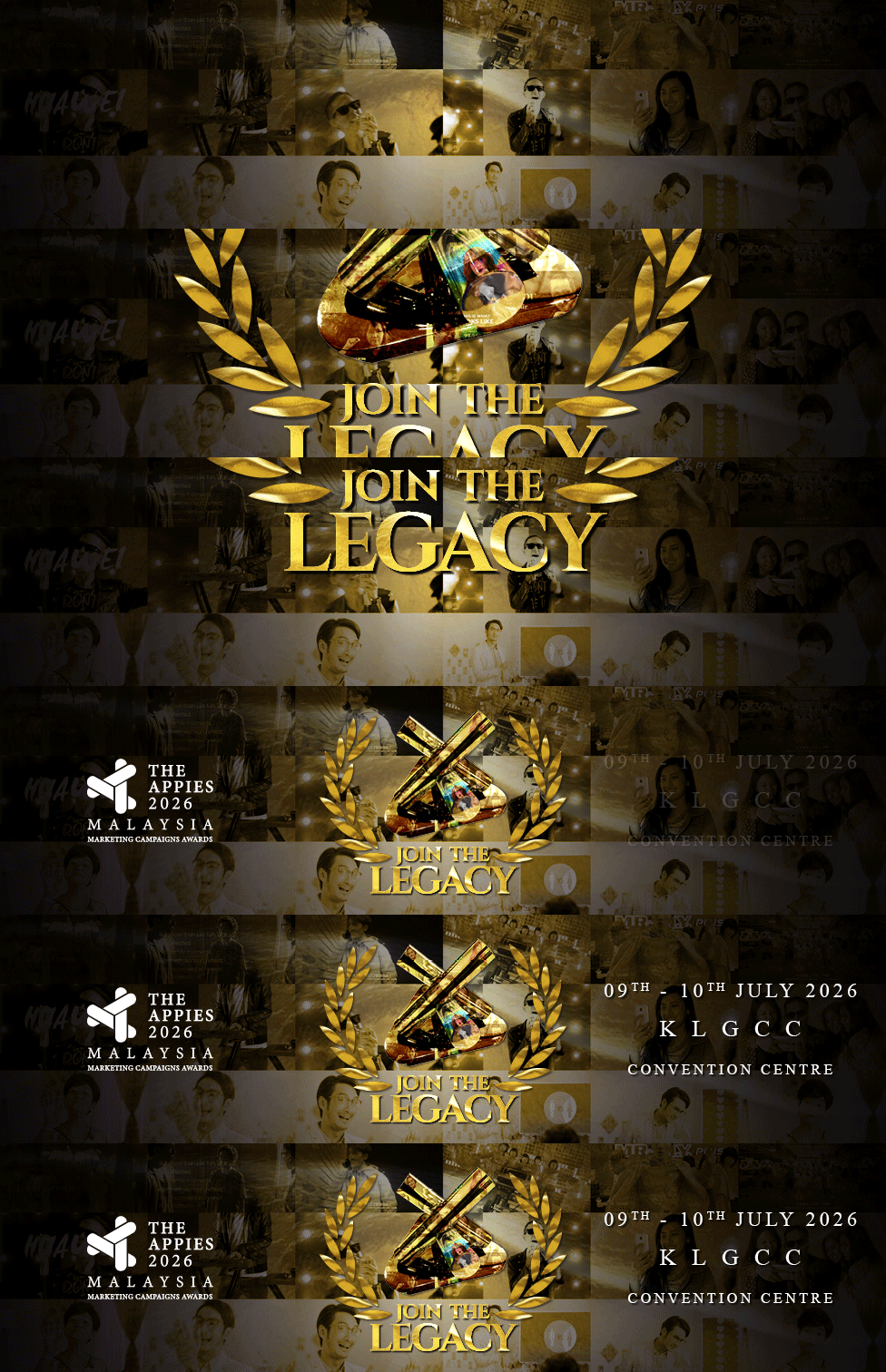
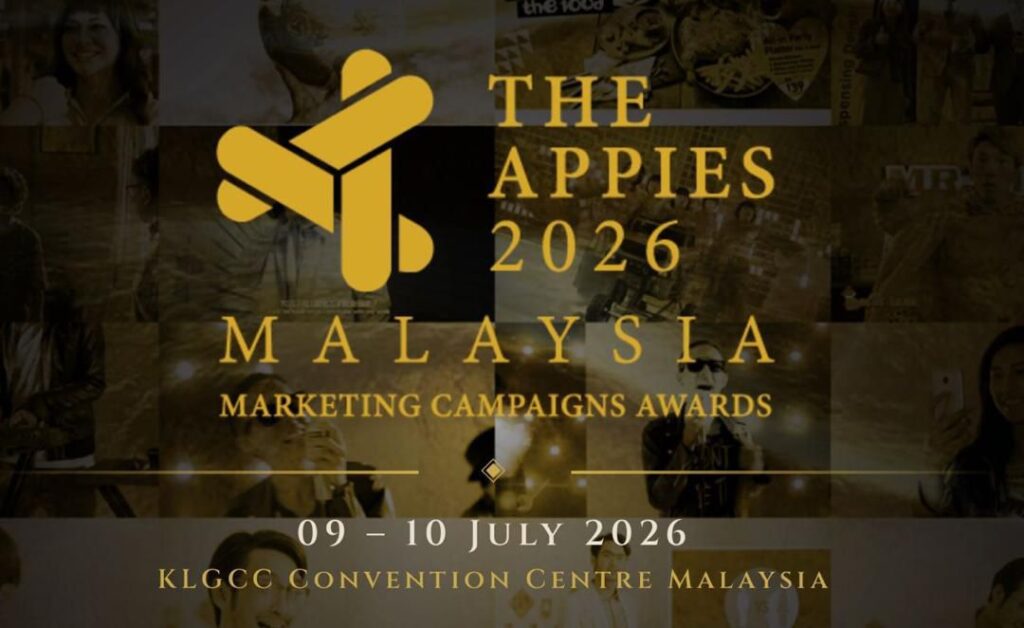
The APPIES is where Malaysia’s boldest campaigns, brightest ideas, and most impactful storytellers take the stage.
More than an awards show, it is the industry’s ultimate platform for creative, media, digital and marketing excellence, where live presentations meet live judging.
This is your chance to showcase work that moved audiences, shaped conversations, and delivered real results.
From breakthrough brand campaigns to innovative digital experiences, the APPIES celebrates the work that defines the future of marketing.
Step into the spotlight alongside the industry’s leading agencies, brands, creatives, strategists and changemakers.
Whether you are aiming for Gold, Silver, Bronze or the prestigious Best of the Best recognition, this is your moment to make history.
Your campaign deserves to be seen.
Your ideas deserve the stage.
Your work deserves the legacy.
KEY DATES
Haven’t subscribed to our Telegram channel yet? Don’t miss out on the hottest updates in marketing & advertising!