By The Malketeer
McDonald’s Malaysia could easily have launched its Thai green curry burger with stock visuals of basil leaves, silk fabrics and temple silhouettes.
A “safe” route. Polite. Predictable.
Instead, they asked a bolder question: What if Thai cuisine met Malaysian humour in a back-alley food-fight between horror, TikTok chaos, and Muay Thai swagger?
That instinct — to create not just content but cultural play — is why this campaign cuts through.
In a world where food launches often default to glossy food-porn shots and earnest chef philosophy, McD’s chose something wonderfully unserious.
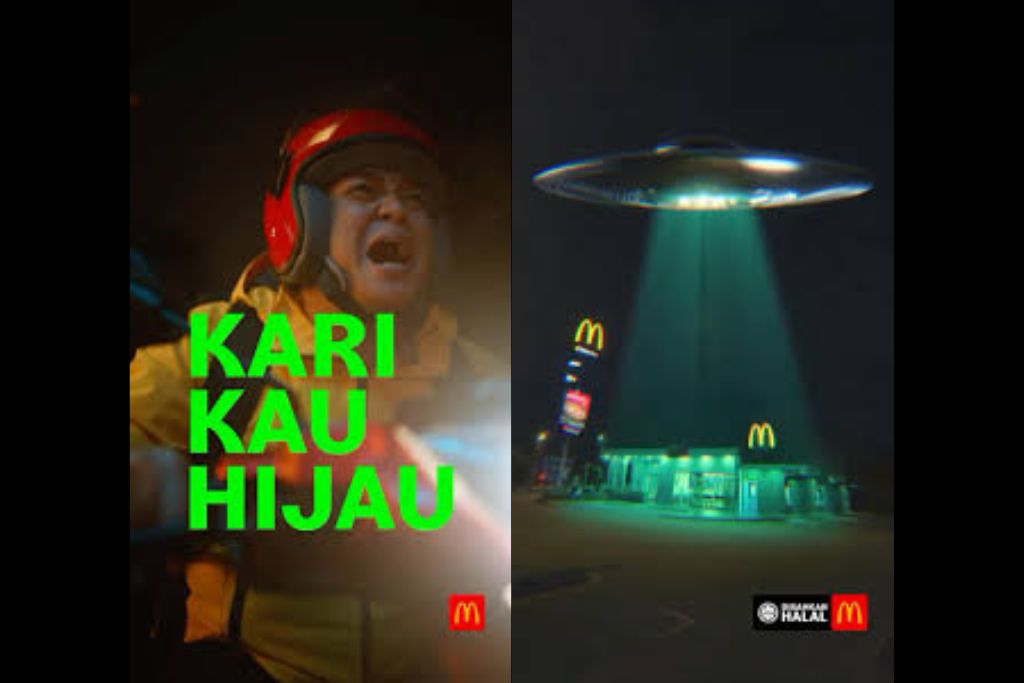
A three-part “Thai-kejut” cinematic skit series built around the cheeky line:“Kari kau hijau.”
Your curry is green. Your humour is Malaysian.
It’s flavour, slang and cinema rolled into a bite.
The Plot: Ghosts, Aliens & Muay Thai… For a Burger?
Let’s recap with a marketer’s lens:
Familiar genres. New comedic grammar. A burger as the surprise hero.
And because comedy thrives on confidence, the campaign winks, not wobbles.
It doesn’t ask to be liked.
It plays, knowing Malaysians love anything that blends fright, food, and foolishness.
It’s why the campaign feels like watching friends be ridiculous — not being fed a corporate joke.
Real People. Real Reactions.
Malaysians didn’t just watch. They felt in on it.
“Finally, a fast-food ad that doesn’t need to pretend it’s saving the world,” quipped Alice Wong.
“It reminds me of watching Thai horror at hostel nights… but with fries one hand,” exclaimed Mahesha Kaur.
“This is the kind of humour you can’t AI-generate — it comes from living here,” said Anthony Appadurai.
“Clever lah. Makes you crave, makes you laugh. Confirm order after watching,” summed up Huzaidi Rasol.
When consumers articulate strategy better than the slide decks, you know the work landed.
Why This Approach Matters — Especially Now
Across Southeast Asia, humour is increasingly a trust currency.
We’re living in heavy times — economic pressure, information overload, rising cynicism.
Audiences instinctively pull away from campaigns that feel preachy, polished, or overly purposeful.
McDonald’s went in the opposite direction:
That emotional intelligence is what makes the work modern.
This isn’t “just funny. It’s culturally literate.
Influencers Used as Characters, Not Billboards
Partnering Mei Yan and Jaspers Lai was not a tactical media extension — it was casting.
This cross-border comedic language is a reminder: culture in SEA is fluid.
TikTok has collapsed geography.
Humour is now a regional export industry.
Brands that get this will win.
The Mushroom Prelude: A Pattern, not a One-Off
This campaign wasn’t luck — it’s part of a creative pattern.
“Musim Cendawan” primed the audience weeks earlier with mushroom wigs, misdirection, and mystery.
The creative system here isn’t seasonal advertising — it’s rolling cultural chapters.
McDonald’s isn’t selling limited-time menus.
They’re building limited-time universes.
Think Marvel, but with sambal and punchlines.
Five Lessons for Marketers Who Want More Than Views
1) Market to emotions, not formats
The films aren’t based on platform trends — they’re based on shared humour instincts.
2) Embrace harmless rebellion
Brands that play it safe become wallpaper. McDonald’s chose cheek. And cheek wins Asia.
3) Speak like a friend, not an ad
Campaigns don’t need to apologise for wanting to make people laugh.
Great food ads don’t lecture. They feed joy.
4) Local isn’t “cultural props”; local is lived behaviour
Memes. Slang. Fearful delivery riders. Ghost houses. That’s Malaysia.
5) Build worlds, not one-off promotions
Creative stamina beats creative spikes.
In a SEA market obsessed with purpose-washing and algorithmic polish, McDonald’s Malaysia serves a reminder: Sometimes the most powerful brand act is to laugh with the audience, not at them.
Sometimes the boldest marketing isn’t to inspire tears — but to trigger a silly grin in a stressful year.
And sometimes the secret sauce isn’t chilli. It’s charm.
“Kari kau hijau.” The line we didn’t know we needed — until we couldn’t stop saying it.
Share Post:

The APPIES is where Malaysia’s boldest campaigns, brightest ideas, and most impactful storytellers take the stage.
More than an awards show, it is the industry’s ultimate platform for creative, media, digital and marketing excellence, where live presentations meet live judging.
This is your chance to showcase work that moved audiences, shaped conversations, and delivered real results.
From breakthrough brand campaigns to innovative digital experiences, the APPIES celebrates the work that defines the future of marketing.
Step into the spotlight alongside the industry’s leading agencies, brands, creatives, strategists and changemakers.
Whether you are aiming for Gold, Silver, Bronze or the prestigious Best of the Best recognition, this is your moment to make history.
Your campaign deserves to be seen.
Your ideas deserve the stage.
Your work deserves the legacy.
KEY DATES
Haven’t subscribed to our Telegram channel yet? Don’t miss out on the hottest updates in marketing & advertising!