By Kunal Sinha
Malaysia’s consumer economy continues to demonstrate resilience, though that resilience is not defined by unbroken growth or unrestrained spending. Instead, it is visible in how both households and markets have adapted to a more complex operating environment, balancing cost pressures with sustained demand, and recalibrating behaviour without withdrawing from consumption altogether.
Across the retail sector, the data points to a clear story of underlying strength. Retail sales expanded by roughly 6–7% year-on-year through 2025, with this momentum carrying into the first quarter of 2026. What is notable is not simply the growth rate, but the breadth of that growth.
Demand has remained strong across both essential and discretionary categories, with food and beverage spending continuing to anchor consumption while lifestyle and retail segments still attract meaningful share of wallet. This broad-based performance suggests that Malaysian households are not retreating from spending; rather, they are rebalancing it.
The first quarter of 2026 provides a particularly vivid illustration of this dynamic. Malaysia’s consumer spending remained robust, anchoring the nation’s economy with a 5.4% GDP growth. Private final consumption expenditure – representing over 61% of GDP – increased by 4.7%, driven by favourable labour markets and strong festive demand.
Analysts described a convergence of income drivers as a “cash tsunami,” where multiple inflows including government assistance disbursements, salary adjustments for civil servants, and festive spending tied to Chinese New Year and Ramadan, combined to inject significant liquidity into the economy. For retailers, this translated directly into elevated sales and strong earnings visibility. The impact was felt across supermarkets, department stores, and discretionary categories, reinforcing the idea that fiscal policy and seasonal demand continue to act as powerful multipliers of consumption.
At the same time, the resilience of Malaysia’s consumption story is deeply anchored in the stability of everyday spending. Fast-moving consumer goods (FMCG) remain central to household budgets, accounting for approximately one-fifth of overall consumption expenditure.
Products such as food, beverages, and personal care items display near-universal penetration, with over 80% of consumers regularly purchasing them, according to Statista. This creates a foundational layer of demand that remains largely intact even when macroeconomic pressures intensify.
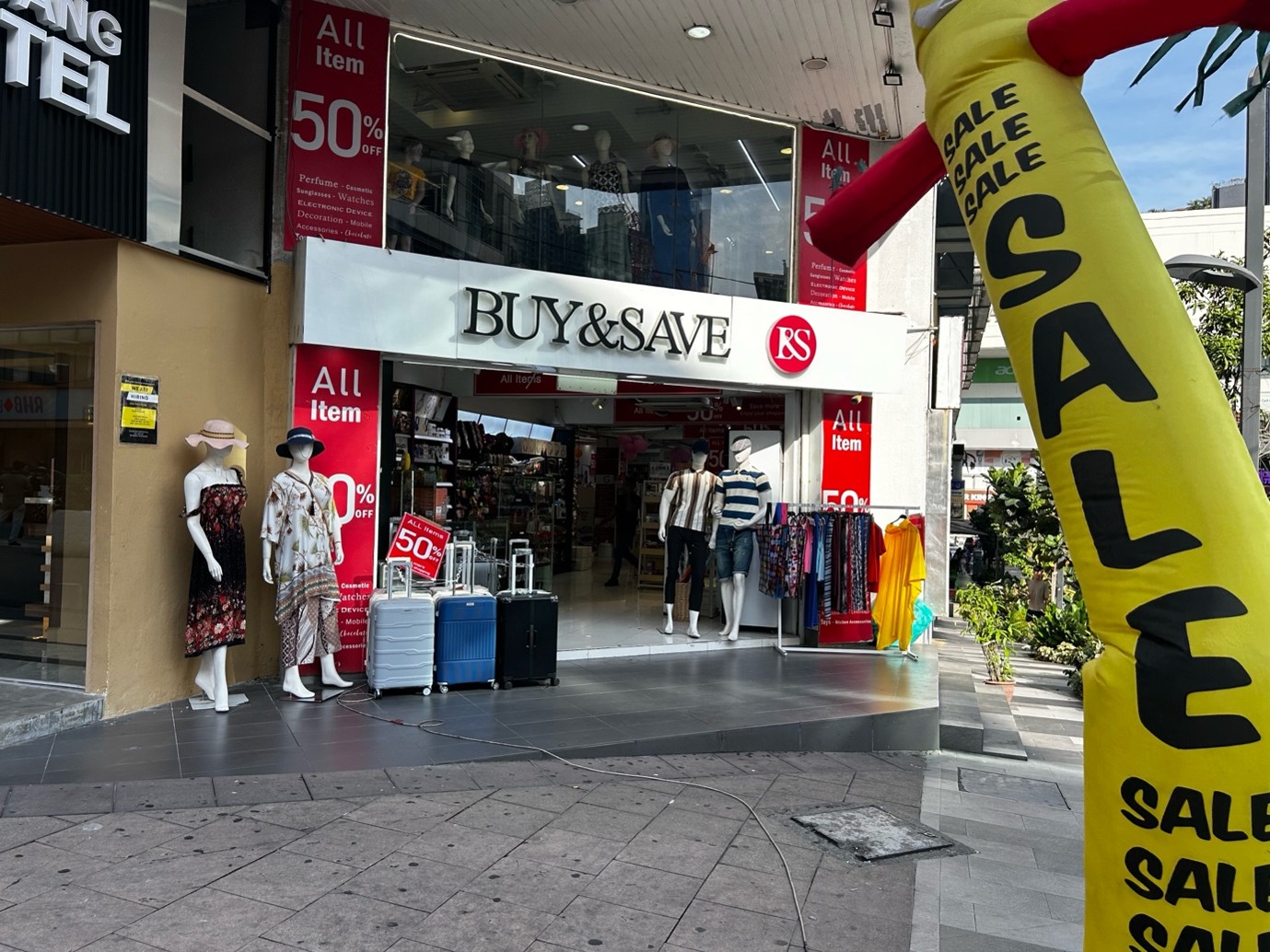
Yet, beneath this stability lies a clear pattern of behavioural adaptation. Malaysian consumers are not immune to rising costs; rather, they are responding to them in pragmatic ways. A significant proportion of households are adjusting purchasing strategies, switching to better value alternatives, buying smaller quantities, and timing purchases around discounts.
Data shows that around a quarter of consumers have moved toward more value-oriented brands, while over 40% seek out promotions for the same products. At the same time, more than one-third of shoppers report buying less overall, while over a quarter focus primarily on essentials.
This behaviour reflects not a collapse in demand, but a reallocation of spending. Consumers are actively stretching budgets while maintaining participation in the market. The growth of smaller pack sizes and sachet formats further underscores this shift, allowing households to manage cash flow without sacrificing access to preferred brands.
Alongside this pragmatic reallocation, certain categories continue to exhibit strong growth, offering insight into where consumers are still willing to spend. Health and wellness products, including supplements and functional beverages, are among the fastest-growing segments, with some subcategories recording growth rates exceeding 70–100%.
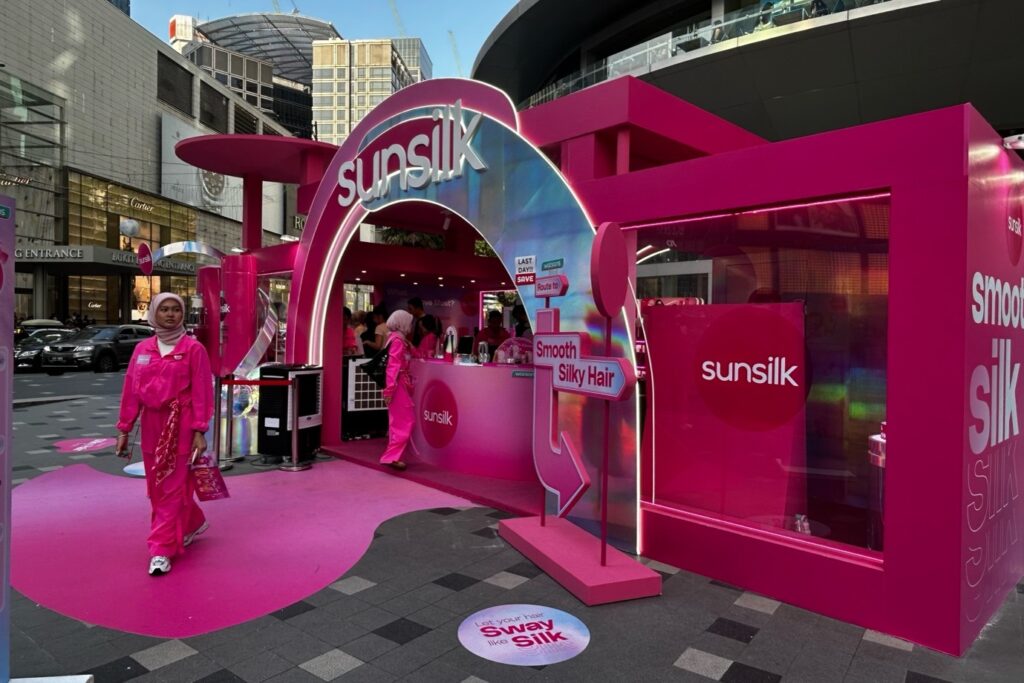
Personal care and beauty also remain robust, particularly in digital channels, where online penetration has climbed significantly. Convenience-driven categories, such as ready-to-cook meals and pre-prepared food solutions, are expanding as urban lifestyles become more time-constrained.
These trends suggest that even in a more cautious spending environment, consumers continue to prioritise categories that deliver either utility or emotional reward: health, convenience, and self-care.
The growth of digital commerce further reinforces this resilience. Malaysia’s consumer landscape has become deeply omnichannel, with nearly 88% of consumers now shopping online. Platforms such as Shopee and TikTok Shop have emerged as dominant channels, blending commerce with entertainment and discovery.
More broadly, the scale of digital consumption is substantial: the country’s e-commerce economy generated over RM1 trillion in income in 2024 and continues to grow steadily.
Crucially, digital channels are not replacing physical retail; they are complementing it. Malaysian consumers increasingly move fluidly between online and offline environments, using one for discovery and the other for purchase.
This hybrid, or “phygital,” behaviour allows households to optimise value, compare prices, and access promotions, effectively cushioning the impact of rising costs while sustaining overall consumption.
Another important pillar supporting consumer resilience is tourism. Malaysia’s retail sector is benefiting from a strong recovery in both international and domestic travel, with shopping remaining one of the largest components of tourist spending.
Key retail districts, outlet malls near airports, and lifestyle destinations like Genting Highlands continue to attract significant footfall from both local and foreign visitors.
Domestic tourism, in particular, has emerged as a stabilising force. With over 260 million domestic trips recorded in 2024, surpassing pre-pandemic levels, travel within Malaysia is redistributing consumption across regions and sustaining retail activity beyond major urban centres.
The upcoming Visit Malaysia 2026 campaign is expected to further amplify this effect, with projections suggesting billions of ringgit in additional economic activity driven through tourism-related spending.
Taken together, these dynamics point to a nuanced but robust consumption model. Malaysia’s consumer economy is supported by structural anchors such as stable employment, fiscal transfers, and essential spending.
It is sustained by behavioural flexibility, with households adapting through value-seeking, omnichannel shopping, and smarter budgeting. And it is amplified by demand multipliers, including festive cycles, digital commerce, and tourism flows.
The result is a system that does not simply withstand pressure, but an adjustment to it. Rather than withdrawing from the market, Malaysian consumers are reconfiguring their participation within it. Spending continues, but with greater intentionality, greater scrutiny, and greater responsiveness to both economic conditions and opportunities.
In this sense, resilience in Malaysia is not about stability in the traditional sense. It is about adaptability. It reflects a consumer base that remains engaged, confident enough to spend, yet pragmatic enough to optimize. For businesses, the implication is clear: growth is still present, but it will be captured by those who understand and respond to this new, recalibrated consumer logic.