Ryo saved a little piece of advertising history from disappearing.
There was a time when inspiration weighed a bloody ton.
Literally.
It came bound in cloth and board, printed on expensive paper, smelling faintly of ink, dust and ambition.
Long before Google Images, Pinterest, Behance or AI, before a young art director could type “great beer advertising” into a search bar and receive several million answers in seconds, there were books.
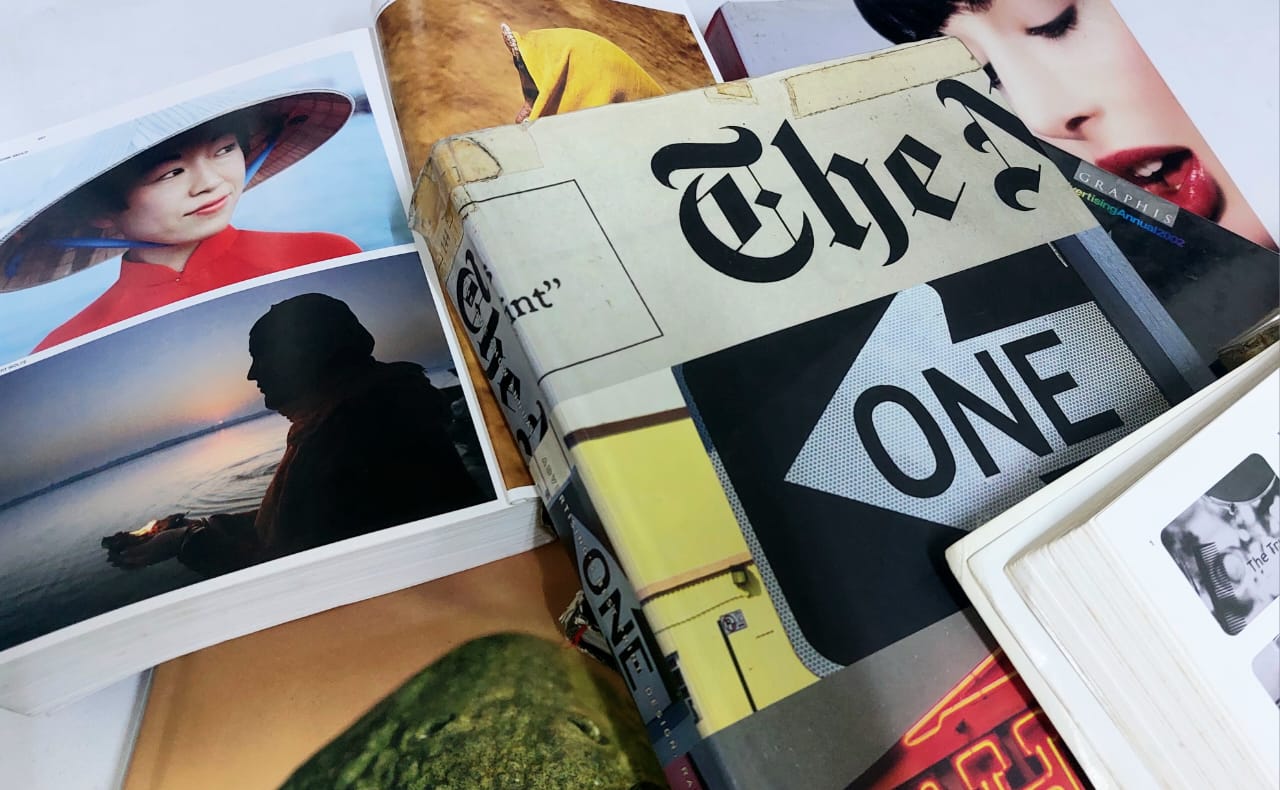
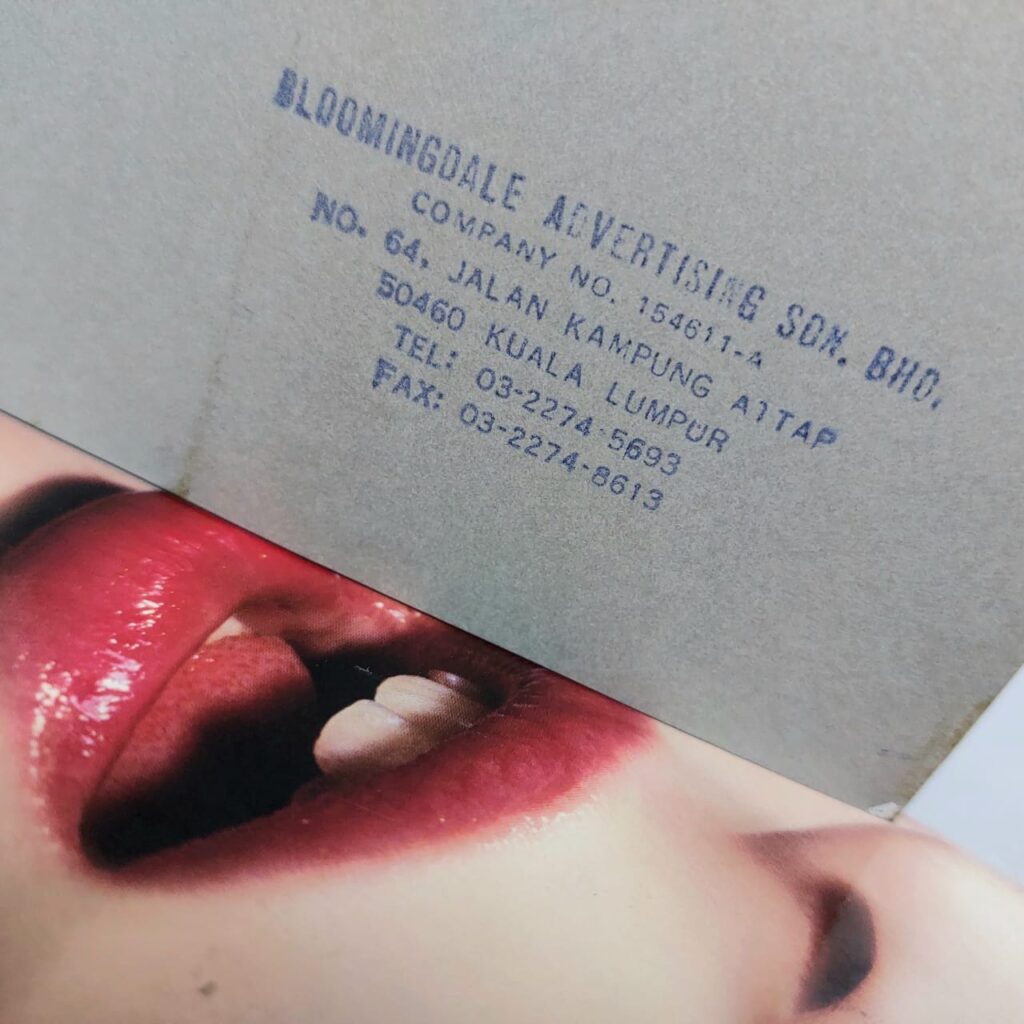
Big books. Expensive books. Glorious books. At Bloomingdale Advertising, we had hundreds of them.
Art Directors Annuals. British D&AD Annuals. Design books. Photography books. Typography books. Illustration annuals. Award books from wherever creative people were producing work that made the rest of us slightly jealous.
And jealousy, properly administered, is one of advertising’s finest creative stimulants.
Bloomingdale opened its doors in 1985 and survived for more than three decades until we finally closed shop in 2016.
That alone deserves some kind of advertising medal.
We lived through Letraset, bromides, marker pens, type houses, colour separations, transparencies and couriers who seemed capable of crossing Kuala Lumpur faster than today’s broadband.
Then came computers. Then the internet.
But for much of Bloomingdale’s life, our creative department had its own search engine. It was called the bookshelf. You walked over to it. You pulled something down. And you looked.
The younger generation may find this difficult to comprehend, but creative research once required standing up.
There was no algorithm recommending what you might like next. No infinite scroll. You searched with your fingers. You turned pages.
And sometimes, completely by accident, you discovered something you were not looking for. That was the magic.
Those annuals were windows into creative minds in London, New York, Tokyo, Amsterdam and Sydney. Occasionally some obscure Scandinavian agency whose name nobody at Bloomingdale could pronounce would produce an advertisement so brilliant it plunged the entire creative department into temporary depression.
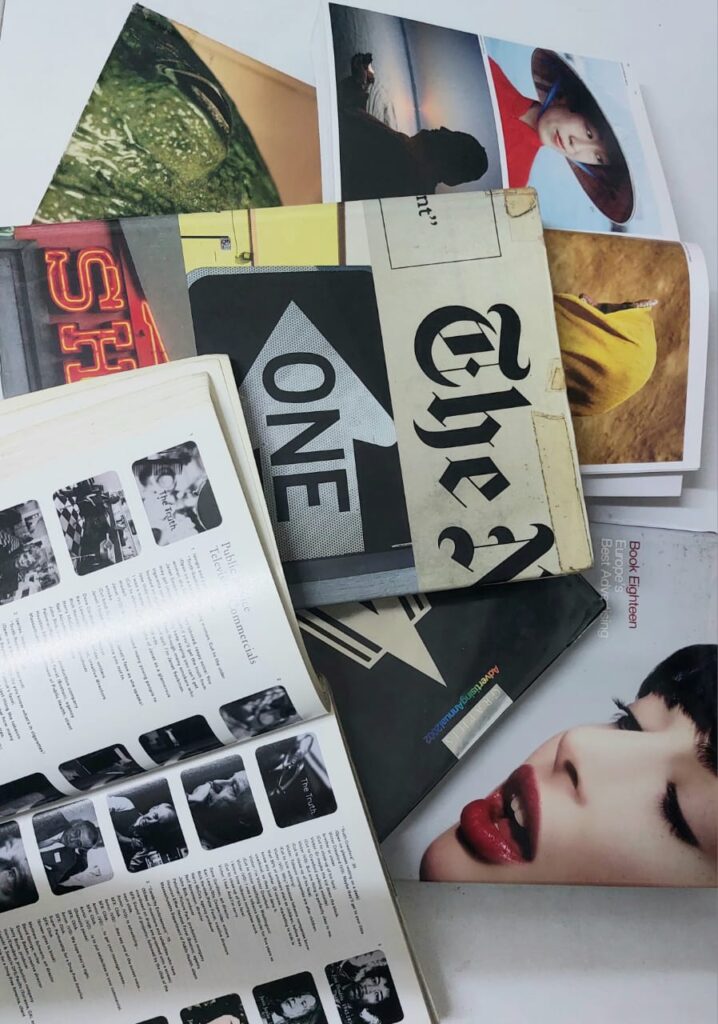
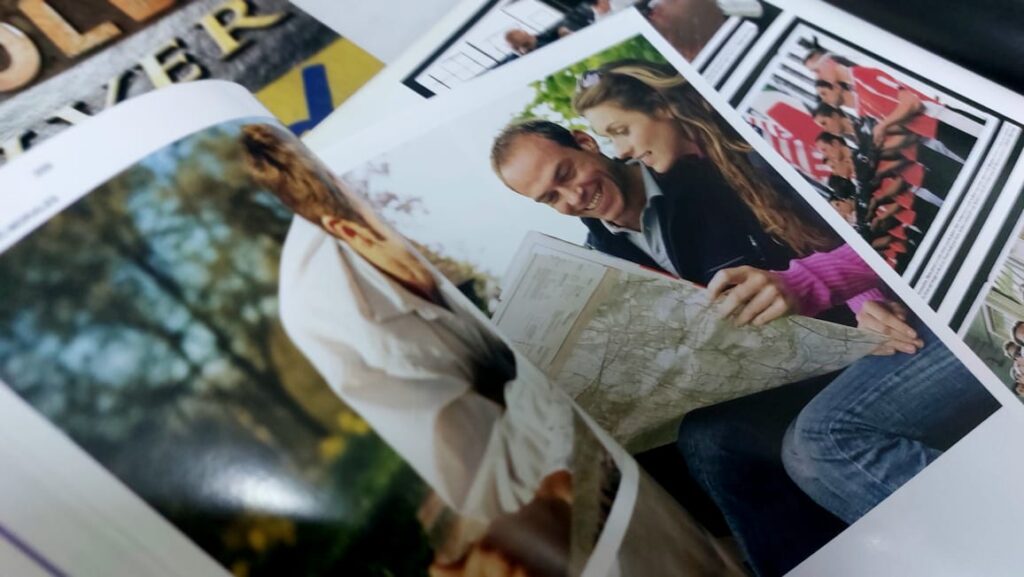
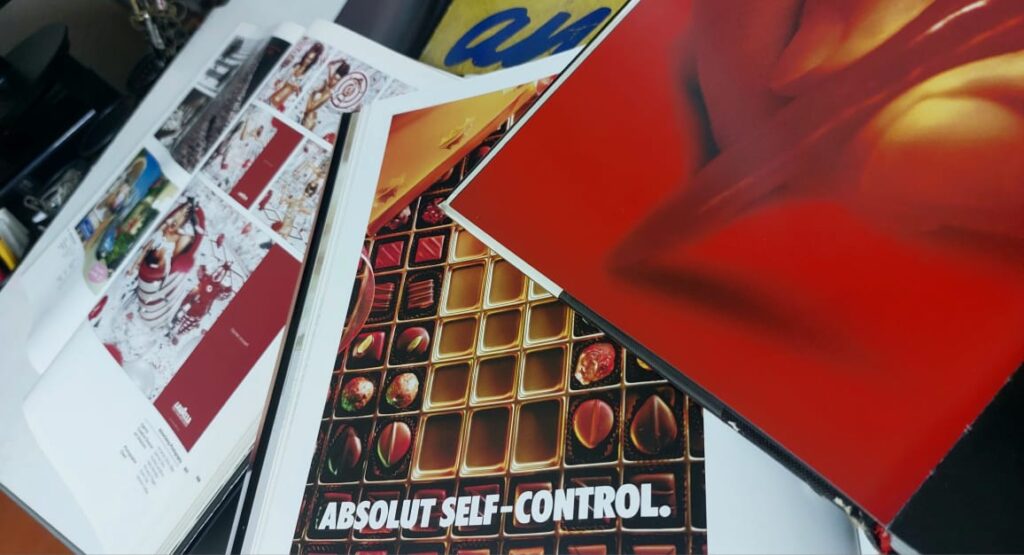
We devoured those books.
An art director might disappear behind one for an hour and emerge with an idea. Not, hopefully, the idea in the book. Something triggered by it.
A strange visual connection. A headline inspired by a photograph. A completely unrelated piece of typography suddenly opening another door.
That is how inspiration works. It seldom knocks politely. It climbs through the kitchen window.
Every new annual arriving at Bloomingdale became an event. Pages were flipped. Work was admired. Work was attacked.
“This won?” “Wah. Bloody simple.” And inevitably: “Why can’t our clients let us do something like this?”
That sentence probably deserves recognition as advertising’s longest-running international anthem. But the books did something more important. They established standards.
Somewhere, somebody was thinking harder, writing sharper, designing better and having the courage to remove one more unnecessary element from the layout.
They were silent provocateurs sitting on our shelves. Then the internet arrived. Initially, we treated it like another useful piece of office equipment.
Nobody realised it had come to eat the building. Slowly, the annuals were opened less frequently. Inspiration migrated from shelf to screen.
The entire creative world suddenly became available instantly. Something extraordinary had been gained. But something disappeared too. Serendipity.
Google gives you what you search for. Books sometimes give you what you never knew you needed. There is a difference.
By the time Bloomingdale closed in 2016, those magnificent books had become beautiful dinosaurs. Then came the difficult question.
What the hell do you do with hundreds of books containing thirty years of your creative life? I couldn’t throw them away.
These books had sat beside us through pitches, deadlines, lost accounts, celebrations and those miraculous presentations when clients approved Concept A without requesting that we make the logo bigger.
They contained fingerprints of art directors who had moved on, coffee stains left by forgotten copywriters, arguments over typography and memories nobody had deliberately recorded.
My home library had no space. So I did what humans have done with beloved possessions since civilisation began.
I put them in somebody else’s storeroom. A generous friend agreed. And there the Bloomingdale library went into exile.
For years, the books slept. Then one day my friend understandably needed his storeroom back.
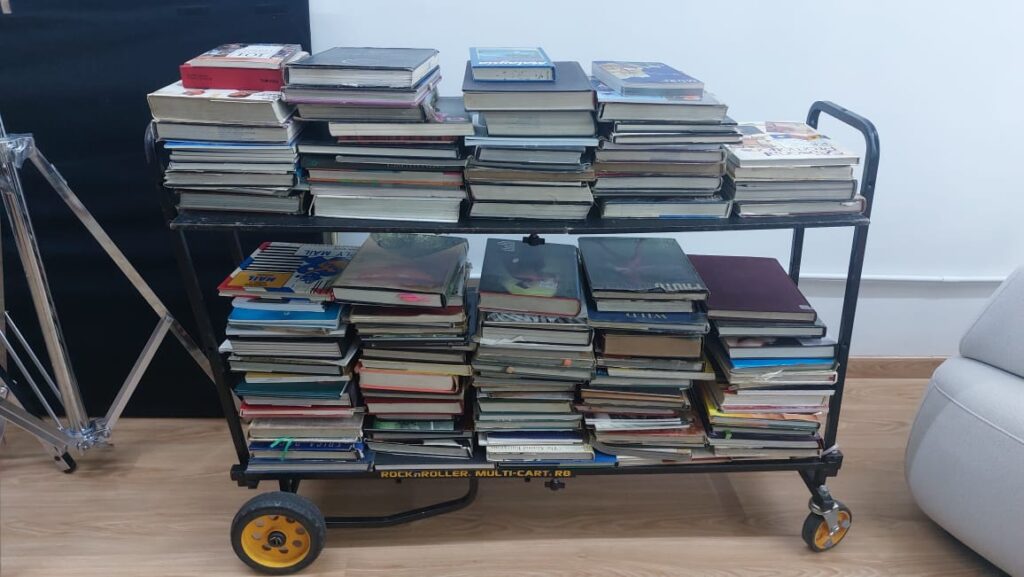
Suddenly I was again faced with hundreds of kilograms of advertising history and nowhere to put it. I messaged former Bloomingdale colleagues. Anyone interested? Mostly silence. Fair enough.
People move on. Houses become crowded. Old advertising annuals are wonderfully nostalgic until somebody tells you there are forty boxes to carry.
Then came Ryo. My former Art Director. He said he would take them. All of them.
Not because he desperately needed hundreds of obsolete advertising reference books. He understood something deeper.
These books were Bloomingdale.
Ryo wanted to preserve them as a legacy of the agency where he had once worked, believing that perhaps one day they might become precious again.
I loved that thought. Technology has a strange habit of making obsolete things valuable. Vinyl returned. Film photography returned.
People wear mechanical watches less accurate than their phones because accuracy was never really the point. Perhaps someday a young creative raised entirely on screens will open one of our annuals from 1989.
“You mean people actually bought these?” Yes. “You couldn’t search them?” No. “How did you find anything?”
You looked.
And perhaps that is what we have lost.
Today we have access to more creative work than anyone in 1985 could have imagined. Every Cannes winner. Every case study. Millions of images. And now AI can produce hundreds of possibilities before an art director finishes his coffee.
But abundance creates its own poverty. When everything is available, nothing feels rare. Those books made us stop. Look. Study. Think.
And ask that most painful and productive question in advertising:
Why didn’t I think of that?
I don’t know where the Bloomingdale collection will ultimately end up.
Maybe one day it will find its way into a design school. Perhaps a young Malaysian creative in 2046 will open one and discover something no algorithm would ever have recommended.
I hope so.
Because Ryo did more than rescue a collection of unwanted books. He rescued a fragment of our creative lives. The internet may have made those books obsolete.
But it could never make them meaningless. Perhaps that is what legacy really is. Not something preserved because it is still useful. Something preserved because, once upon a time, it mattered. And to us, it mattered enormously.