CAN TRUTH BE WELL TOLD IN A CLIMATE OF FEAR?
Some conferences teach. Some conferences network. Some conferences gently rearrange the furniture in the same old room and call it transformation.
The 15th Malaysian Marketing Conference 2026 did something else. It walked into the room, looked Malaysian marketing in the eye, and asked a question many people have been avoiding….
When did we become so cautious?
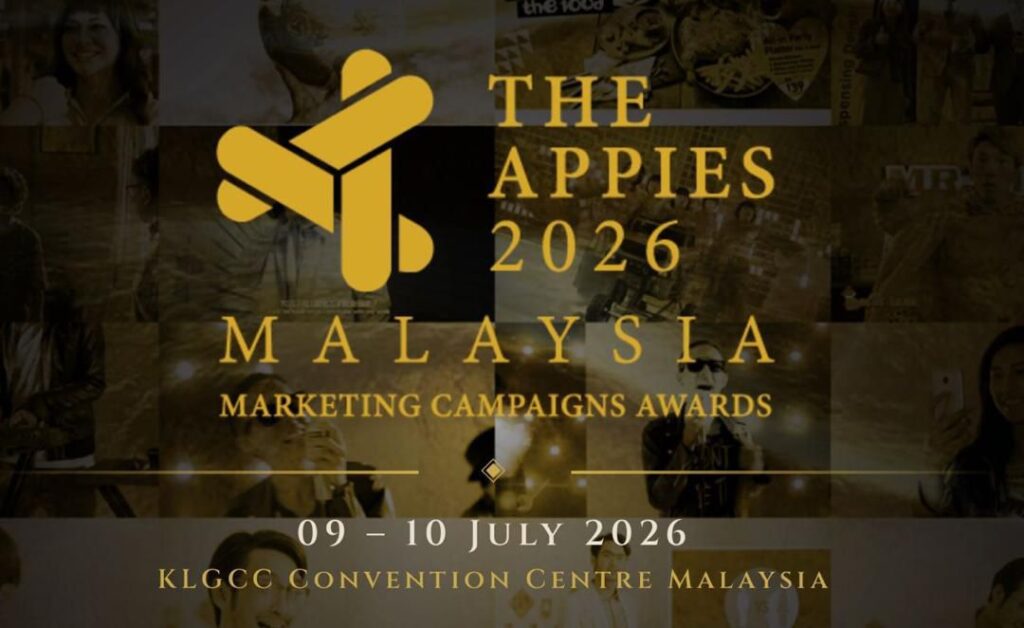
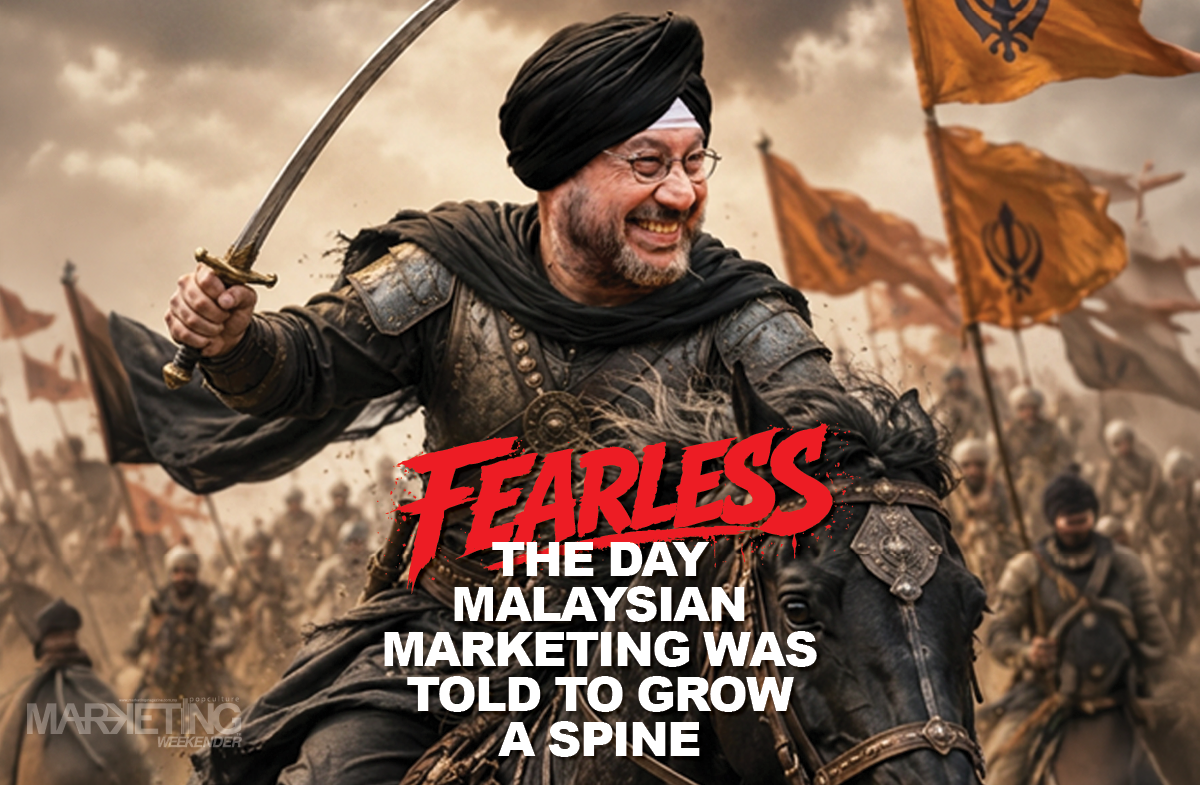
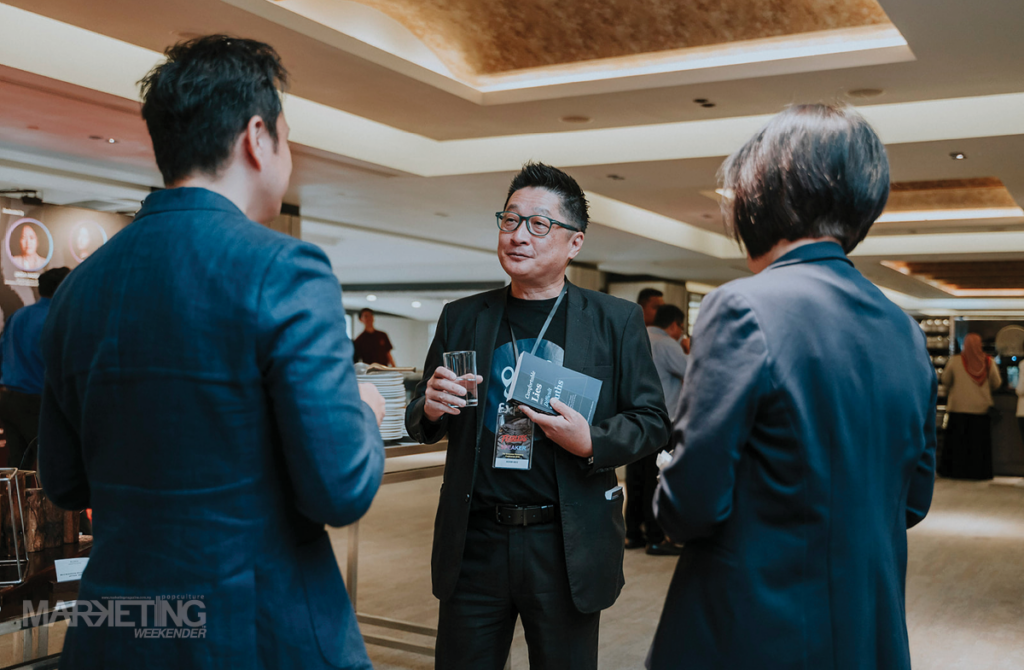
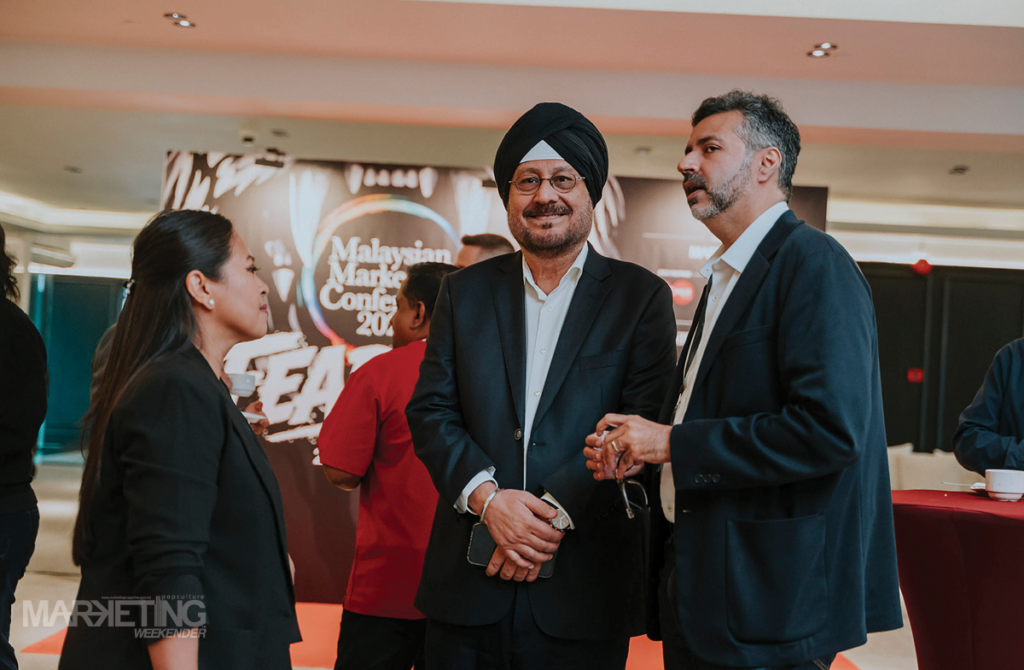
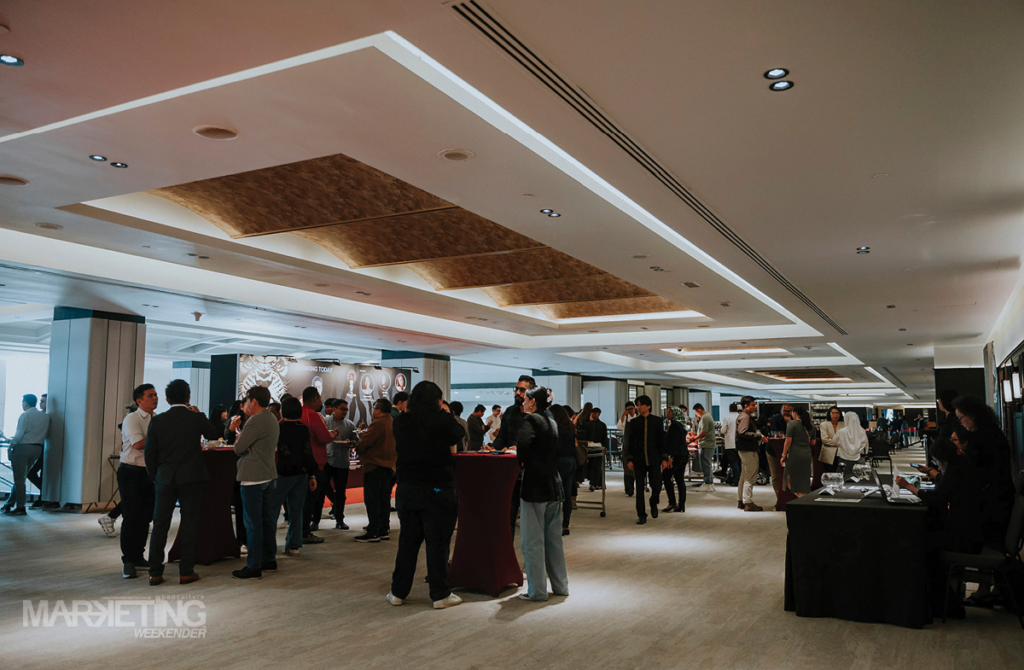
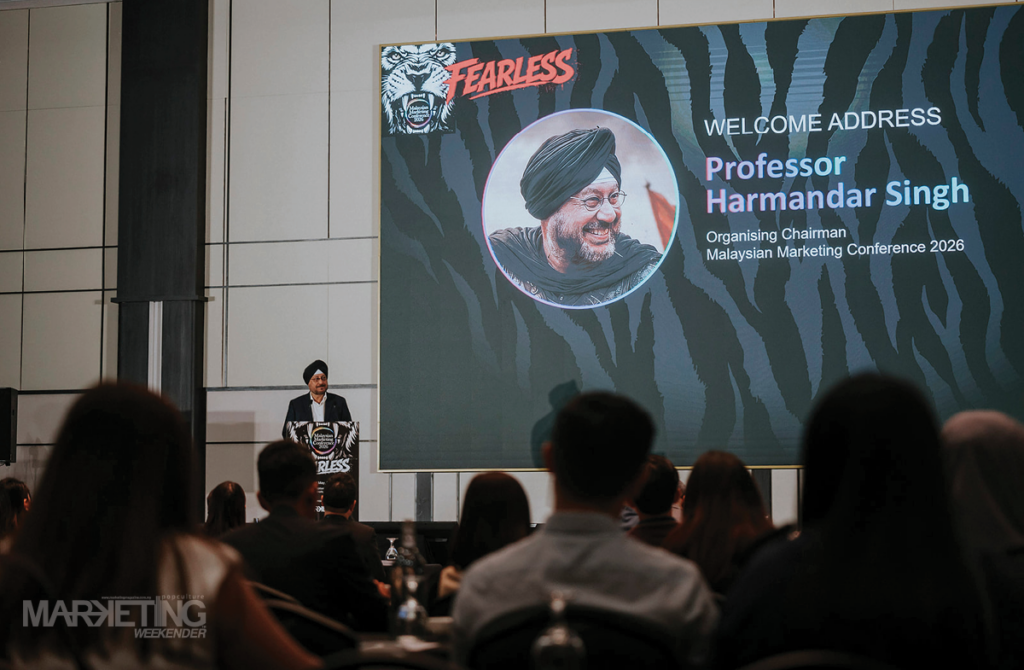
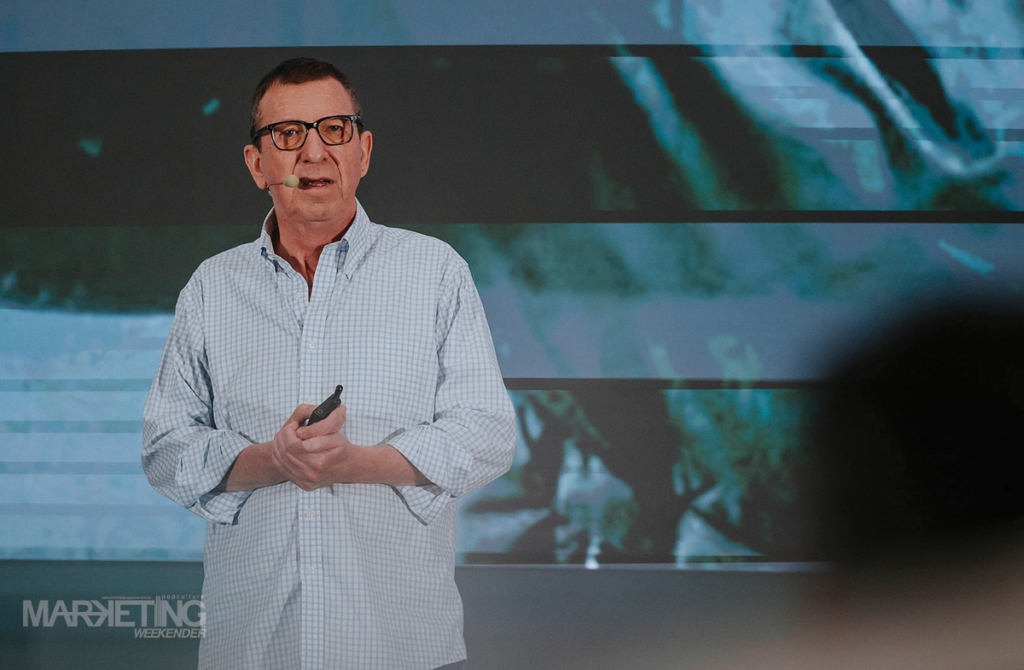
Held on 21 May at the KLGCC Convention Centre, the 15th edition of the Malaysian Marketing Conference carried one word on its chest: FEARLESS.
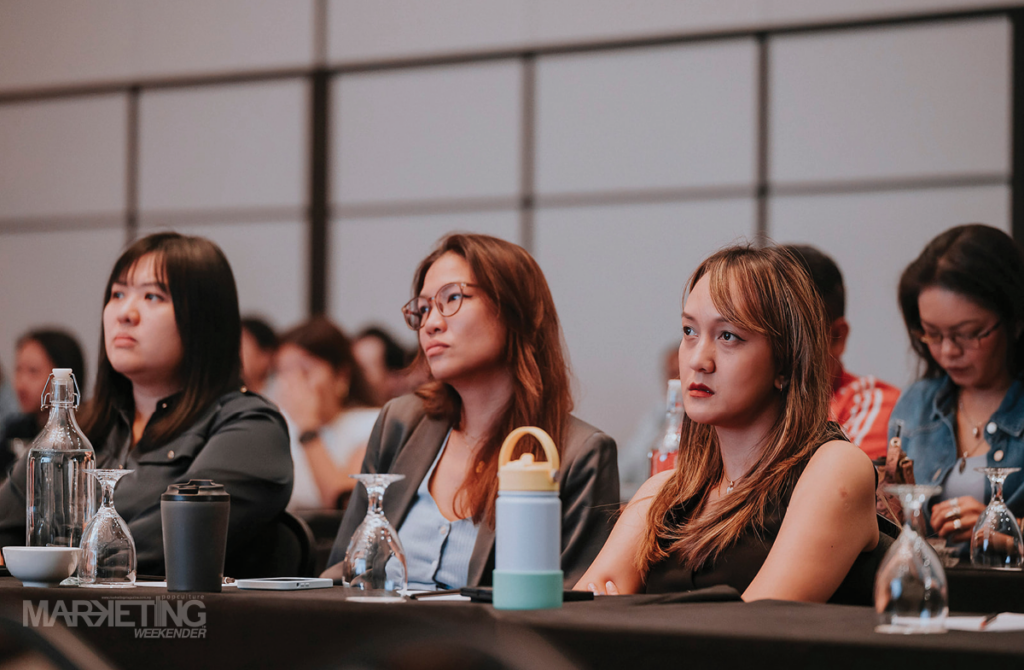
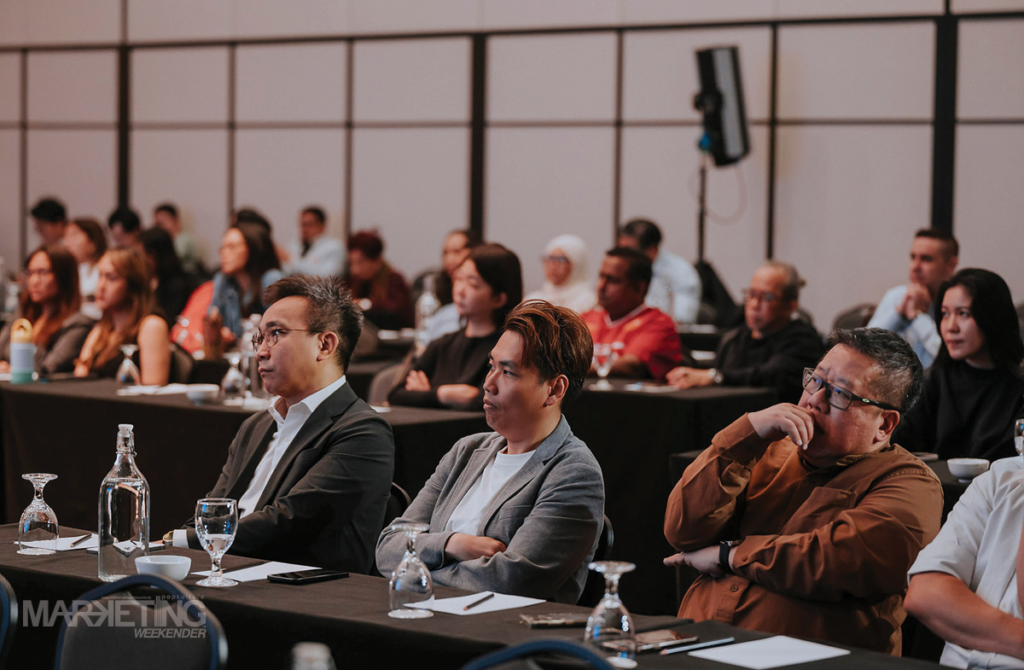
Not as decoration. Not as motivational wallpaper. Not as the kind of conference theme that looks brave on a lanyard but behaves cautiously on stage. This was a challenge.
The official conference introduction defined FEARLESS as “the refusal to play small, speak in sanitised slogans, or let consensus dilute every decision into something forgettable.”
It called for sharp intent over vague messaging, outcomes over optics, and integrity over convenience. It was aimed at leaders who would rather be respected than merely liked, precise rather than popular, and brave enough to make hard choices early instead of manufacturing excuses later.
That definition mattered because the industry has become expert at sounding intelligent while often saying very little.
Marketing today has dashboards, automation, AI, attribution models, media tech, martech, adtech, social listening, optimisation loops, predictive tools and enough acronyms to sedate a boardroom.
And yet the oldest problem remains. Can we say something true? That question sat under every session.
The day opened in a world that feels unsteady. Political uncertainty. Trade tension. Nervous consumers. Cautious boards. Budget pressure. Agency consolidation. Loyalty that can no longer be taken for granted. An ecosystem where everyone talks about transformation, while quietly asking procurement for another extension, another discount, another miracle.
In this climate, the safe response is to become more careful. The conference argued the opposite. This is exactly when marketers must become sharper. Not louder. Sharper.
Sharper in thought. Sharper in language. Sharper in who they serve. Sharper in what they refuse to become.
AI has entered the room. Now what?
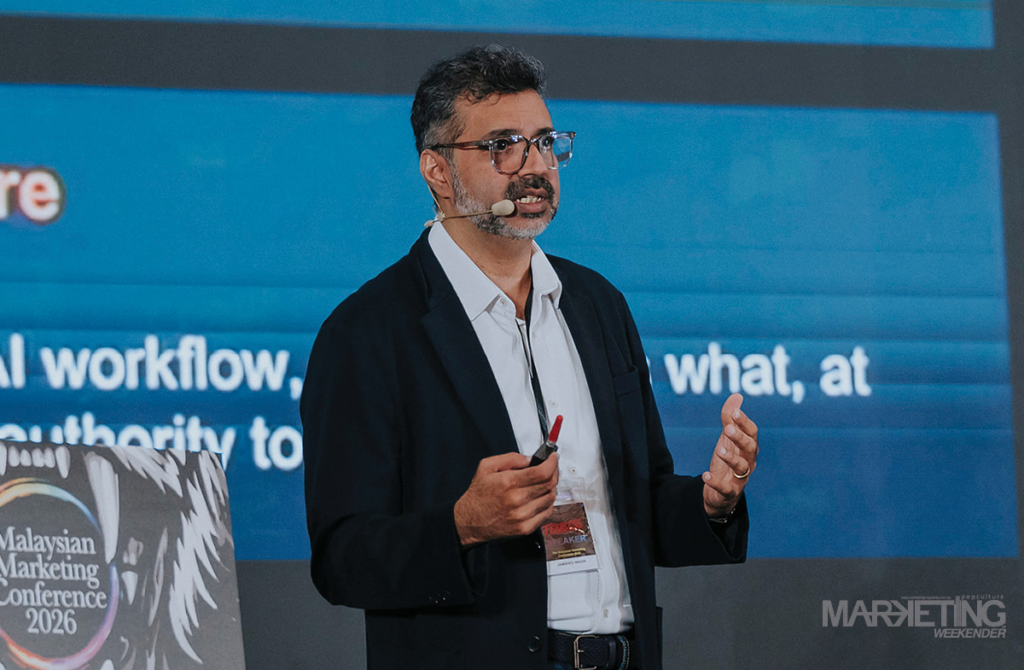
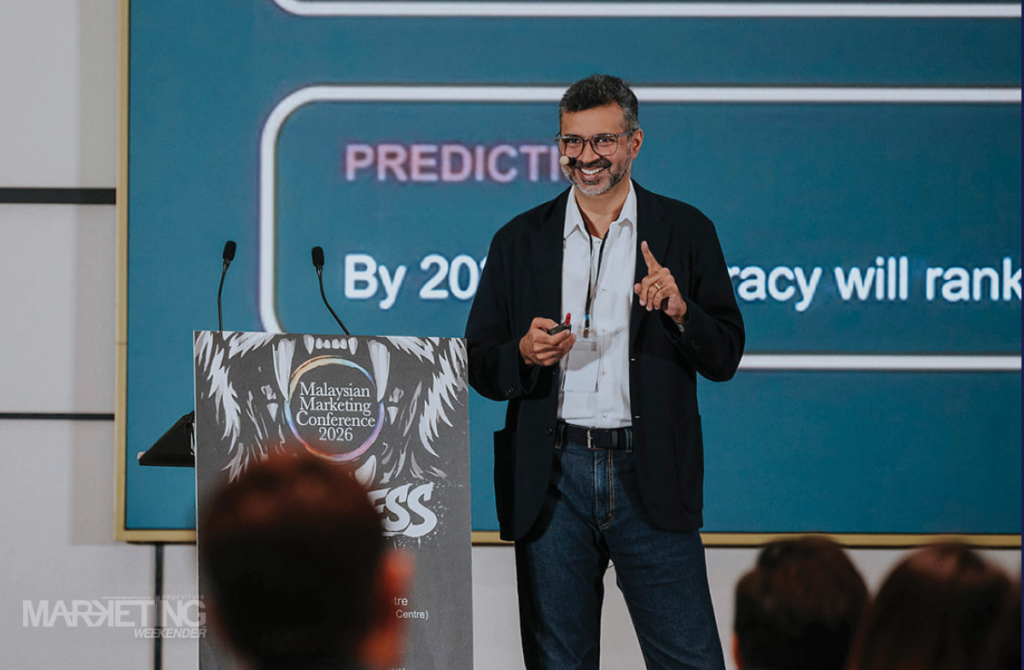
Jamshed Wadia, Founder of AIdeate Solutions, opened the day with Fearless Marketing in the AI Era. His role was not to worship the machine. It was to put the machine in its place.
The programme framed his session around the need to use AI without losing brand truth, build trust as data rules tighten, and turn speed and automation into real advantage. The blunt lesson was simple: lead with truth, not tools. Win with better decisions, not more content.
That is the conversation marketers need now.
Because AI is no longer coming. It is already inside the workflow, polishing the mediocre, multiplying the average, and helping every brand sound like every other brand with slightly better grammar.
It writes. It edits. It plans. It predicts. It designs. It presents.
But it cannot care. It cannot carry judgement. It cannot feel when a brand is lying to itself.
It cannot understand the smell of fear in a client meeting when the brave idea is about to be killed by someone who says, “Let’s make it more inclusive,” when what they really mean is, “Let’s make it harmless.”
Jamshed’s session sharpened one of the day’s central tensions. AI may increase speed, but speed without truth is just faster rubbish. Automation without judgement is organised confusion. More content is not the same as more meaning.
The fearless marketer of the AI age will not be the one who uses the most tools.
It will be the one who still knows what not to publish. Creativity has become too well-behaved
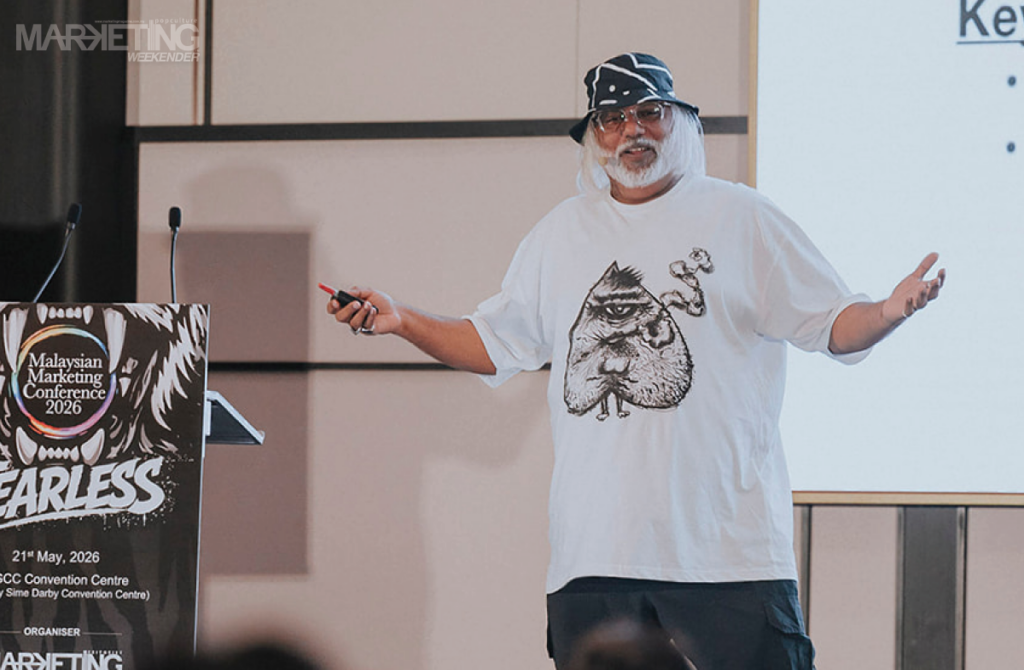
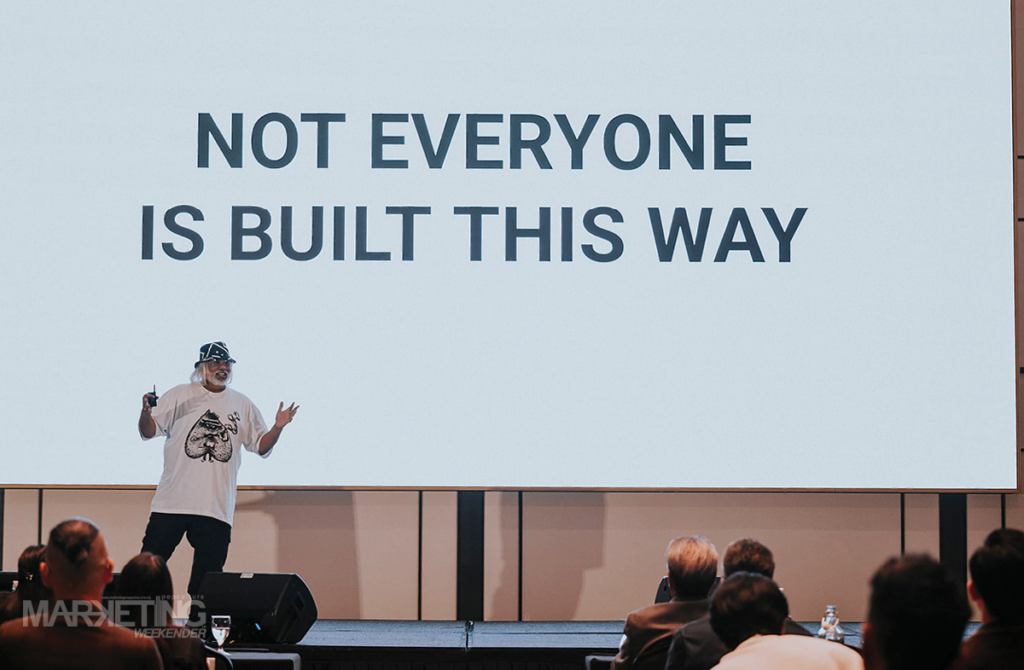
Then came VJ Anand, Founder and Chief Experiment Officer of Ballsy, with a session that did not arrive politely.
His deck began with the kind of provocation most agencies now avoid unless the client has left the room. “Everyone’s so worried about losing their jobs,” it declared, that “the industry has lost its ball.” His agency name itself was positioned as a filter. Ballsy exists to rock the boat, provoke tension and challenge an industry “dying of politeness.”
The language was raw. The point was serious. Safe creativity is killing memory.
VJ’s argument was not that brands should behave like attention-starved vandals. He drew a line between trolling and stirring. Trolling is cheap and hollow. Stirring is calculated, cultural and designed to build conversation. Great creativity, his deck insisted, requires friction.
That distinction is crucial. Provocation without purpose is noise. But purpose without provocation often becomes corporate wallpaper.
Too much work today is born already dead. It has been researched into politeness, approved into shape, softened by committees, polished by nervousness and finally released into the world with all the emotional force of a lift notice.
It offends nobody. It excites nobody. It threatens nobody. It moves nobody.
VJ’s message was a slap at this culture of approval. Stop asking for permission to be remembered. Find your voice. Know your purpose. Know the line. Own the reaction.
The industry likes to talk about bravery at award shows. Ballsy asked whether it still has the appetite to practise it on Monday morning.
The future is already inside the machine
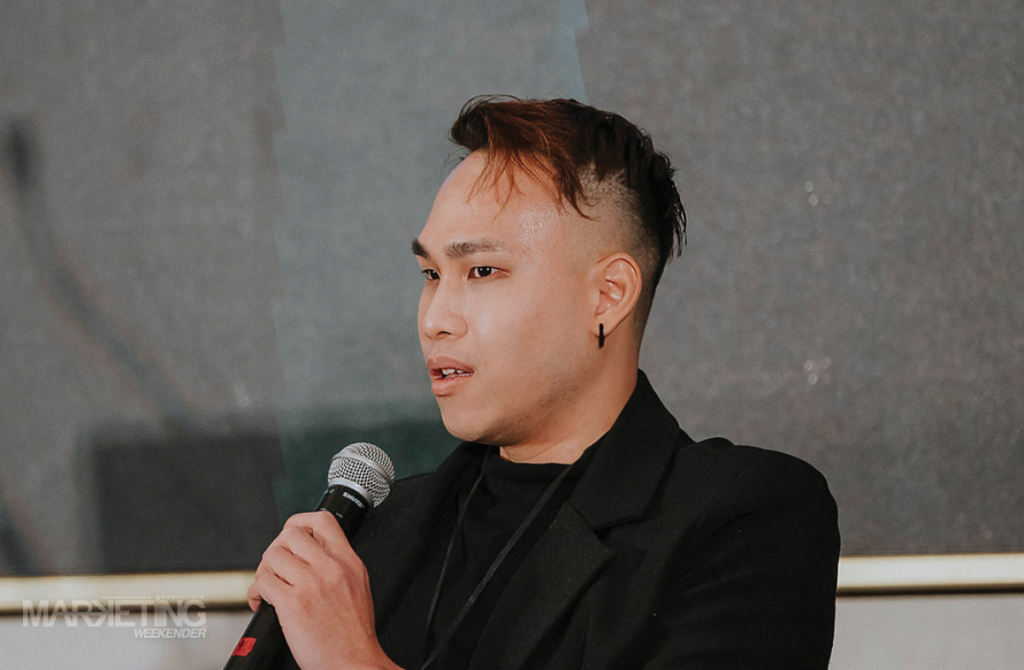
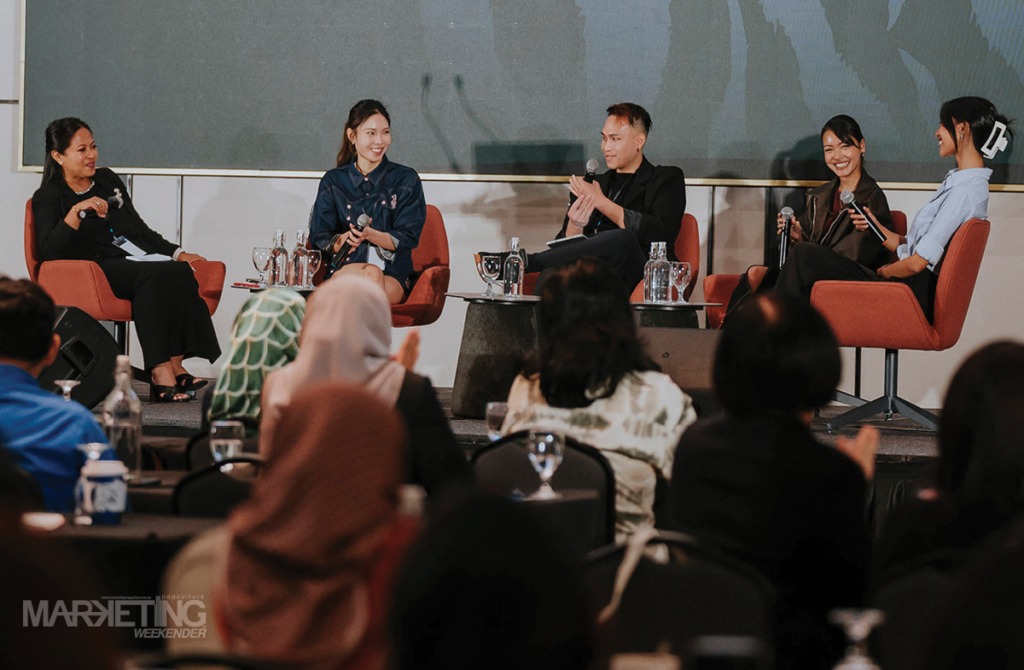
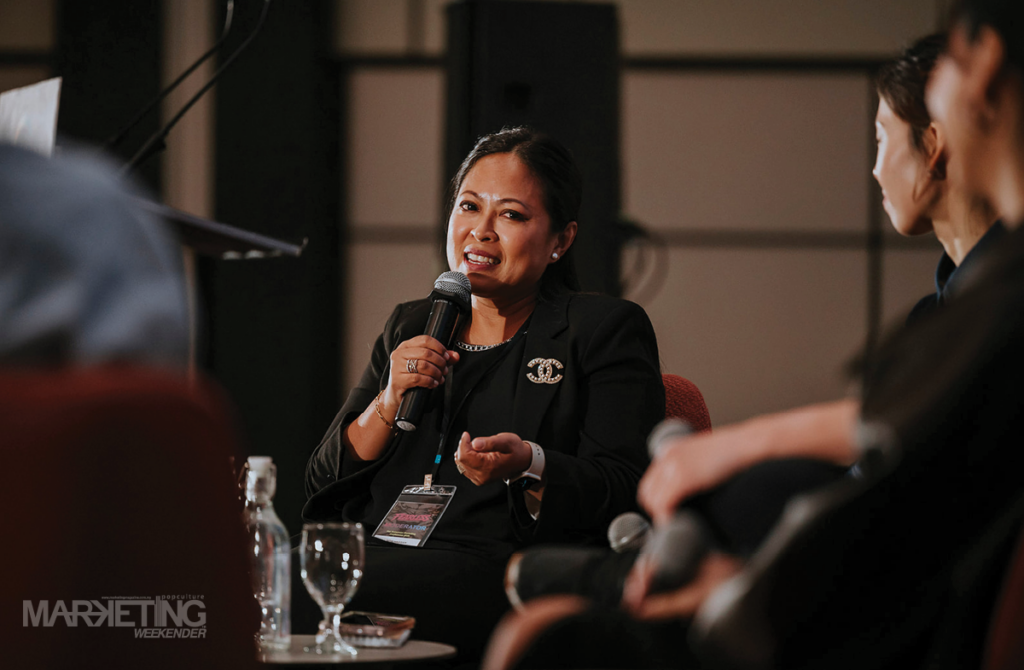
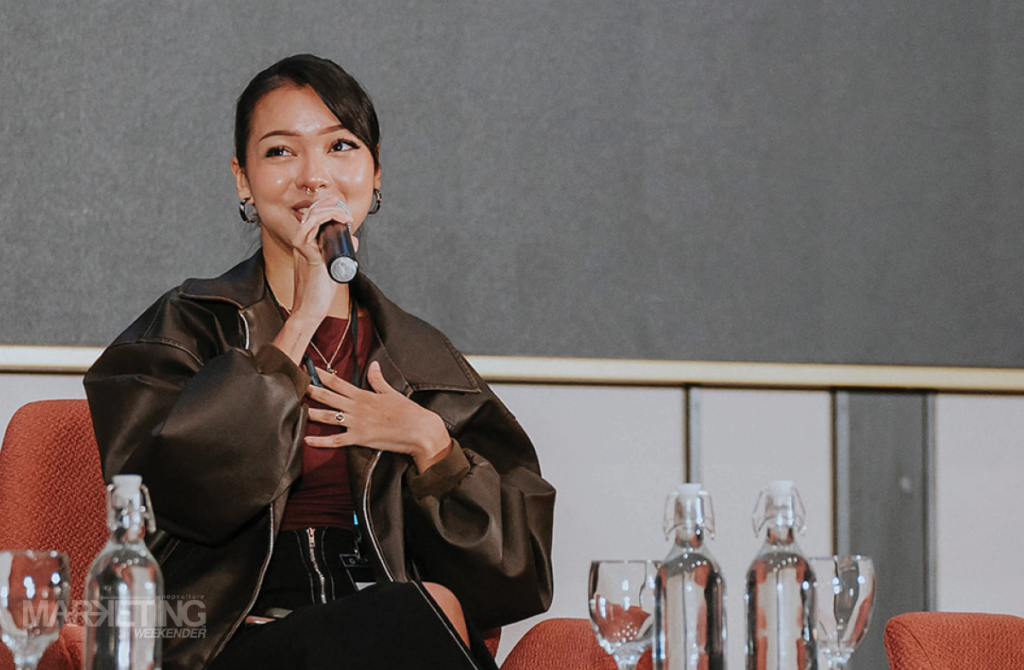
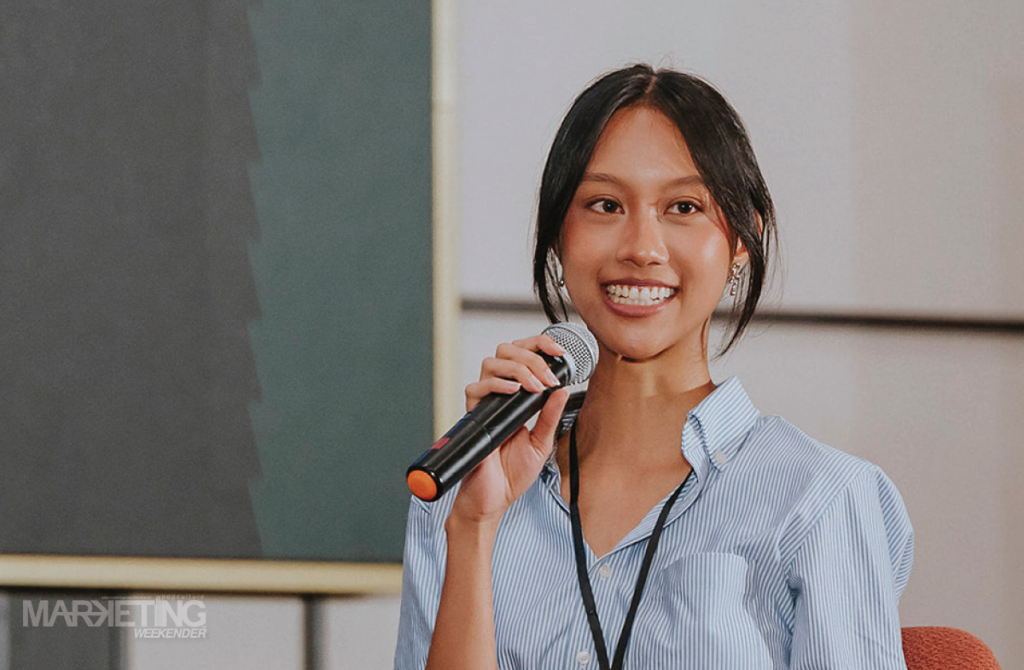
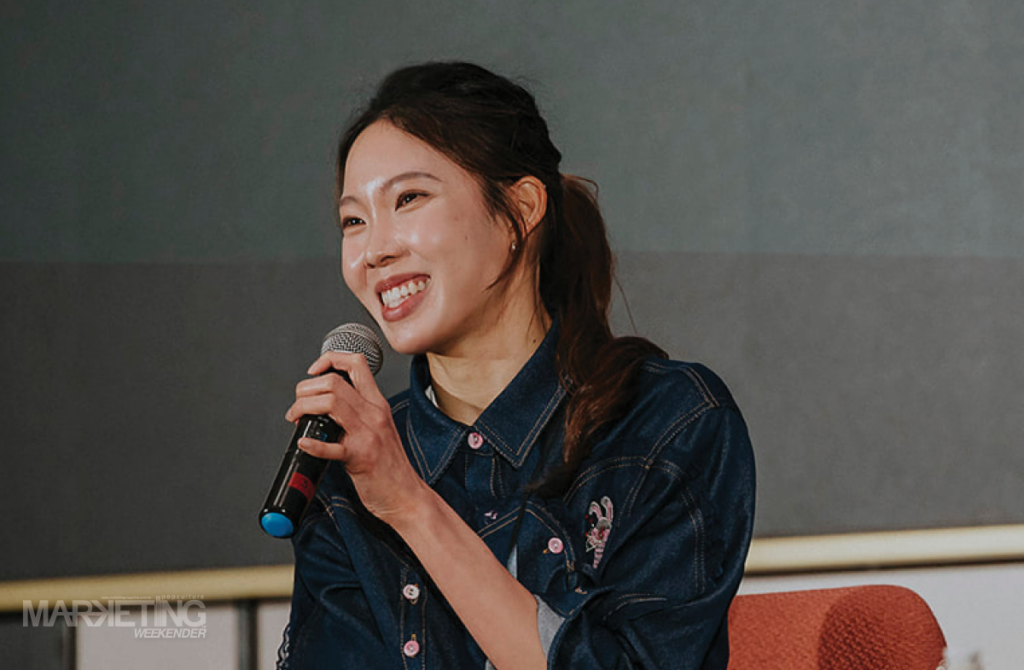
The morning then shifted into The NexGen Show presents The Fearless Four, moderated by Linda Hassan, former Group CMO of Domino’s Pizza Malaysia and Singapore and a celebrated Malaysian CMO of the Year.
On stage were Mia Goh, Oliver Chong, Anson Goh and Amira Mahathir, four young practitioners from a generation no longer waiting for the industry to hand them permission.
This session mattered because fearlessness is not only a senior leadership issue.
It is also a talent issue.
Young marketers today are being asked to understand platforms faster, think across disciplines earlier, manage pressure sooner, and navigate workplaces where the rules are often being rewritten while the work is already due.
Mia Goh’s profile spoke of writing as connection, not simply selling what a brand offers, but understanding what the person needs from the brand. Oliver Chong represented the rise of the converged strategist, where media and creative thinking can no longer sit in separate boxes pretending the consumer behaves according to agency structure.
Anson Goh’s journey from digital marketing executive to regional performance marketing lead at Mars Wrigley showed the speed of modern talent. He represents a generation that often finds itself advising rooms older than itself. Amira Mahathir, shaped by a global upbringing and an unexpected path into advertising, reminded the room that tomorrow’s industry will not be built from neat biographies.
The value of the panel was not that young people are automatically right. They are not. The value is that they are close to the tremors.
They feel platform change before the quarterly report notices it. They understand audience behaviour before it becomes a slide. They live inside the culture that many brands are still paying consultants to decode.
If the industry is wise, it will stop treating young talent as cheap execution and start treating them as early warning systems.
OOH wants its revenge. Out-of-Home also presented a new argument for the performance age…
Paul Low of billups presented Fearless Advertising: Out-of-Home for the Performance Age, attacking the old comfort of blind impressions and empty traffic. His deck asked the question many marketers whisper: a massive board with 50,000 impressions sounds great, but what if those people are not likely to buy your product?
The billups argument reframed OOH through location, audience, moments and measurement. Traffic does not equal attention. A billboard is not just a billboard in Bangsar.
Modern OOH planning must understand viewsheds, dwell time, elevation, obstructions, surroundings, speed, audience cohorts and movement patterns.
This is where OOH becomes interesting again. Not as old media begging for respect.
The billups preso also introduced the role of attention dashboards, weekly updates, AI computer vision analysis and probabilistic footfall attribution. It positioned OOH not as guesswork, but as a medium with an audit trail that can connect real-world attention to measurable outcomes.
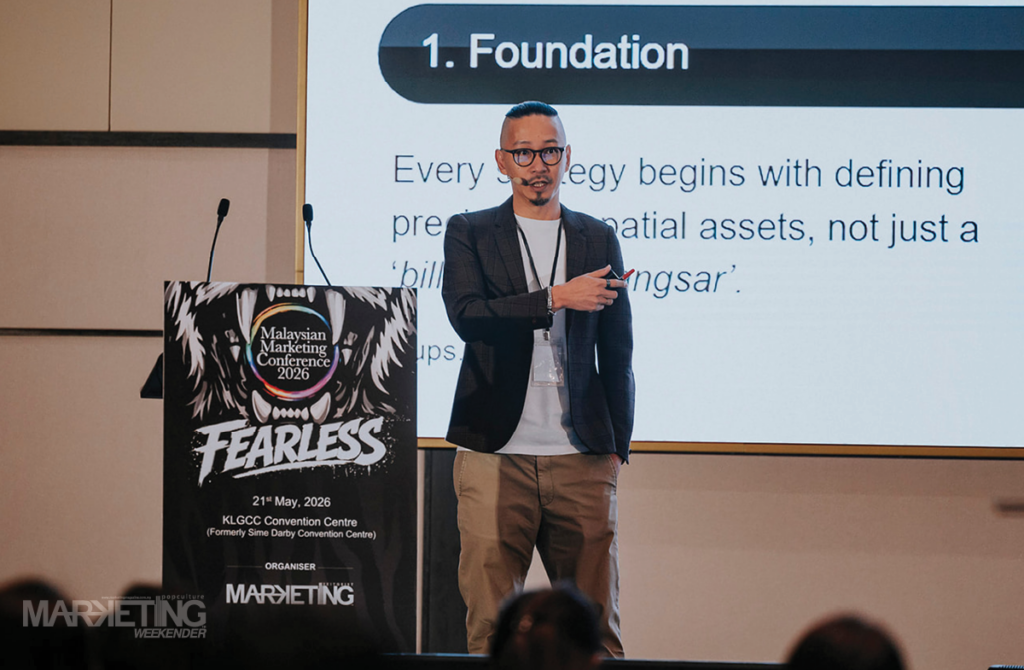
Derek Tan of Moving Walls pushed the argument further through incrementality. His presentation opened with a hard number: only 44 cents of every dollar spent reaches a real consumer, contributing to US$26.8 billion in global media value lost annually. Wasted spend, according to the deck, has increased by 34% in two years.
That should make every CMO uncomfortable. Not because wastage is new. But because the industry has become very skilled at renaming wastage as complexity.
Moving Walls framed the challenge around the connected Malaysian consumer and the need to measure real-world incrementality. Its work with TikTok Out-of-Phone campaigns showed that OOH and social should not be treated as separate planets. The exposed audience data pointed to synergy effects across awareness, association, favourability and consideration.
The best line from that argument was almost philosophical: Invest where people matter, not where measurement is merely convenient. That is a media planning principle worth stealing.
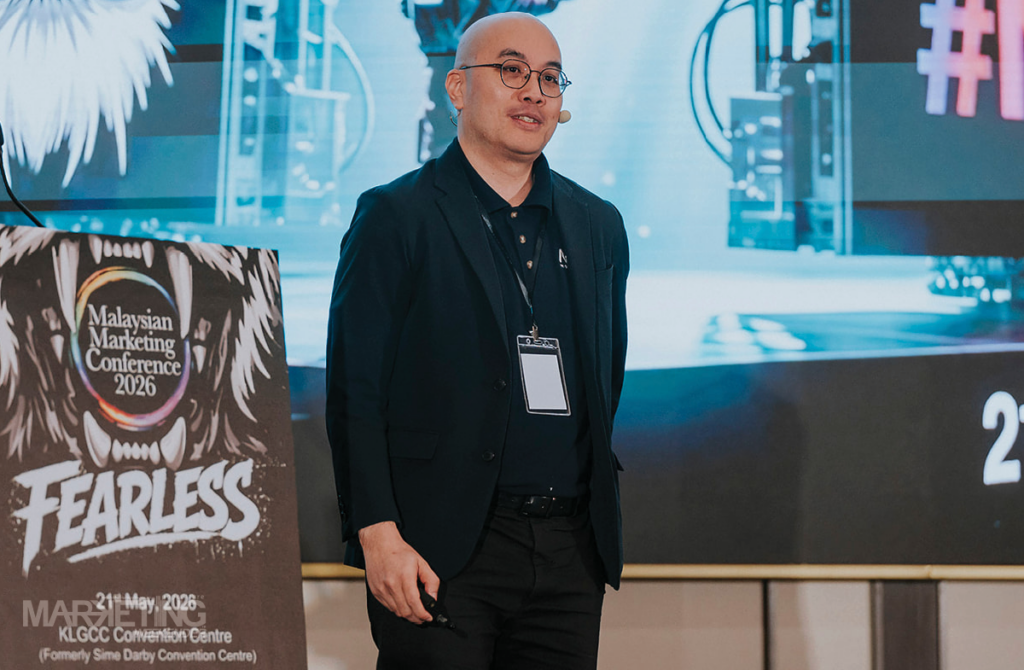
Festive Advertising: Emotion or Formula?
After lunch, the conference returned to one of Malaysian marketing’s most beloved rituals: festive advertising.
The selected screening of the Best Raya and Chinese New Year TVCs of 2026 reminded delegates that festive work remains one of Malaysia’s great emotional battlegrounds.
It is where brands try to enter the home, the family table, the balik kampung journey, the memory of parents, the guilt of children, the comfort of food, the ache of forgiveness and the hope of reunion.
When done well, festive advertising becomes national memory. When done lazily, it becomes emotional karaoke.
The sobbing father. The long road home. The child who forgot tradition. The mother who quietly knew everything. The final meal. The hug. The brand logo arriving like a moral lesson.
The question is no longer whether Malaysian festive ads can make people cry. They can.
The harder question is whether they can still make people feel something fresh. Under The Spotlight, no place to hide
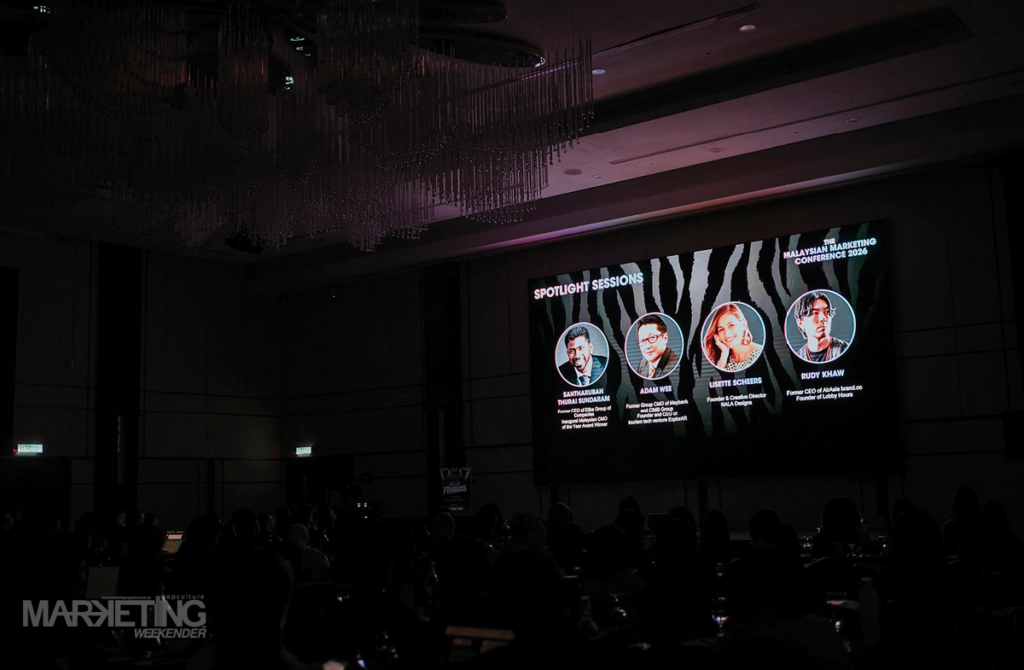
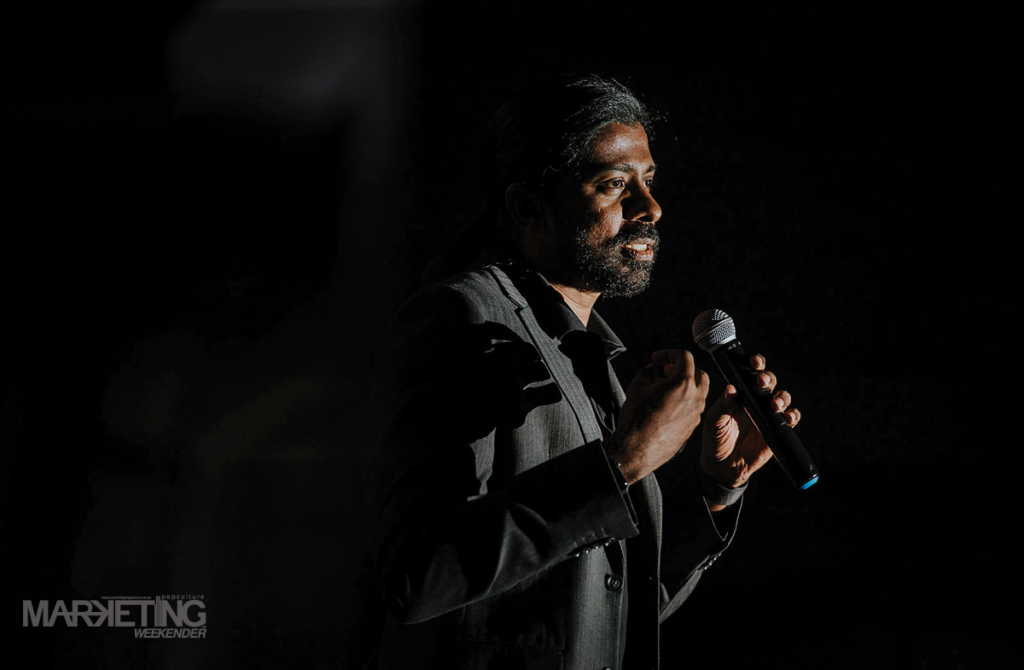
Then came the Spotlight Sessions, one of the sharpest formats of the day. The programme described them as 15-minute rapid-fire Q&A sessions, with three slides each, one powerful spotlight, and questions designed to draw out war stories, career crashes, rants, what they tried, what broke, what it cost, what moved and what survived.
This format matters because marketing leaders are often overprotected by panels. Too many discussions become diplomatic exercises in saying the correct thing with sufficient warmth.
The spotlight format removes some of that armour.
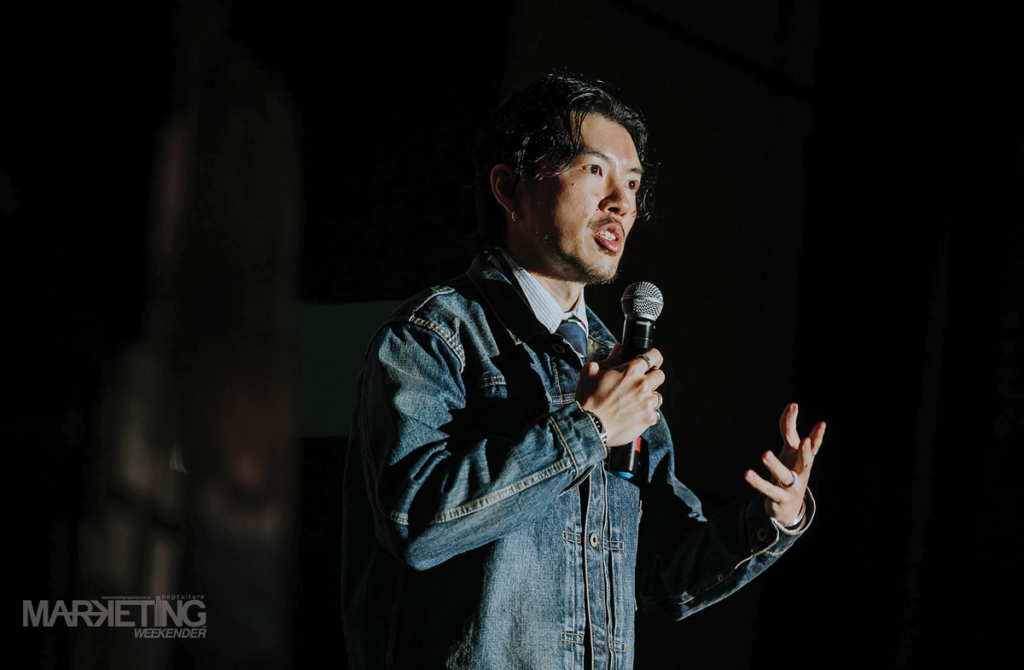
Santharuban Thurai Sundaram, better known as Ruban, brought the perspective of a marketer who understands that brands cannot live only in distribution channels and media plans. As former CEO of Etika Group of Companies, he helped build WONDA, Goodday, Calpis and Mountain Dew while pioneering content-driven models that pushed brands into culture, including a live reality show and Malaysia’s first branded feature film.
Ruban’s story is important because FMCG can easily become a game of shelf space, pricing, promotion and media bursts. He showed another route: make the brand part of cultural conversation. Not by borrowing culture cheaply, but by building formats people actually want to engage with.
Adam Wee brought a different kind of pressure. As former Group CMO of Maybank and CIMB Group, he knows the weight of large institutions, regulated categories, customer trust, technology change and reputation risk. He has worked across financial services, automotive, broadcast, telco and retail, and now leads tourism tech venture ExplorAR.
That move from big-brand boardroom to founder’s room is not cosmetic. It changes the temperature of decision-making. In large organisations, risk is shared, processed and often diluted. In entrepreneurship, risk has your name on it. Adam’s presence offered a useful reminder: bravery looks different when the safety net is gone.
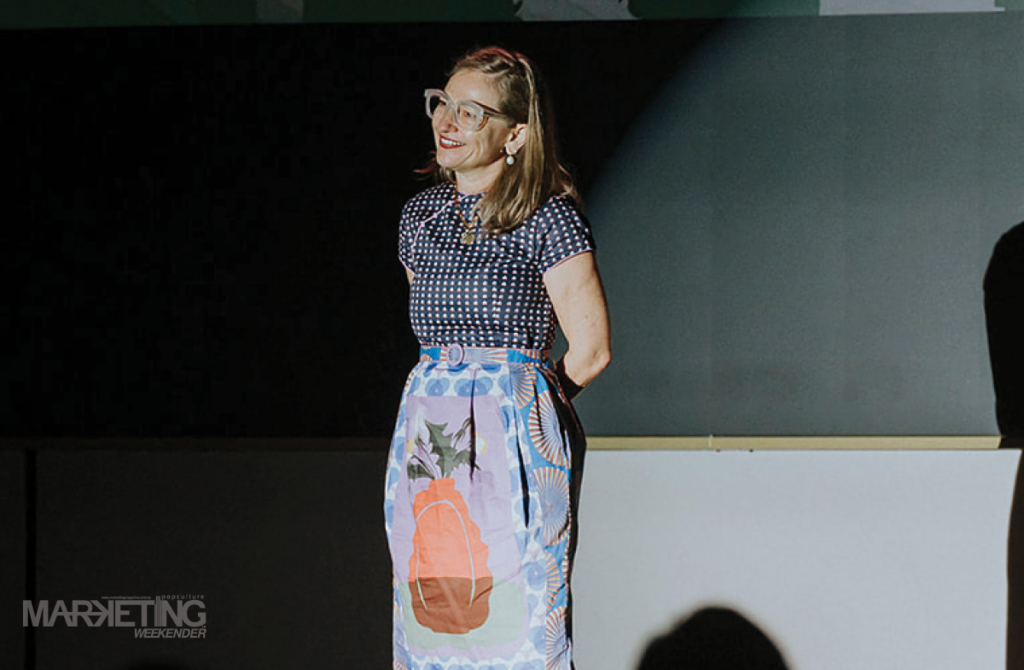
Lisette Scheers, Founder and Creative Director of NALA Designs, brought craft, culture and taste into a marketing world often too obsessed with scale. Her work turns regional heritage and pattern language into contemporary design, proving that culture does not need to be a campaign add-on. It can be the business. It can be the product. It can be the reason people remember.
In a market where many brands chase global polish and end up emotionally anonymous, Lisette’s work argues for rooted distinctiveness. Not nostalgia as costume. Not culture as a decorative border. Culture as commercial memory.
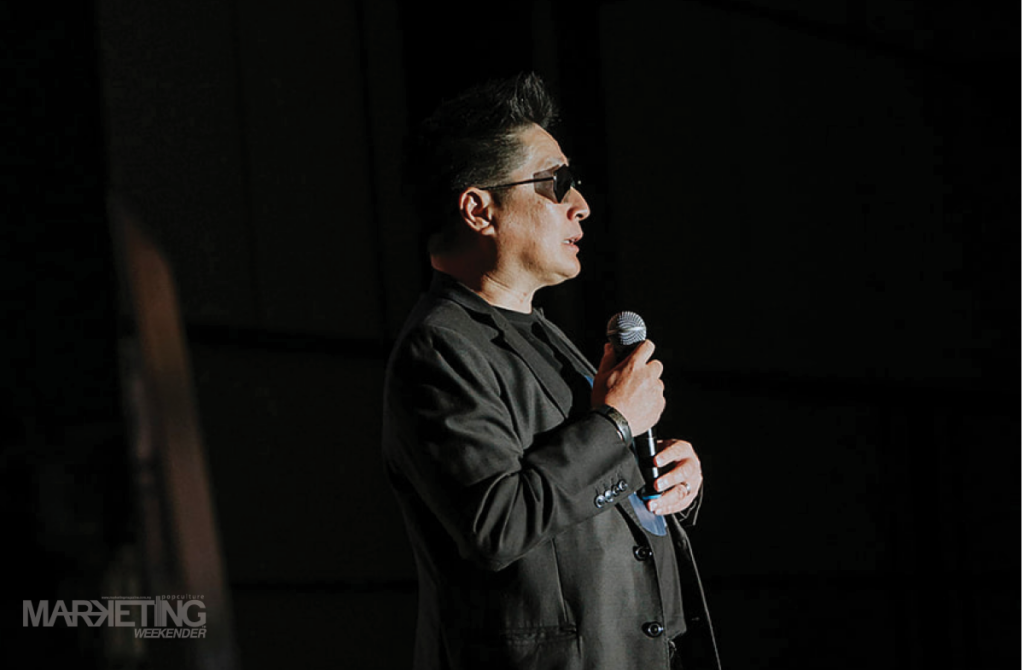
Rudy Khaw, former CEO of AirAsia brand.co and founder of Lobby Hours, brought the pop-cultural muscle. He helped grow the AirAsia brand from an ASEAN airline into a globally recognised name, working across sport, music, entertainment, licensing, IP and youth culture. His view on the metrics-obsessed industry was especially relevant: when everyone chases the same trends and the same performance signals, everyone begins to look the same.
That may be one of the most dangerous truths in marketing now. Data can guide. But if data becomes the only master, taste dies first.
And when taste dies, brands start optimising themselves into invisibility. B2B does not have to be beige.
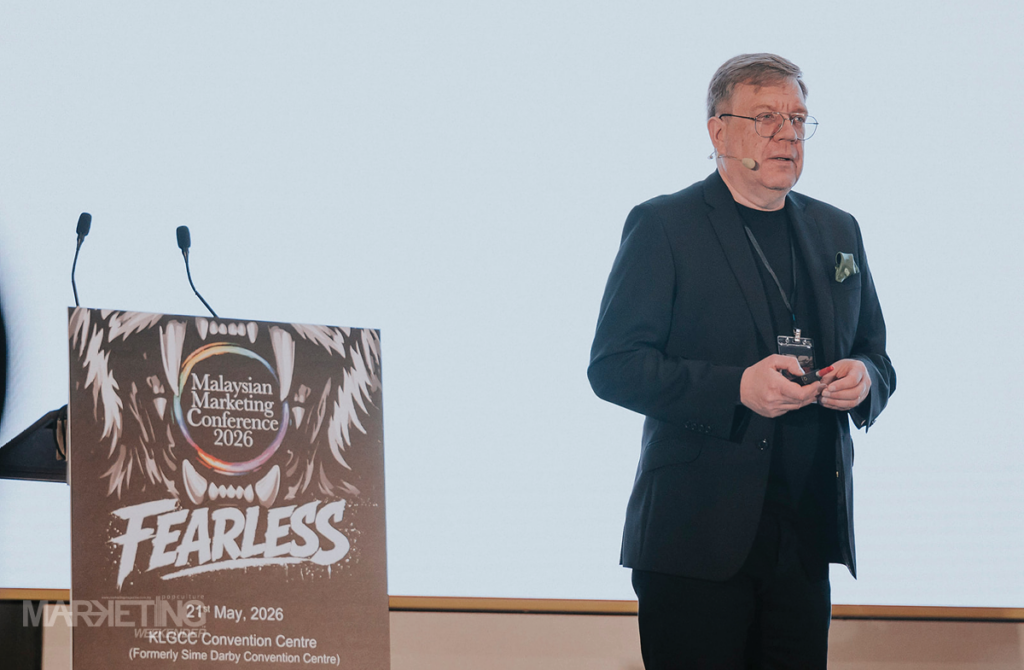
Hando Sinisalu from Estonia then took on another quiet offender: boring B2B.
His session, Fearless, Not Stupid B2B, began with the truth that fear of messing up is the main driver in B2B marketing. And to be fair, that fear is not irrational. B2B buying involves long cycles, large committees, serious risk, internal politics and expensive consequences. His deck noted that 95% of potential customers are not ready to buy today, and that buyers prefer brands they already know and trust.
That means B2B marketing cannot begin when the lead form appears.
By then, the buyer may already have a shortlist.
Hando’s message was that B2B must build fame, trust and usefulness long before demand becomes visible. He also addressed the dark funnel, that awkward part of the customer journey that refuses to fit neatly into dashboards. His advice was practical: speak the language of the CFO and CEO, use self-reported attribution, measure intermediate goals, and align with sales.
The edgy truth is this: many B2B brands are not boring because the category is boring. They are boring because fear has been mistaken for professionalism. They write like committees.
They sell features no one remembers. They hide behind jargon because taking a position feels risky.
Hando’s session reminded the room that even in B2B, humans buy from brands they know, trust and can explain to others without sounding foolish. In other words, fame still matters.
Even when everyone is wearing a lanyard.
The Team Is The Medium.
The final keynote by Chris Jaques brought the day’s theme back to the internal machinery of marketing.
His session, The Science of Fearless Teams, argued that brave work cannot come from frightened teams. His deck drew from military command, aviation, sport and team science, including the case of US Airways Flight 1549, where a crew that had never worked together before performed under extreme pressure because roles, procedures and purpose were clear.
Seven words carried enormous weight in that story: “My Aircraft,” “Your Aircraft,” and “Brace for Impact.” The crew did not need a meeting to break down silos. They knew what to do.
That example landed because business loves to romanticise chaos. But fearless teams are not chaotic. They are clear.
Chris’s deck argued that purpose, SOPs and shared identity make teams fearless. It challenged corporate rituals that waste energy, including excessive meetings, weak brainstorming and device-damaged team quality. The best teams, according to the framework, are bound by belief, values, glue, mission, legacy, enemy and edge.
This was a powerful closing because every marketer wants brave output. But many organisations are designed to kill it. They want bold thinking from people trained to seek approval.
They want speed from teams buried in meetings. They want originality from rooms where no one is allowed to make anyone uncomfortable.
They want fearless work from cultures built on fear. That contradiction is where most marketing ambition goes to die.
The Real Enemy Is Not AI. It Is Cowardice. By the end of the day, FEARLESS had become more than a conference theme.
It had become a diagnosis. The enemy is not AI. The enemy is not TikTok. The enemy is not procurement. The enemy is not the dashboard. The enemy is not even the client. The enemy is cowardice dressed as process.
It is the “let’s be careful” that really means “let’s be invisible.” It is the “can we tone it down?” that really means “can we remove the idea?” It is the “we need more alignment” that really means “we need more people to share the blame.” It is the “best practice” that really means “what everyone else has already done.”
The 15th Malaysian Marketing Conference did not ask marketers to become reckless. Recklessness is easy. Any fool can shout, offend and call it courage.
The conference asked for something harder.
Discipline.
The discipline to hold a point of view. The discipline to know when data is useful and when it is anaesthetic. The discipline to use AI without surrendering judgement. The discipline to make creative work that risks being remembered.
The discipline to make media accountable without making it soulless. The discipline to make B2B human. The discipline to build teams that can tell the truth before the market does. That is the real work.
Because the future of Malaysian marketing will not belong to the brands with the thickest decks, the safest language or the most automated content engine.
It will belong to those with the nerve to mean something. FEARLESS did not end with a neat answer. It ended with a more dangerous question.
When the next hard decision arrives, will Malaysian marketing choose comfort? Or will it finally choose consequence?