Google says it blocked or removed more than 8.3 billion ads in 2025, with more than 99 per cent of policy-violating ads stopped before they were served.
At first glance, that sounds like a victory for enforcement. Look closer, and it also reads like a measure of how much fraud, deception and manufactured credibility is now flooding the digital ad system.
The numbers are striking. Google suspended 24.9 million advertiser accounts last year, including four million linked to scams. It also removed 602 million scam-related ads.
These are not minor clean-up figures. They point to an ecosystem under sustained pressure from people who have learned how easily digital advertising can be used not just to sell, but to mislead.
That pressure is intensifying because the tools are getting better. Google says bad actors are increasingly using AI to create deceptive ads at scale, allowing them to generate copy faster, localise it more easily and adapt it quickly enough to stay ahead of old detection methods.
In other words, this is no longer just a moderation problem. It is an arms race.
For marketers, that matters more than it may first appear.
The real issue is not just that billions of bad ads were caught. It is that so many were attempted in the first place. Each takedown is evidence that enforcement worked. It is also evidence of how polluted the system has become.
The digital ad economy is now fighting for credibility on two fronts. One is familiar: scams, impersonation and misleading claims. The other is newer: synthetic persuasion produced at industrial scale.
That changes the conversation around brand safety. For years, marketers tended to treat safety as a supporting issue, important but secondary to reach, efficiency and return on spend.
That looks less sustainable now.
A campaign may be well targeted and high performing, but if it sits inside an environment where consumers regularly encounter fake offers, financial scams or misleading healthcare claims, trust starts to erode more broadly.
The damage does not always stop with the offending ad. It can spread to the platform and, eventually, to the brands that depend on it.
Google’s report shows where the pressure points are. Among the most frequently restricted categories were financial services, gambling and healthcare, all sectors where the cost of deception is high and consumer vulnerability is real.
Abuse of the ad network, misrepresentation and legal requirement violations also ranked among the biggest removal categories. These are not obscure technical breaches. They sit close to the fault line between persuasion and manipulation.
The regional backdrop makes the story even more relevant. Across Southeast Asia, concerns over digital trust, youth safety and AI-generated content are moving steadily up the agenda.
In Singapore, the Advertising Standards Authority recorded 379 pieces of advertisement feedback in 2025, including seven linked to generative AI. That is more than double the combined total in 2023 and 2024. It is an early sign that AI in advertising is shifting from novelty to scrutiny.
In Malaysia, Meta’s tighter protections for teen users on Instagram reflect the same direction of travel. Platforms are being asked to do more than maximise engagement. They are being pushed to show they can create safer and more accountable environments, especially for younger users.
To be fair, Google says it is improving not only enforcement but accuracy. The company says advances in detection have reduced incorrect advertiser suspensions by 80 per cent, an important point for legitimate businesses.
A safety regime that catches fraud but punishes genuine advertisers too aggressively creates a different kind of trust problem.
Still, the larger message is clear. Verification, identity checks and quicker responses to user complaints are no longer back-office matters. They are fast becoming central to the value proposition of digital advertising itself.
For years, scale was the industry’s proudest advantage. In 2026, it is also its greatest vulnerability. The same systems that allow a genuine business to reach millions can be used by bad actors to mimic legitimacy with frightening ease.
The brands and platforms that stand apart will not simply be those with the smartest targeting or the biggest media budgets.
They will be the ones that still feel believable in an environment where belief itself is under strain.
Share Post:

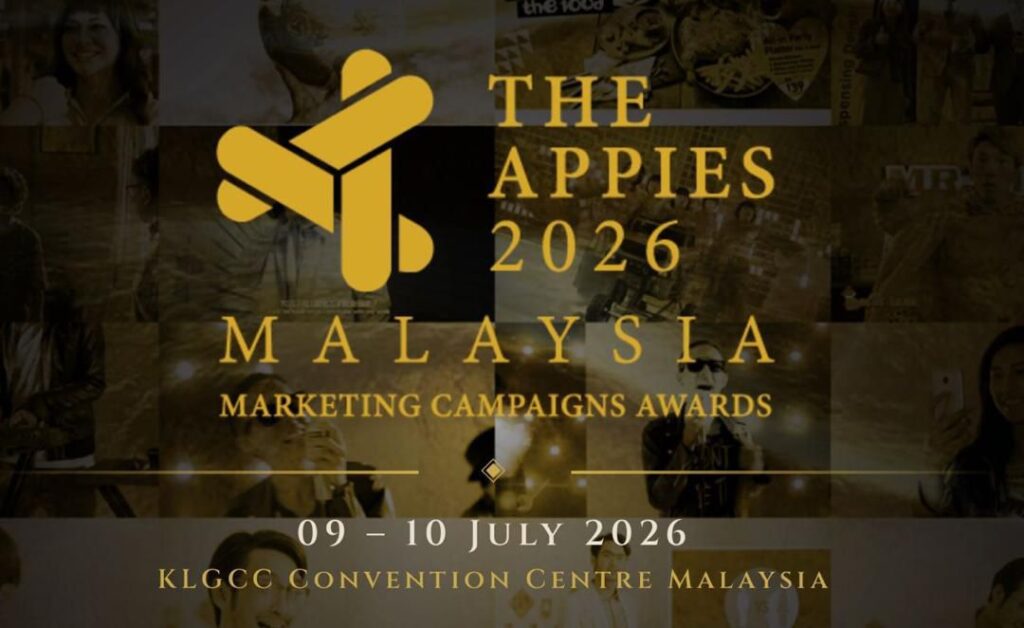
The APPIES is where Malaysia’s boldest campaigns, brightest ideas, and most impactful storytellers take the stage.
More than an awards show, it is the industry’s ultimate platform for creative, media, digital and marketing excellence, where live presentations meet live judging.
This is your chance to showcase work that moved audiences, shaped conversations, and delivered real results.
From breakthrough brand campaigns to innovative digital experiences, the APPIES celebrates the work that defines the future of marketing.
Step into the spotlight alongside the industry’s leading agencies, brands, creatives, strategists and changemakers.
Whether you are aiming for Gold, Silver, Bronze or the prestigious Best of the Best recognition, this is your moment to make history.
Your campaign deserves to be seen.
Your ideas deserve the stage.
Your work deserves the legacy.
KEY DATES
Haven’t subscribed to our Telegram channel yet? Don’t miss out on the hottest updates in marketing & advertising!