By The Malketeer
When a TikTok video showing a can of Gold Coin sweetened creamer with Hebrew writing went viral, it sparked an online uproar — and a wave of boycott calls.
Many Malaysians, unaware of the product’s export context, assumed that Fraser & Neave Holdings Bhd (F&N) had entered the Israeli market.
Clarifying the Confusion
In a swift response, F&N released a public statement explaining that the cans in question were not meant for Israel but for the Palestinian market.
According to the company, the Gold Coin condensed milk was produced specifically for export to Food Collection Co., a customer based in Ramallah City, Palestine.
The inclusion of English, Arabic, and Hebrew on the label was a compliance requirement to meet local market regulations — a multilingual standard across territories in that region.
“F&NHB does not have any business transactions or dealings with Israel,” the company clarified.
“We remain fully committed to respecting local sensitivities and the sentiments of our consumers as we stand in solidarity with those advocating for peace and justice.”
When Misperception Goes Viral
The TikTok clip that triggered the uproar featured a man holding up a Gold Coin can, claiming it had been sent to “negara laknatullah” — a phrase some use to refer to Israel.
While he never named the country directly, the insinuation was enough to ignite a storm of emotion online.
Within hours, the video was reshared thousands of times across platforms, with some users calling for a boycott of Gold Coin and F&N products.
Brand Responsiveness in the Age of Outrage
F&N’s quick and transparent clarification has been widely seen as a textbook example of crisis communication in the age of virality.
The company not only denied any ties to Israel but also thanked the public for raising the matter — a subtle, respectful move that helped diffuse tension while reinforcing its values.
In today’s digital climate, where misinformation spreads faster than facts, such swift and factual engagement is critical.
Brands operating across multiple markets must anticipate linguistic and cultural nuances that may trigger misinterpretations when content or packaging is viewed out of context.
How Sensitivity Shapes Trust
In a world where every can, label, and logo can become a viral flashpoint, F&N’s handling of the Gold Coin episode is a reminder that clarity is the new currency of trust.
Share Post:


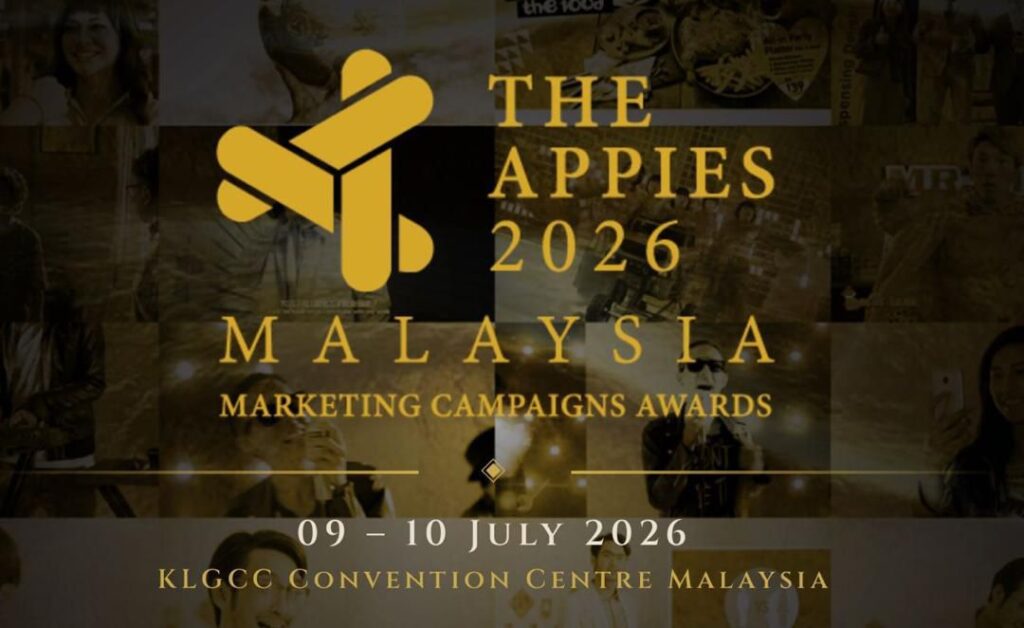
The APPIES is where Malaysia’s boldest campaigns, brightest ideas, and most impactful storytellers take the stage.
More than an awards show, it is the industry’s ultimate platform for creative, media, digital and marketing excellence, where live presentations meet live judging.
This is your chance to showcase work that moved audiences, shaped conversations, and delivered real results.
From breakthrough brand campaigns to innovative digital experiences, the APPIES celebrates the work that defines the future of marketing.
Step into the spotlight alongside the industry’s leading agencies, brands, creatives, strategists and changemakers.
Whether you are aiming for Gold, Silver, Bronze or the prestigious Best of the Best recognition, this is your moment to make history.
Your campaign deserves to be seen.
Your ideas deserve the stage.
Your work deserves the legacy.
KEY DATES
Haven’t subscribed to our Telegram channel yet? Don’t miss out on the hottest updates in marketing & advertising!