In Bangkok, there is a familiar sight repeated thousands of times a day. A motorcycle taxi rider pulls up. A helmet hangs patiently from the handlebars. The passenger glances at it, hesitates, then climbs on without wearing it.
For years, road safety campaigns have treated this moment as a problem of awareness or irresponsibility. Honda and Dentsu Thailand think otherwise.
Instead of asking why people ignore safety, the pair asked a more uncomfortable question: What if passengers actually have a valid reason?
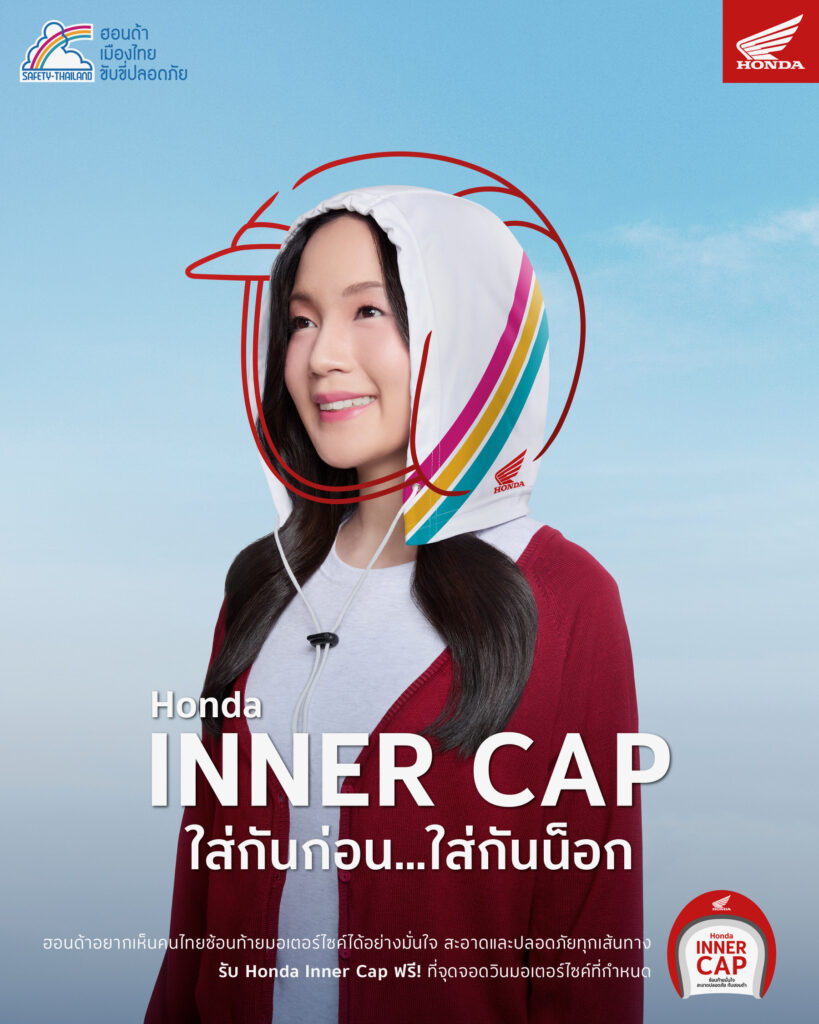
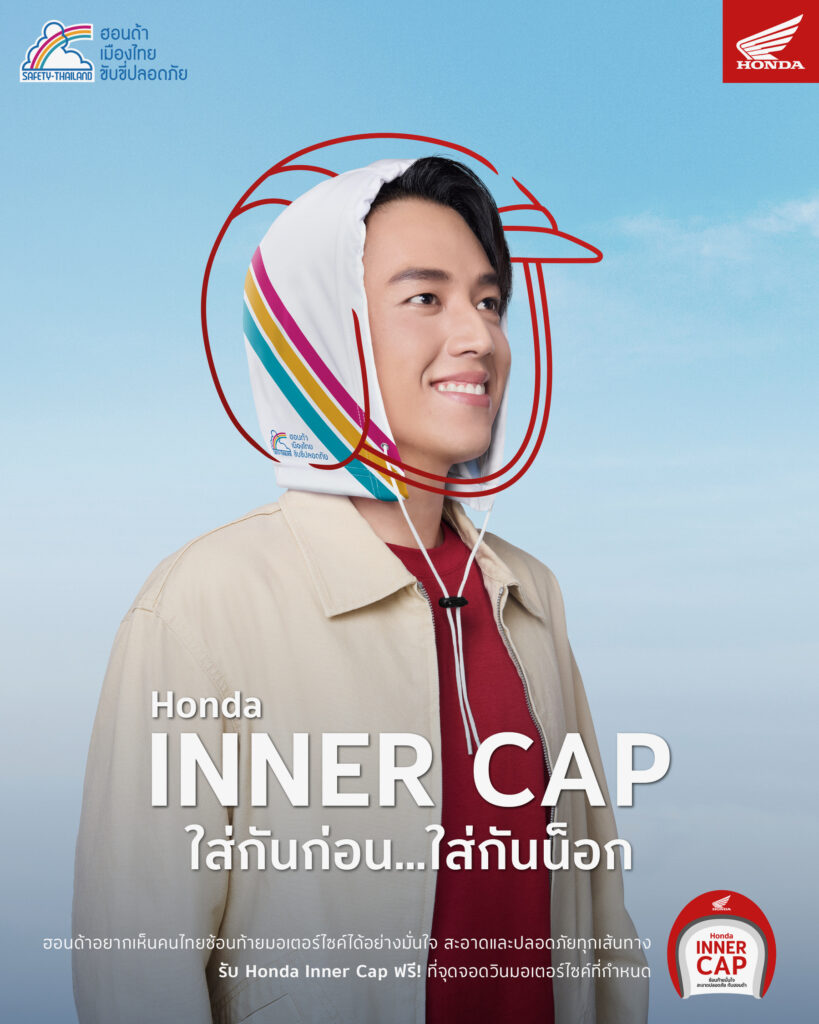
Their answer arrives in the form of a deceptively simple campaign called Honda Inner Cap, a hygiene-focused liner designed to be worn underneath shared helmets.
The insight is startlingly human: passengers were not avoiding helmets because they did not care about safety, but because they did not want to wear something touched by dozens of strangers before them.
In marketing circles, this is the difference between preaching behaviour change and removing friction.
The Problem Was Never the Helmet
Thailand’s motorcycle taxi ecosystem is enormous. Roughly 150,000 riders move millions of commuters across congested urban centres daily. Yet despite the risks, many passengers continue riding bareheaded.
Statistics paint a grim picture. Nearly all motorcycle passenger fatalities occur without helmets. But numbers alone rarely change behaviour.
What Dentsu Thailand uncovered during interviews and field immersion was something far more revealing. Shared helmets had quietly become a hygiene issue.
Think about it. Bangkok’s tropical humidity. Sweat. Dust. Dozens of heads using the same helmet every day. Suddenly, skipping protection feels less reckless and more rational.
Rather than judging the behaviour, Honda and Dentsu chose to design around it. That decision may be what elevates this campaign from CSR effort to smart behavioural marketing.
A Tiny Product With Outsized Behavioural Power
The Inner Cap is almost laughably simple. A lightweight hygienic liner worn under the shared helmet.
No expensive technology. No dramatic reinvention of safety gear. Just a practical fix to an overlooked objection.
Distributed free between February and May 2026 at motorcycle taxi hubs around Bangkok, the caps are placed exactly where decisions happen: the few seconds before a passenger climbs aboard.
That precision matters.
Behavioural science has repeatedly shown that timing often beats persuasion. People rarely make decisions in ideal conditions. They decide when hurried, distracted, and rushing somewhere.
Honda’s intervention meets commuters precisely at that messy moment. Instead of saying, “You should wear a helmet,” the campaign quietly removes the excuse not to.
Road Safety, Rewritten From the Back Seat
Perhaps the smartest aspect of the campaign is where it chooses to focus attention.
Road safety advertising has historically centred on riders. Riders must drive safely. Riders must wear helmets. Riders must obey traffic rules.
But passengers? They are often treated as secondary characters in the story. Honda and Dentsu shifted the camera. The passenger became the protagonist.
This marks the second consecutive year the partnership has explored overlooked vulnerabilities from the back seat.
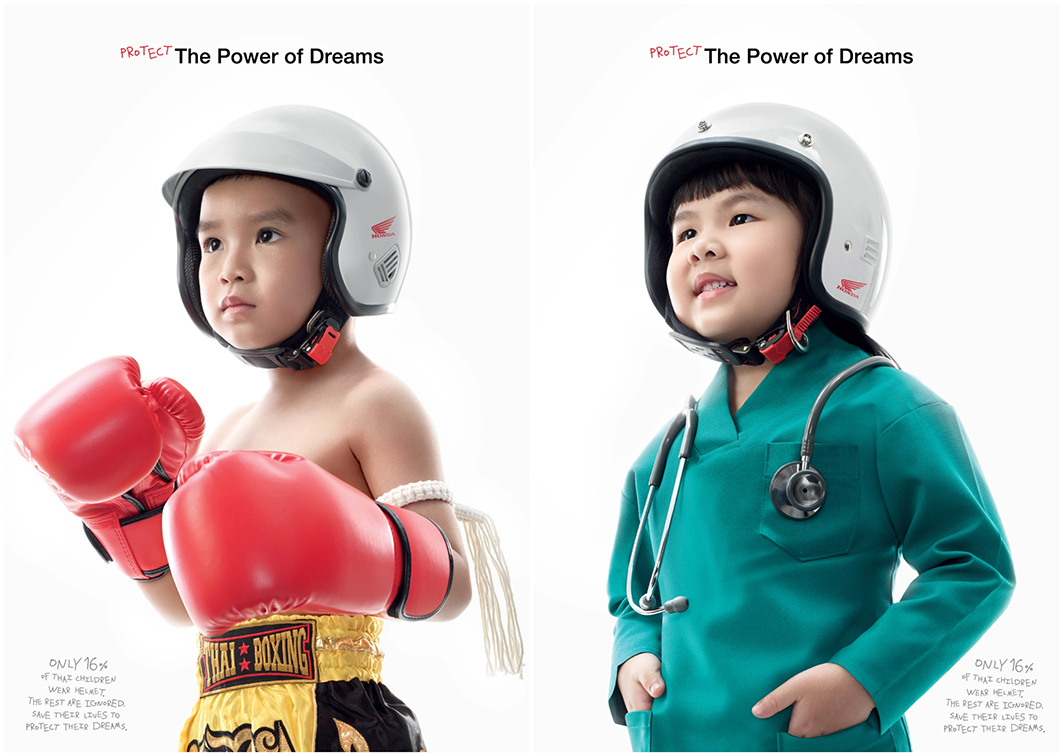
In 2025, the duo launched “PROTECT The Power of Dreams,” a Thai Children’s Day initiative spotlighting child passenger safety.
The Inner Cap extends that logic to adults. Different audience. Different barrier. Same principle. Real behaviour changes when marketers stop shouting and start listening.
When Observation Beats Assumption
There is a useful lesson here for marketers far beyond mobility brands. Too often, campaigns are built around assumptions about why people behave badly. Consumers are lazy. Stubborn. Uninformed.
But the strongest behavioural work tends to uncover something less dramatic and more human. People are often willing to do the right thing. The problem is that reality gets in the way.
A form too long. An app too confusing. A checkout too slow. Or, in Bangkok’s case, a sweaty helmet shared by strangers.
The brilliance of Honda Inner Cap lies in its humility. It does not attempt to reinvent road safety. It simply removes one small but meaningful obstacle.
That may sound unglamorous in an industry obsessed with spectacle, but increasingly, the best ideas are not louder.
They are smarter. Sometimes, safer behaviour starts with understanding why a perfectly good helmet stays hanging on the handlebars.