When a smartphone brand in China jokes that a mother has “two husbands”, it is not just social media users who react. The government steps in too.
That is precisely what happened to OPPO this week after an online Mother’s Day campaign spiralled into a national conversation about morality, marriage, advertising boundaries and the growing anxiety over China’s shrinking population.
The now-deleted Weibo post read: “My mother has two ‘husbands’, one is my dad, the other is seen twice a year.”
The second “husband” referred jokingly to a celebrity crush. But in modern China, even a throwaway gag can collide with state sensitivities. What followed was unusually swift and severe.
Provincial propaganda authorities publicly condemned the campaign, warning brands against “mistaking offence for creativity”.
China’s advertising trade bodies piled on. Within days, OPPO announced that senior executives and marketing managers had been “severely punished” for crossing what it called “the bottom line of mainstream societal values”.
For marketers across Asia, the episode is less about one controversial line and more about the increasingly fragile terrain brands are navigating in China today.
The Joke That Hit a National Nerve
On the surface, the advertisement looked harmless enough.
In many Asian households, celebrity obsession has long been part of pop culture humour. The campaign itself reportedly aimed to portray more modern, relatable mothers, including women who indulge in fandom culture.
But timing matters. China is currently confronting one of the sharpest demographic declines in its modern history. Birth rates have plunged.
Marriage registrations continue to fall. Authorities have spent the past few years aggressively promoting family values, marriage and childbirth as matters of national importance.
Against that backdrop, even a cheeky line implying emotional infidelity suddenly becomes politically radioactive.
The numbers explain the sensitivity. China recorded only 1.7 million marriages in the first quarter of this year, down another 6.2 per cent compared to the same period last year.
This is no longer merely a social issue. It is an economic concern, a workforce concern and increasingly, a political concern.
Creativity Meets Control
For advertisers, the larger question is unsettling.
How do brands stay youthful, humorous and culturally relevant when governments are tightening expectations around morality and public messaging?
Chinese brands, especially tech and lifestyle players, have spent years trying to sound more human, playful and internet-native. That tone has helped companies connect with younger consumers exhausted by polished corporate speak.
But the OPPO incident reveals how quickly humour can become a liability when national narratives shift. In many markets, outrage cycles are typically driven by consumers.
In China, regulators themselves can become active participants in cultural conversations. That changes the risk equation entirely.
A joke that might pass unnoticed in Bangkok, Kuala Lumpur or Seoul can suddenly trigger official condemnation in Beijing.
For regional marketers watching closely, the warning is clear: cultural nuance alone is no longer enough. Political nuance matters just as much.
The New Age of “Safe Creativity”
Ironically, some Chinese social media users found the backlash absurd. “I’m dying laughing,” one popular Weibo comment reportedly read.
Another sarcastically remarked that OPPO had only just realised many of its phones were bought by husbands or boyfriends anyway.
That disconnect between official reaction and public amusement reflects a growing tension in modern Chinese advertising.
Consumers increasingly crave authenticity, humour and emotional realism. Authorities, meanwhile, want messaging that reinforces social stability and traditional values.
The result is a narrowing creative corridor where brands must constantly second-guess not just audiences, but ideological interpretation. For agencies, copywriters and CMOs, this creates an exhausting balancing act.
Campaigns are no longer evaluated solely on engagement, virality or brand lift. They are also assessed against invisible cultural tripwires that can shift overnight.
Why Asia’s Marketers Should Pay Attention
The OPPO episode may have unfolded in China, but its implications travel well beyond Beijing.
Across Asia, governments are becoming more sensitive to social narratives involving family, gender roles, religion and national identity. Brands are discovering that what once counted as edgy humour can now be reframed as cultural irresponsibility.
At the same time, audiences still expect brands to entertain, provoke and feel emotionally current. That contradiction is becoming one of the defining tensions in Asian marketing today.
The challenge for marketers is no longer simply how to stand out. It is how to stay human without stepping into ideological quicksand.
Because in 2026, the most dangerous line in advertising may not be the offensive one. It may simply be the misunderstood one.
Share Post:
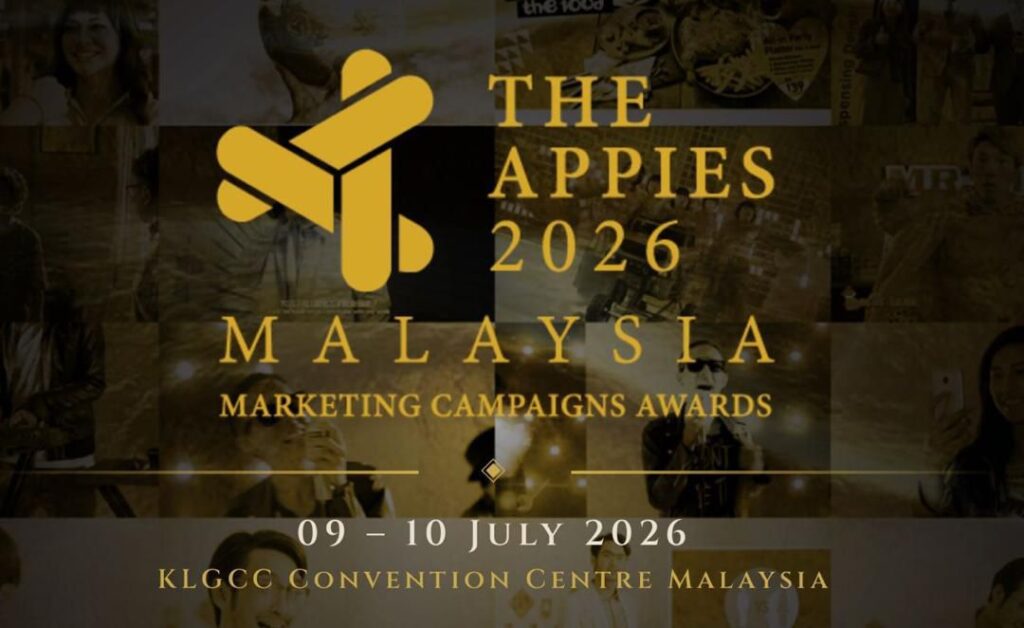
The APPIES is where Malaysia’s boldest campaigns, brightest ideas, and most impactful storytellers take the stage.
More than an awards show, it is the industry’s ultimate platform for creative, media, digital and marketing excellence, where live presentations meet live judging.
This is your chance to showcase work that moved audiences, shaped conversations, and delivered real results.
From breakthrough brand campaigns to innovative digital experiences, the APPIES celebrates the work that defines the future of marketing.
Step into the spotlight alongside the industry’s leading agencies, brands, creatives, strategists and changemakers.
Whether you are aiming for Gold, Silver, Bronze or the prestigious Best of the Best recognition, this is your moment to make history.
Your campaign deserves to be seen.
Your ideas deserve the stage.
Your work deserves the legacy.
KEY DATES
Haven’t subscribed to our Telegram channel yet? Don’t miss out on the hottest updates in marketing & advertising!