When Adidas unveiled a £450 (RM 2,400) marathon shoe weighing less than a bar of soap, the internet did what the internet always does. It gasped. It argued. It accused.
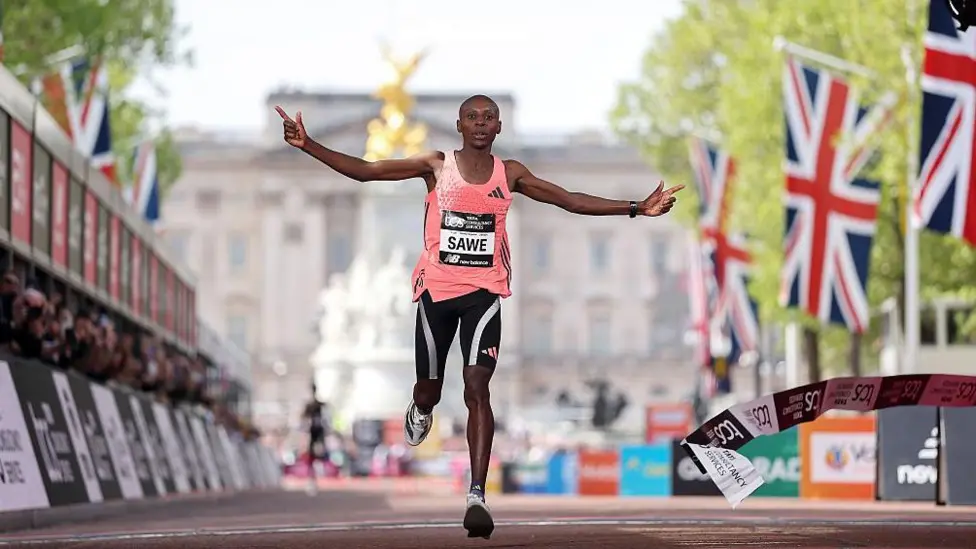
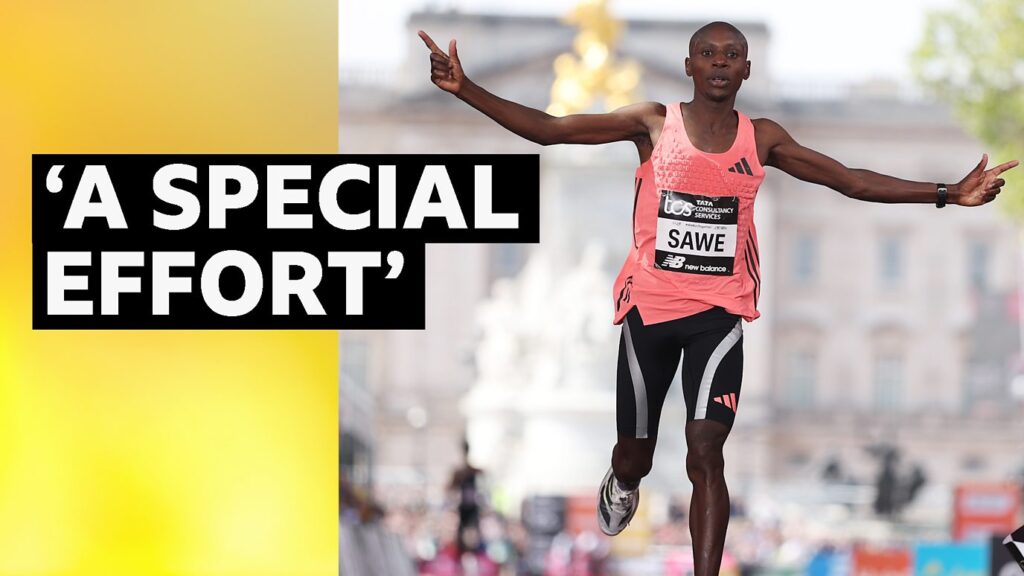
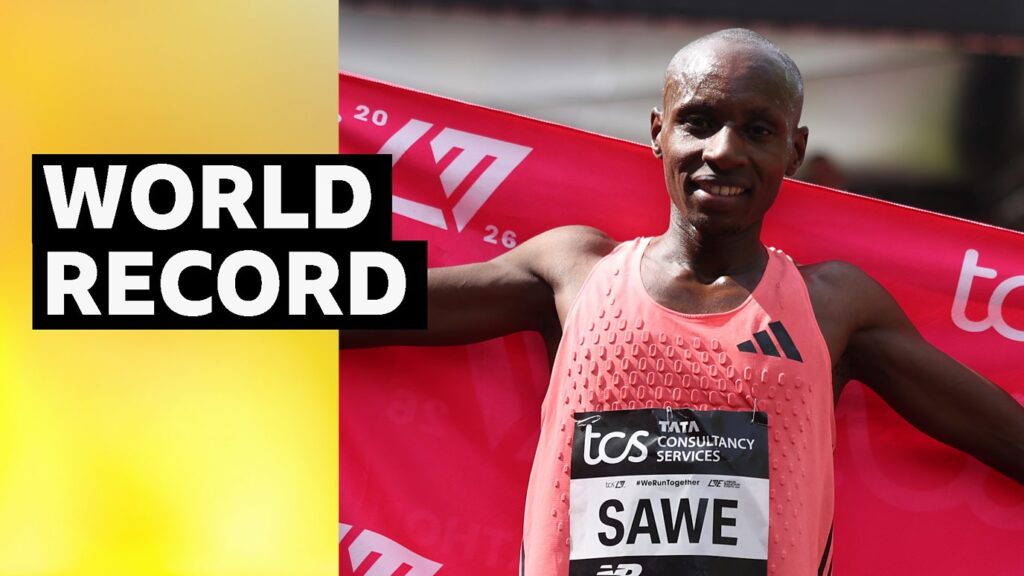
Then it stared, slack-jawed, as Sabastian Sawe stormed through the streets of London in 1:59:30 to become the first man to break the two-hour marathon barrier under official race conditions.
For marketers, this was not merely a sporting triumph. It was a masterclass in how performance, controversy, technology and mythology can collide into one irresistible brand moment.
The shoe in question, the Adizero Adios Pro Evo 3, arrived days before the London Marathon with all the subtlety of a Formula One car entering a bicycle race.
At just 99 grams, it is Adidas’ lightest racing shoe ever made and is designed, astonishingly, to last for only one competitive run.
One race. RM2,400. Gone. In any focus group, such a proposition would sound absurd. Yet in elite sport, absurdity is often where desire begins.


The Shoe That Started an Argument
For years, Nike owned the “super shoe” conversation. Its Vaporfly series changed distance running so dramatically that governing bodies were forced to intervene. Records collapsed. Rivals panicked.
Runners who once obsessed over training plans suddenly became amateur biomechanical engineers discussing foam density and carbon plates over coffee.
Now Adidas has muscled back into the conversation with something far more potent than a product launch. It has delivered a cultural event.
That matters because modern sports marketing is no longer about selling equipment. It is about selling possibility.
And possibility sells best when wrapped in tension. The Evo 3 has already reignited accusations of “technological doping” among sections of the running community.
Critics argue that the marriage of ultra-light foam and carbon propulsion systems risks turning elite marathons into engineering contests.
Supporters counter that sport has always evolved through innovation, from fibreglass poles in pole vaulting to aerodynamic swimsuits and carbon-fibre bicycles.
Either way, Adidas wins. Because every argument online becomes free media.
Every furious Reddit thread becomes brand amplification. Every television debate about fairness places the three stripes squarely in the centre of the global sporting conversation.
Human Sweat Still Beats Technology
The cleverness of Adidas’ strategy lies in how human the story still feels despite the science. Sawe is not presented as a laboratory experiment.
He is framed as a quietly determined Kenyan runner raised in the Rift Valley by his grandmother, grinding through injuries, setbacks and obscurity before shocking the world.
That emotional framing is critical. Technology alone rarely inspires people. Human struggle does. The shoe may have provided the spring, but the storytelling comes from the sweat.
And what storytelling it is. Sawe reportedly trains around 200 kilometres a week at altitude. He fuelled his historic run with honey, bread and tea.
Adidas even funded extensive anti-doping testing to silence sceptics before they could gain momentum. Those details matter because they restore the humanity that technology threatens to erase.
Without them, the narrative becomes sterile. With them, the shoe transforms into something else entirely: an accomplice in human ambition.
The Real Product Isn’t the Shoe
This is where the campaign becomes fascinating from a marketing perspective. Adidas has not positioned the Evo 3 as a mass-market sneaker. Most consumers will never wear it. Many cannot afford it. Some may never even see it in stores.
But that is beside the point. Luxury brands have understood this psychology for decades. Formula One teams do not expect ordinary motorists to buy race cars.
Haute couture houses do not expect shoppers to wear runway garments to Tesco. Halo products exist to elevate perception across the entire portfolio. The Evo 3 is Adidas’ halo missile.
Every recreational runner buying a more affordable Adizero model now purchases a tiny fragment of Sawe’s mythology along with it. That emotional transfer is priceless.
Selling Glory, Not Durability
There is also something wonderfully modern about the deliberate disposability of the shoe. In another era, brands competed on durability.
Today, elite performance has become so fetishised that a single-use marathon shoe can be framed not as wasteful, but as sacred.
Like a Formula One tyre. Or an Olympic sprint spike. Built for one glorious moment. Then history.
For marketers watching from the sidelines, the lesson is not merely about sportswear. It is about conviction. The brands commanding attention today are not the cautious ones trying to offend nobody.
They are the ones willing to polarise audiences by pushing culture, technology or expectation beyond comfortable limits.
The Evo 3 does exactly that. It makes people ask uncomfortable questions. Is this innovation or unfair advantage? Progress or excess? Human achievement or engineered performance?
The brilliance is that there are no easy answers. In an age drowning in forgettable advertising, ambiguity can be far more powerful than certainty.
The Finish Line That Changed Everything
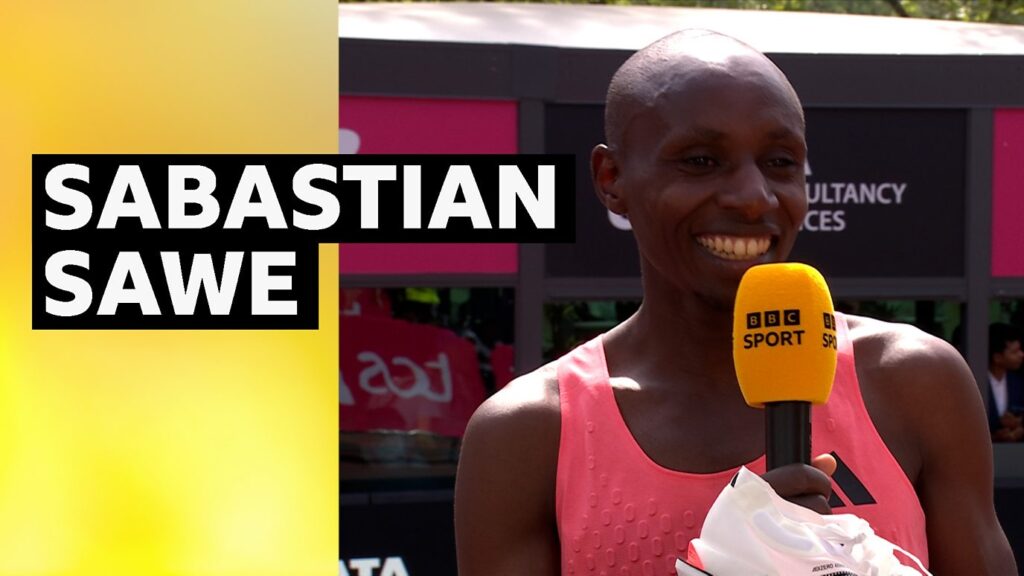
Long after the debates fade, one image will endure. Sawe crossing the finish line in London, exhausted but almost serene, before holding up a feather-light shoe to the cameras like a strange futuristic relic from tomorrow.
In that moment, Adidas was not selling footwear. It was selling the intoxicating idea that human limits are negotiable.