For years, brands have been built on the language of affection. We spoke of love, loyalty, connection. We crafted stories meant to stir something emotional and enduring.
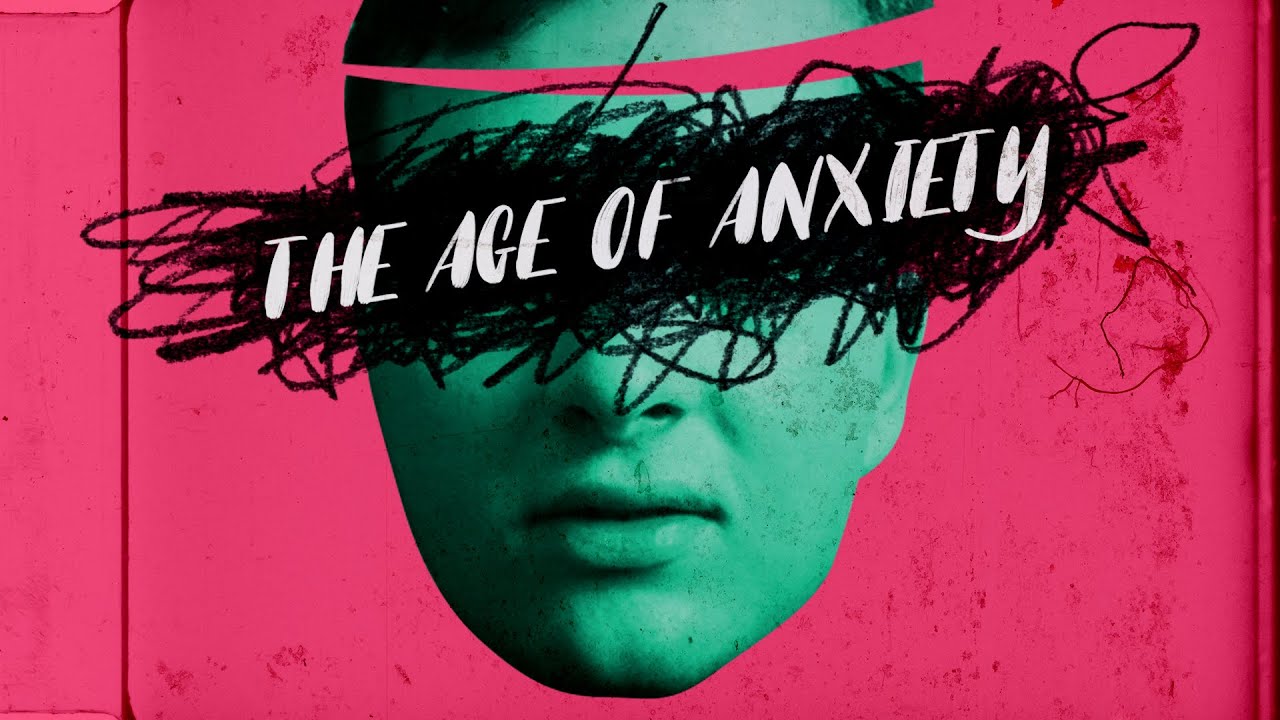
The mood has shifted. Not dramatically, not overnight. More like a slow tightening. Prices inch up. News cycles grow heavier.
There is always something happening somewhere in the world that feels close enough to matter, even if it is far away. In this climate, consumers are not looking for brands to love.
They are looking for brands that will not let them down. It is a quieter expectation, but a far more demanding one.
The Rise of the Invisible Promise
Dependability is not glamorous. It does not make for sweeping campaign lines or viral films. It sits in the background, almost invisible when it works, painfully obvious when it doesn’t.
A bank app that never crashes when you need to transfer money. A telco signal that holds steady during a call that matters. A packet of milk that tastes exactly as it did last week.
These are not moments that get shared. They are simply noted, filed away, and remembered. Or not.
Every Purchase, A Small Calculation
Consumers today are keeping mental records in a way they perhaps did not before.
Every purchase feels slightly more considered. Not because people have become more analytical, but because the margin for error has shrunk.
If you make a wrong choice, you pay for it twice. Once in money, and once in regret. That changes the role of brand. The old model allowed for a certain amount of storytelling elasticity.
You could position aspirationally, even if the experience occasionally fell short. A good campaign could carry you through a mediocre quarter.
Today, that gap is far less forgiving. The story and the product have to meet much closer to the ground.
The Quiet Recalibration at Home
You can see this in how Malaysians are shopping. Not in grand gestures, but in small adjustments. Switching pack sizes. Trying a different house brand.
Returning to a familiar one after a disappointing experiment. There is a quiet calibration happening in households across the country. It is not about chasing the cheapest option. It is about finding the safest one.
Safe does not mean dull. It means predictable in the best possible way.
When Brands Speak Softer, They Land Stronger
Brands that understand this are beginning to speak differently, even if they have not fully articulated it yet.
There is less chest-thumping, less exaggerated promise. More emphasis on what works, what lasts, what simply does the job without fuss.
You see it in how some local retailers present their offers, how certain food brands lean into freshness and consistency rather than novelty, how service brands talk about support rather than speed.
It is not that creativity has disappeared. It has just moved.
Instead of trying to impress, the smarter work now tries to reassure. It acknowledges the reality of the audience without spelling it out. It understands that people do not need to be told times are tough.
They are living it. What they need is a sense that the brand on the other side of the transaction understands that too.
Earning the Premium, Every Week
There is also a subtle shift in what earns a premium. It used to be enough to look and sound premium.
Now, the premium has to be felt over time. In durability. In after-sales service. In the absence of hassle. A slightly higher price can still be justified, but only if the experience quietly proves its worth again and again.
Otherwise, the downgrade is swift and often permanent.
When the World Feels Unsteady, Familiarity Wins
Global tensions play their part in this, even if indirectly. Supply chains tighten, costs ripple through categories, and suddenly the everyday becomes unpredictable.
Consumers may not track the details, but they feel the effects. Out-of-stock items. Price changes that do not quite make sense. Brands that behave inconsistently from one month to the next. In such moments, familiarity becomes a form of comfort.
This is where local brands have an interesting advantage. They are closer, both in perception and in reality. They feel more stable, more understandable. There is a shared context.
A sense that the brand operates within the same constraints as the consumer. It is not always true, but perception has a way of becoming its own truth.
Trust, Built Quietly Over Time
The opportunity here is not to wave the flag, but to quietly reinforce that sense of proximity.
To behave in ways that feel grounded and considerate. To avoid sudden shifts that unsettle more than they excite. Because excitement, for now, is not the primary currency. Trust is.
Trust is built in increments. It accumulates through uneventful transactions, through promises kept without fanfare, through products that simply do what they say they will do.
It is less about creating moments and more about removing friction from the ones that already exist.
From Habit to Indispensable
This may not sound like the stuff of grand marketing narratives. But it is, in its own way, more powerful. When conditions improve, and they eventually will, the brands that have stayed steady will find themselves in a different position.
Not necessarily more loved, but more relied upon. Reliance has a way of deepening into something stronger than affection. It becomes habit. It becomes default.
In a market where every ringgit is considered, being the default is about as close as a brand can get to being indispensable.
Share Post:

Haven’t subscribed to our Telegram channel yet? Don’t miss out on the hottest updates in marketing & advertising!