By Kunal Sinha
I see a particular kind of desperation in marketing today. You can almost hear it, like the rustle of a brand rummaging through a drawer of half-baked ideas, hoping something, anything, will go viral.
Take the recent KitKat “heist” stunt.
A playful premise on paper: bars “stolen,” intrigue manufactured, a breadcrumb trail designed for social media sleuths. The intention was clear – turn a chocolate break into a cultural moment. The outcome felt like watching a stage magician explain his own trick halfway through the act. The audience wasn’t fooled. In times of fuel and food shortages, they weren’t even mildly inconvenienced.
And KitKat is far from alone.
Across categories, brands are lunging for attention with the subtlety of a pop-up ad from 2003. There are AI-generated mascots with no discernible personality, “mystery boxes” that reveal deeply predictable outcomes, and social media challenges that seem engineered by committees who haven’t spoken to an actual human in years. One airline recently teased a “revolutionary travel experience” that turned out to be mood lighting in the cabin.
A food delivery app ran a campaign where meals were intentionally delayed to “build anticipation.” Customers, predictably, built irritation instead.
What’s going on?
The short answer: engagement has become the metric, and meaning has become optional.
Somewhere along the way, marketing shifted from creating value to creating noise. The logic is brutally simple. If people click, comment, or share, the job is done. Whether they care is a secondary consideration. Whether they trust you afterwards rarely enters the conversation.
This has led to a strange creative arms race.
Every campaign is trying to out-weird the last one. Brands are staging fake controversies, inventing artificial scarcity, or leaning into “so bad it’s good” humour without realizing that most things are just … bad.
The problem is that audiences have become exceptionally good at detecting effort versus intent. They can tell when a campaign exists to entertain, and when it exists to manipulate. The former earns goodwill. The latter earns eye-rolls.
Consider the rise of “bait campaigns”, ideas designed primarily to trigger reactions. A confusing teaser. An ambiguous message. A stunt that requires explanation threads longer than the campaign itself.
These tactics rely on curiosity as a hook, yet deliver very little once the hook is set. It’s the marketing equivalent of clickbait headlines: “You won’t believe what happened next.” Turns out, you absolutely will.
Even worse, many of these campaigns misunderstand the culture they are trying to tap into. Brands borrow the language of internet irony, but miss the self-awareness that makes it work.
They imitate meme formats without understanding the rhythm of humour. The result feels like someone trying to join a conversation three weeks too late, using phrases that were never funny to begin with.
There’s also a deeper issue at play: a loss of conviction.
Great campaigns used to stand for something. An idea, a belief, a point of view about the world. Today, many campaigns stand for reach. They are designed to travel, not to land. That’s why so many feel interchangeable. Swap the logo, and the idea still holds. Which means the idea never really belonged to the brand.
The irony is that in chasing virality, brands are becoming forgettable.
Consumers don’t reward effort; they reward resonance. They remember the campaigns that made them feel seen, amused, or slightly wiser. They forget the ones that made them work to understand what was going on. Attention may be captured in a moment, but memory requires meaning.
There’s a lesson here, and it’s not particularly complicated.
Engagement is a byproduct, not a strategy.
When brands start with a clear human insight – something grounded in how people actually live, think, or feel – the work tends to travel on its own. It doesn’t need artificial scaffolding. It doesn’t need elaborate “reveals.” It doesn’t need to trick the audience into caring.
The current wave of gimmicky campaigns feels like a search for shortcuts in a space where shortcuts don’t exist. Creativity still demands clarity. Relevance still demands empathy. And audiences still demand a reason to care.
Until that resets, we’ll keep seeing more “heists” that no one believes, more “mysteries” no one wants to solve, and more campaigns that generate impressions while leaving no impression at all.
Ultimately, the most radical move for a brand today might be quite simple: say something worth listening to. Who’s ready for that?
Kunal Sinha is Chief Knowledge Officer at Ampersand Advisory. He is the author of several books on consumers, culture and creativity, and mentors executives on adapting to a world in constant flux.
Share Post:

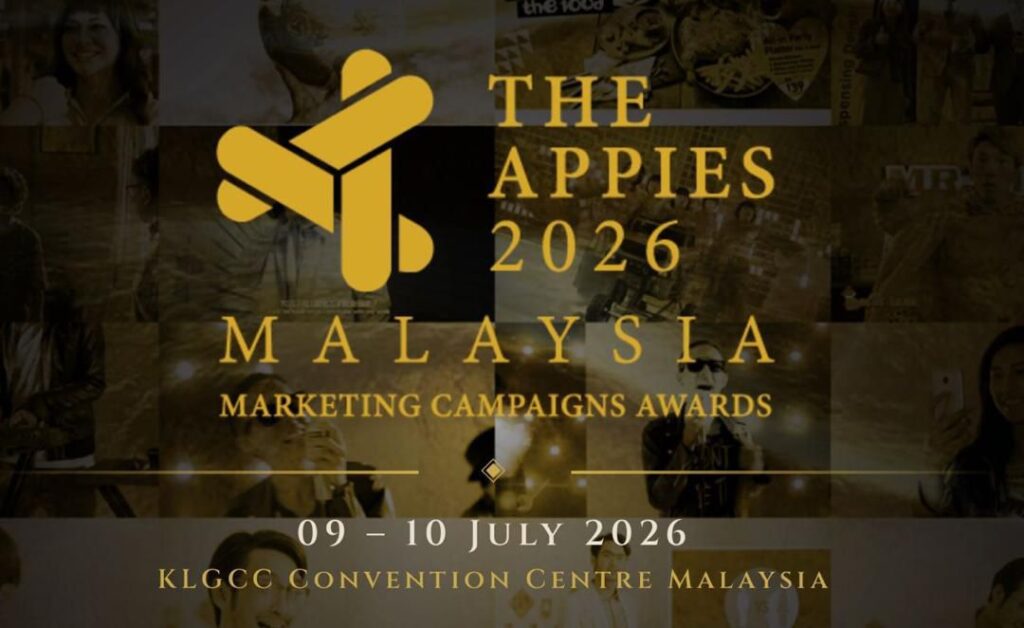
The APPIES is where Malaysia’s boldest campaigns, brightest ideas, and most impactful storytellers take the stage.
More than an awards show, it is the industry’s ultimate platform for creative, media, digital and marketing excellence, where live presentations meet live judging.
This is your chance to showcase work that moved audiences, shaped conversations, and delivered real results.
From breakthrough brand campaigns to innovative digital experiences, the APPIES celebrates the work that defines the future of marketing.
Step into the spotlight alongside the industry’s leading agencies, brands, creatives, strategists and changemakers.
Whether you are aiming for Gold, Silver, Bronze or the prestigious Best of the Best recognition, this is your moment to make history.
Your campaign deserves to be seen.
Your ideas deserve the stage.
Your work deserves the legacy.
KEY DATES
Haven’t subscribed to our Telegram channel yet? Don’t miss out on the hottest updates in marketing & advertising!