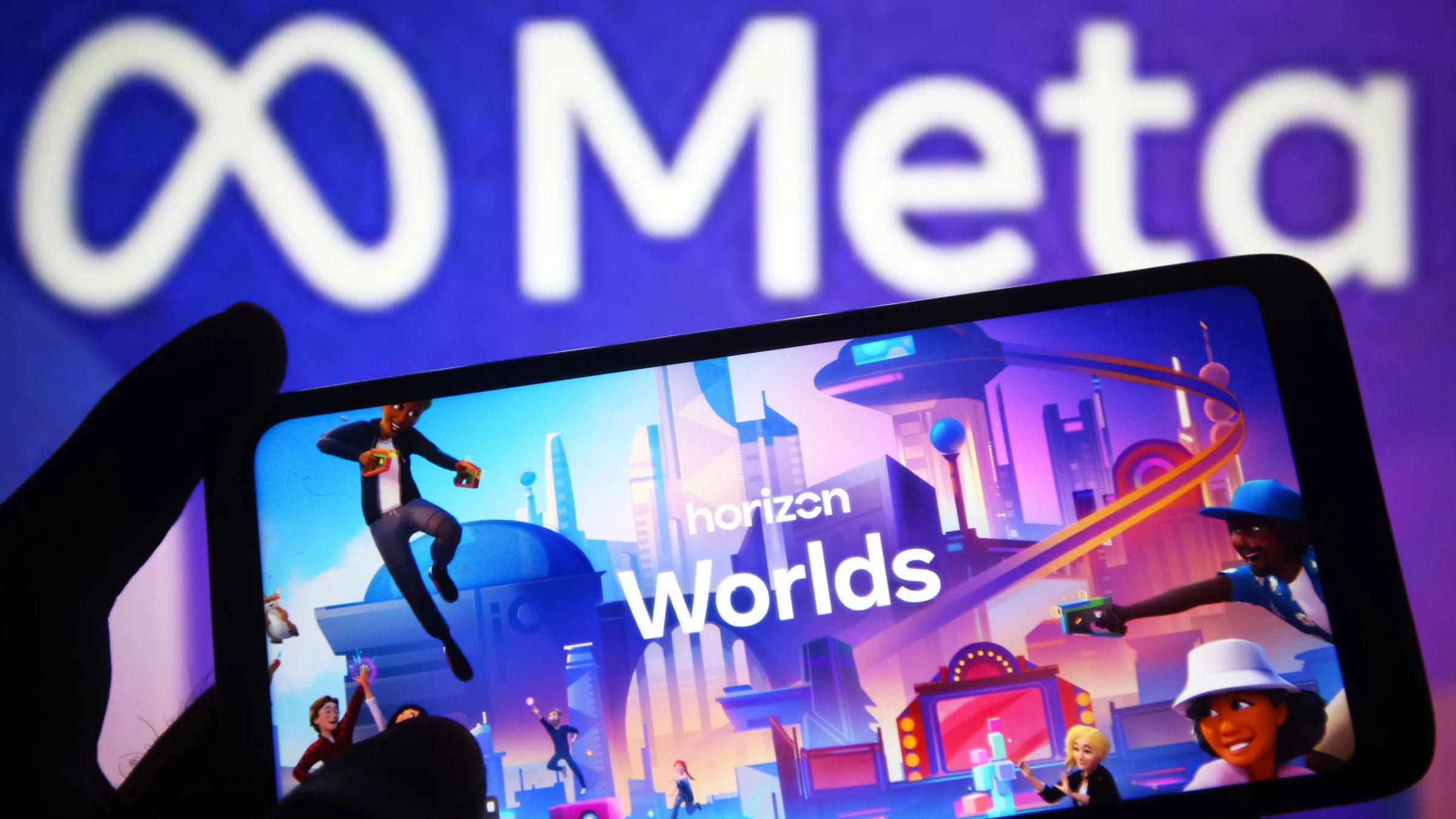
Five years and an estimated US$80 billion investment, Meta is stepping back from one of its boldest bets: Horizon Worlds. The company has confirmed the platform will be removed from the Quest Store by March 31, with a full shutdown set for June 15.
A limited mobile version will remain. But the core VR experience—once pitched as the social heart of the metaverse—is effectively over.
For users, the impact is immediate. Purchases, avatars, digital clothing, and Meta Credits will disappear along with it—another reminder that in platform ecosystems, ownership is often temporary.
A Big Bet That Didn’t Land
Horizon Worlds wasn’t just a product. It was central to Mark Zuckerberg’s pivot from Facebook to Meta—a rebrand built on the belief that virtual worlds would define the next era of social interaction.
The idea was compelling: a shared digital space where people could hang out, attend concerts, and engage with brands.
Meta poured in investment. Big names like Imagine Dragons and Coldplay performed virtually. Brands experimented. The stage was set. But the audience never fully showed up.
The Behaviour Gap
The problem wasn’t imagination. It was behaviour. VR remains an experience people dip into—not one they live in. Headsets are still expensive, slightly awkward, and rarely used for long periods.
In contrast, platforms like VRChat grew more naturally, driven by communities rather than corporate design. Horizon Worlds, by comparison, often felt engineered—less like a place people discovered, more like one they were invited into.
That difference matters. Because social platforms don’t succeed through features. They succeed through habit.
Reset, Not Retreat. Meta is not walking away from VR.
The shutdown follows restructuring within its Reality Labs division, including a reported 10% workforce reduction. But the company continues to position VR as part of the next computing platform.
Competition is heating up. Apple is advancing Vision Pro, while Samsung and ByteDance are pushing their own XR ambitions. In that context, Horizon Worlds looks less like failure—and more like a necessary reset.
What Marketers Should Take Away
This isn’t the death of the metaverse. It’s a lesson in timing.
Too many brands entered virtual worlds chasing headlines rather than behaviour. But attention cannot be forced—especially not into a headset. The more pressing issue is control.
When platforms shut down, everything inside them disappears. For brands, that raises uncomfortable questions:
Who owns the experience? How long does it last? What happens when the platform moves on?
Meta’s move comes amid wider scrutiny of its platforms and strategy. The Horizon Worlds shutdown adds a simple but important truth: even the biggest companies can misread the moment.
Share Post:

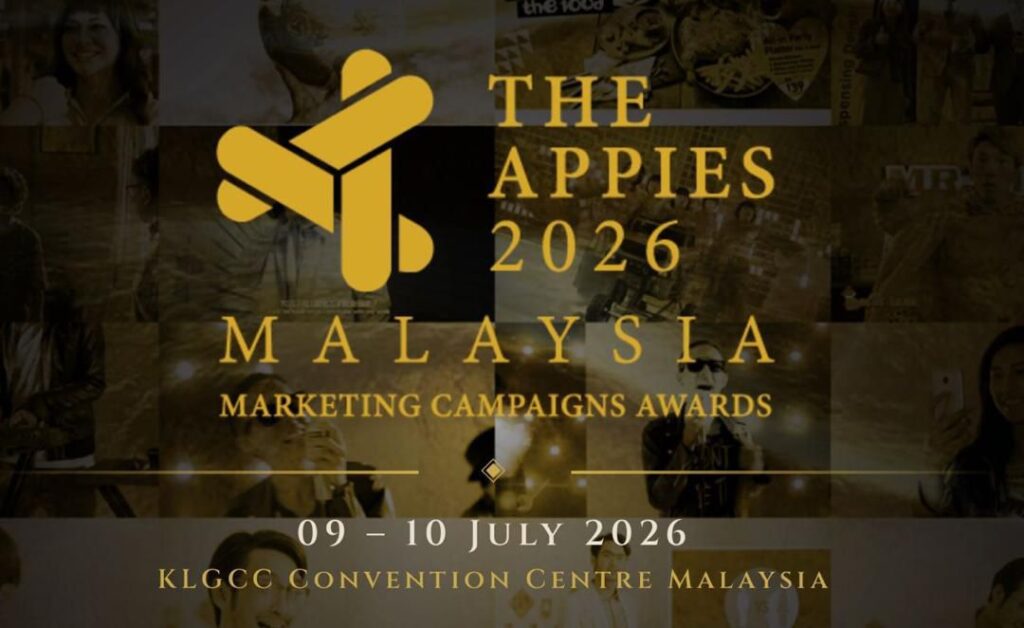
The APPIES is where Malaysia’s boldest campaigns, brightest ideas, and most impactful storytellers take the stage.
More than an awards show, it is the industry’s ultimate platform for creative, media, digital and marketing excellence, where live presentations meet live judging.
This is your chance to showcase work that moved audiences, shaped conversations, and delivered real results.
From breakthrough brand campaigns to innovative digital experiences, the APPIES celebrates the work that defines the future of marketing.
Step into the spotlight alongside the industry’s leading agencies, brands, creatives, strategists and changemakers.
Whether you are aiming for Gold, Silver, Bronze or the prestigious Best of the Best recognition, this is your moment to make history.
Your campaign deserves to be seen.
Your ideas deserve the stage.
Your work deserves the legacy.
KEY DATES
Haven’t subscribed to our Telegram channel yet? Don’t miss out on the hottest updates in marketing & advertising!