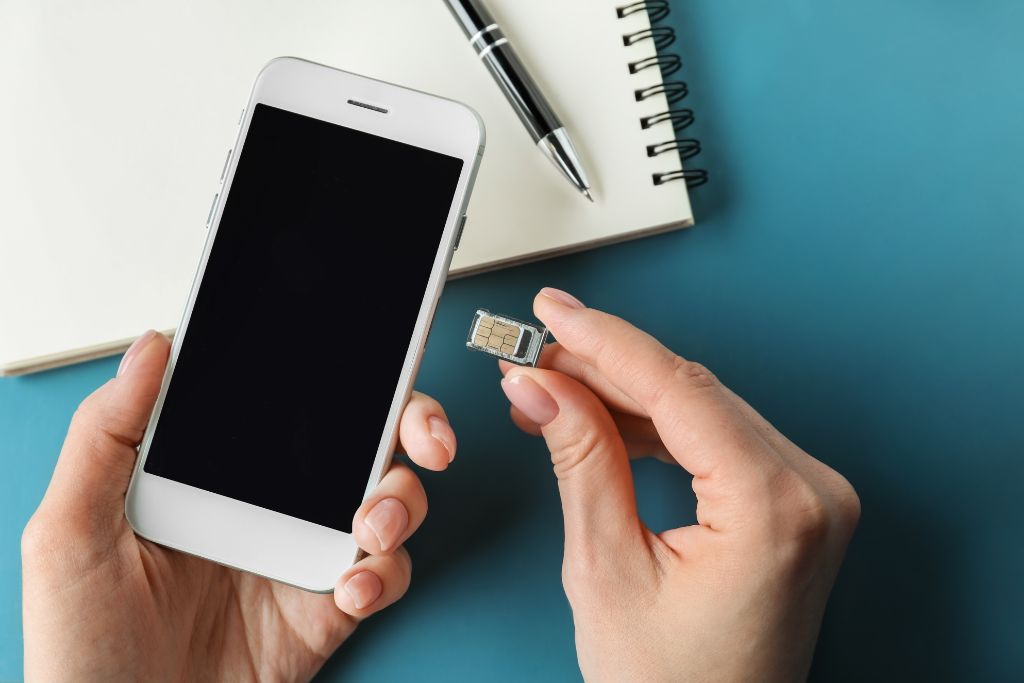
Malaysia has drawn a new line in the sand against scam syndicates — and it starts in your pocket.
Effective 26 February 2026, the Malaysian Communications and Multimedia Commission (MCMC) now limits Malaysians to five prepaid SIM cards per telco, while non-Malaysians are capped at two per telco.
The move is part of a broader regulatory push to curb online fraud, identity misuse and the growing abuse of disposable phone numbers.
On paper, five SIMs per operator may sound generous.
In practice, it’s a structural reset of how prepaid identity is governed in Malaysia.
Why SIM Cards Became a Scam Enabler
Researchers at the University of Cambridge recently warned that cheap, disposable numbers can be used to bypass SMS verification and spin up fake social media accounts for less than US$0.30 (about RM1.25).
In other words, the cost of creating digital deception is now cheaper than a packet of nasi lemak.
Prepaid SIMs have long been the soft underbelly of digital ecosystems.
Easy to buy. Easy to discard. Hard to trace.
For scam syndicates running phishing rings, fake investment schemes or mule account recruitment drives, volume matters.
The more numbers they control, the harder it becomes for enforcement agencies to keep up.
By capping the number of SIMs per individual per telco, MCMC is effectively choking supply at the identity level — not just at the retail level.
What Exactly Has Changed?
The new Mandatory Standards formally known as the Commission Determination on the Mandatory Standards for the Registration of End-Users of Prepaid Public Cellular Services (Determination No. 1 of 2026) has introduced three core shifts:
1. A Hard Cap on Registrations
Technically, a Malaysian could still hold 20 SIMs across four operators.
But concentration within a single network — a tactic often exploited for operational efficiency in scams — is now restricted.
Importantly, those who already exceed the new limit prior to 26 February are not affected retroactively.
2. No More Proxy Registrations
You cannot ask someone else to register a SIM on your behalf.
The registrant must be physically present or verified through approved digital identity channels.
This closes a common loophole where low-income individuals were paid to register bulk SIMs under their names.
3. Biometric or Digital Identity Verification Is Now Central
Registration now requires:
In addition, prepaid SIMs cannot be activated before proper registration.
If you receive an already-active SIM, that’s a red flag.
Activation confirmation will be issued within 12 hours of verified registration.
The Marketing Implications
For marketers, telcos and digital platforms, this isn’t just a compliance story.
It is a trust infrastructure story.
Malaysia’s digital economy from TikTok Shop livestreams to fintech onboarding to social commerce depends heavily on mobile number authentication.
If phone numbers are easily weaponised, the entire verification layer becomes fragile.
Stricter SIM governance could:
However, there may also be friction.
Prepaid remains popular among gig workers, migrant communities and younger consumers who value flexibility over postpaid commitments.
Any additional registration complexity must balance enforcement with accessibility.
MCMC has stated that the objective is not to restrict access but to prevent identity misuse and unauthorised SIM deployment.
The emphasis on MyDigital ID also aligns with Malaysia’s broader digital governance ambitions.
A Structural Signal, Not a Cosmetic Fix
This move sits alongside Malaysia’s proposed AI governance bill and tightening of social media regulations.
The message is consistent: digital growth must be matched with accountability architecture.
For brands, especially those investing heavily in mobile-first engagement strategies, the crackdown offers a reminder: reach without verification is vulnerability.
The prepaid SIM may seem like a small plastic chip.
But in 2026, it is also a frontline defence against digital crime.
Five per telco. No shortcuts. No proxies.
Malaysia is signalling that anonymity at scale is no longer a feature — it is a risk to be managed.
Do you like this personality?
Share Post:


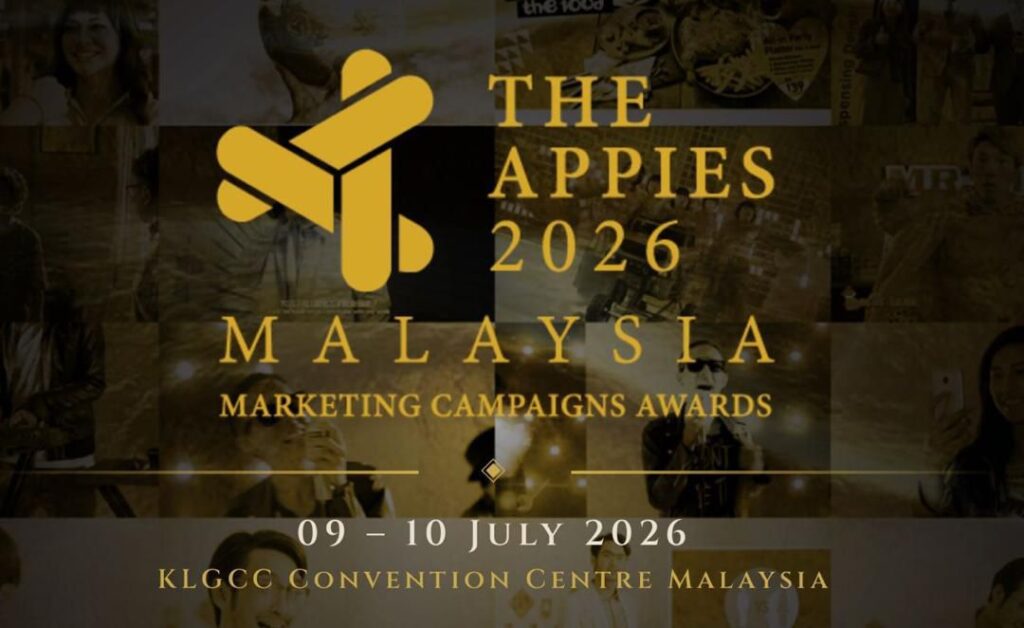
The APPIES is where Malaysia’s boldest campaigns, brightest ideas, and most impactful storytellers take the stage.
More than an awards show, it is the industry’s ultimate platform for creative, media, digital and marketing excellence, where live presentations meet live judging.
This is your chance to showcase work that moved audiences, shaped conversations, and delivered real results.
From breakthrough brand campaigns to innovative digital experiences, the APPIES celebrates the work that defines the future of marketing.
Step into the spotlight alongside the industry’s leading agencies, brands, creatives, strategists and changemakers.
Whether you are aiming for Gold, Silver, Bronze or the prestigious Best of the Best recognition, this is your moment to make history.
Your campaign deserves to be seen.
Your ideas deserve the stage.
Your work deserves the legacy.
KEY DATES
Haven’t subscribed to our Telegram channel yet? Don’t miss out on the hottest updates in marketing & advertising!