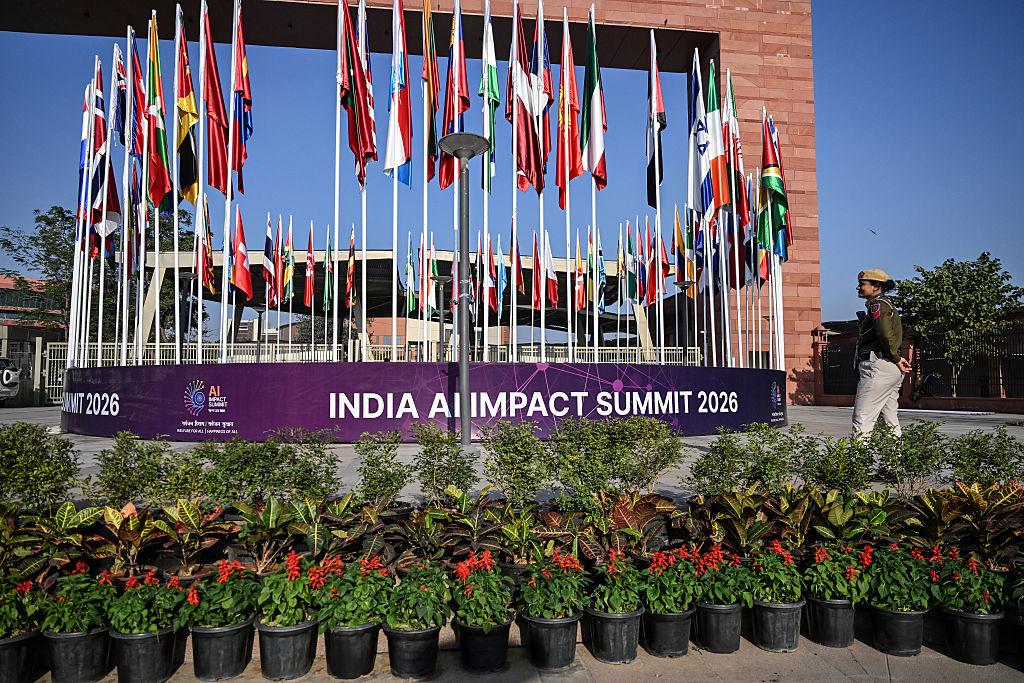
A robotics showcase at India’s flagship AI gathering has spiralled into a credibility row after a university was asked to leave the exhibition floor for presenting a China-made robot dog as its own innovation.
The controversy erupted at the India AI Impact Summit in New Delhi when Galgotias University unveiled a robotic dog branded “Orion”, describing it during a live presentation as a breakthrough developed by its Centre of Excellence.
Video clips of the demonstration quickly spread online.
Within hours, technology observers identified the device as the Unitree Go2 — a commercially available robot dog manufactured by China’s Unitree Robotics and widely used globally for research and educational applications
Government sources later confirmed that organisers asked the university to vacate its stall.
The institution subsequently clarified that it had not manufactured the hardware and that the robot had been purchased to provide students with hands-on exposure to autonomous systems
Summit Ambitions, Viral Fallout
The AI Impact Summit had been positioned as a defining moment for India’s artificial intelligence ambitions — billed as the first major AI summit hosted by a Global South nation, with global tech leaders, policymakers and multi-billion-dollar investment pledges in attendance
Instead, the “Orion” episode became the summit’s most viral talking point.
For India’s fast-growing AI ecosystem, the incident highlights how thin the line can be between demonstrating adoption of global technology and claiming indigenous innovation.
In an environment where national tech capability is tied to economic positioning and geopolitical standing, attribution is not cosmetic — it is strategic.
Political Echoes
Political reactions amplified the fallout.
Opposition figures criticised the summit’s execution, with one leader describing it as a “disorganised PR spectacle” and questioning whether the event’s marketing matched its substance.
The incident quickly moved beyond a technical clarification and into the realm of national narrative — where innovation, pride and public perception intersect.
The Marketing Lesson
Beyond the political noise, the episode offers a sharp lesson in innovation storytelling.
First, clarity must trump bravado.
In fast-moving sectors such as AI and robotics, institutions often deploy off-the-shelf platforms for research and prototyping. There is no reputational risk in doing so — unless messaging blurs the line between utilisation and invention.
Second, scrutiny is instantaneous.
Social media users and specialist communities can verify hardware models and software stacks in minutes. Communications teams must assume claims will be examined frame by frame.
Finally, credibility is cumulative.
At a time when India is seeking to position itself as a serious AI power, even isolated missteps risk feeding scepticism among investors and international observers.
What may have begun as an overenthusiastic presentation has instead become a case study in how quickly innovation narratives can unravel — and how, in AI, authenticity is as critical as ambition.
Share Post:

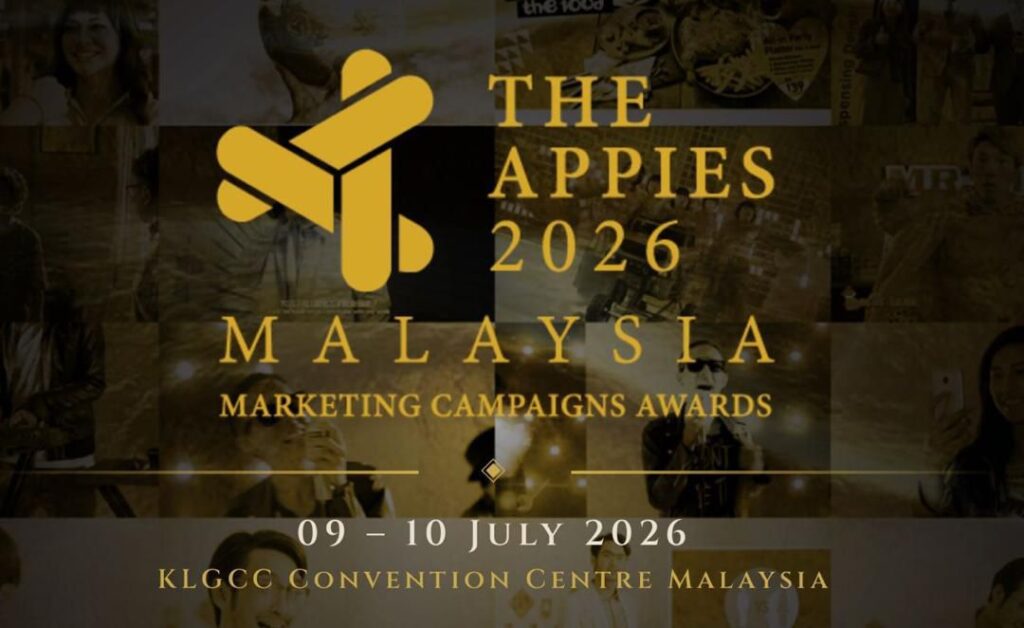
The APPIES is where Malaysia’s boldest campaigns, brightest ideas, and most impactful storytellers take the stage.
More than an awards show, it is the industry’s ultimate platform for creative, media, digital and marketing excellence, where live presentations meet live judging.
This is your chance to showcase work that moved audiences, shaped conversations, and delivered real results.
From breakthrough brand campaigns to innovative digital experiences, the APPIES celebrates the work that defines the future of marketing.
Step into the spotlight alongside the industry’s leading agencies, brands, creatives, strategists and changemakers.
Whether you are aiming for Gold, Silver, Bronze or the prestigious Best of the Best recognition, this is your moment to make history.
Your campaign deserves to be seen.
Your ideas deserve the stage.
Your work deserves the legacy.
KEY DATES
Haven’t subscribed to our Telegram channel yet? Don’t miss out on the hottest updates in marketing & advertising!