In 2025, something quietly shifted in Malaysian advertising.
Not in technology. Not in formats. Not even in budgets.
But in intent.
At a time when marketers everywhere were being seduced by AI efficiencies, algorithmic targeting and performance dashboards, a different set of campaigns chose to slow down.
They leaned away from spectacle and optimisation, and towards something more fragile and human: memory, belonging, service, kindness.
These were not films designed to “hack attention”.
They were films that earned it.
What follows is Marketing Magazine’s editorial reflection on the campaigns of 2025 that didn’t merely perform well—but moved Malaysians.
Campaigns that reminded us why storytelling still matters, especially when the world feels loud, fragmented and impatient.
Raya, Reimagined: Tradition Meets Truth
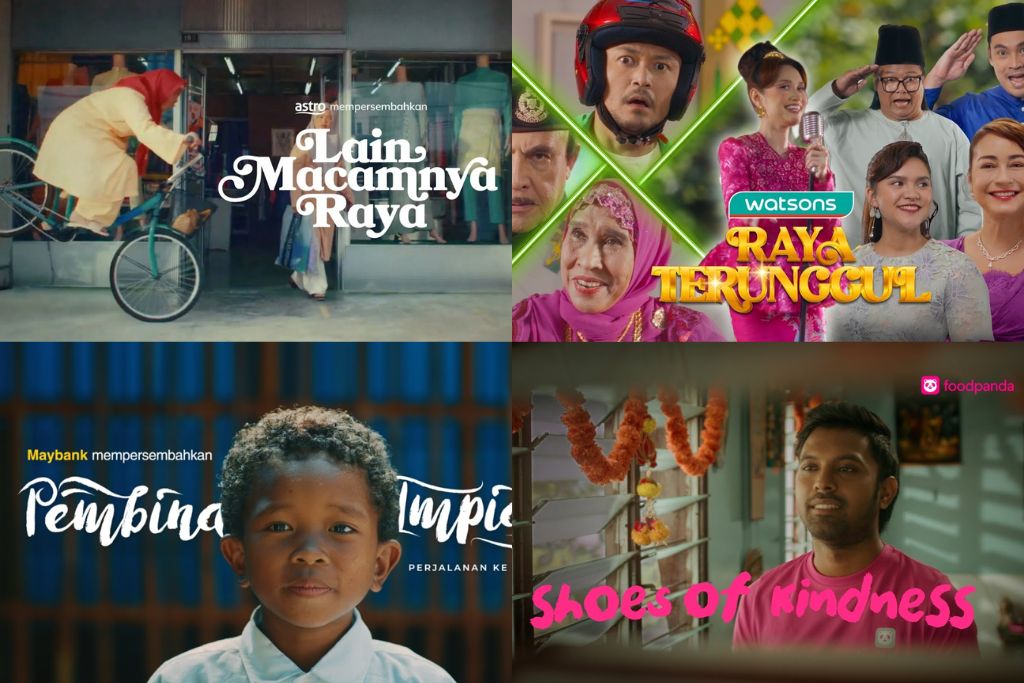
Few festive films captured the emotional contradictions of modern Malaysian families as deftly as Astro’s Raya film,“Meriah Lain Macam”.
At its heart is Jumaah—a mother, a widow, a guardian of tradition—confronted not by rebellion, but by evolution. Her children return home not just with spouses, but with new rituals, new expectations, and unfamiliar ways of celebrating Raya.
The film’s brilliance lies in its restraint. There are no villains here. Only people negotiating love across generations.
Astro’s storytelling succeeded because it didn’t romanticise tradition nor mock modernity.
Instead, it acknowledged a quiet truth many Malaysian households recognise: that love often requires letting go before it can come back stronger.
Watsons Malaysia’s “Raya Terunggul” took a lighter, more playful route, blending humour, celebrity familiarity and nostalgia.
Yet beneath the spectacle was a familiar emotional anchor—Raya as the rare pause where fractured schedules, screens and responsibilities briefly fall away.
Together, these Raya films did not shout joy. They earned it.
Merdeka Beyond the Flag: Service, Seen Up Close
If Raya explored family, Merdeka 2025 explored service.
Maybank’s “Pembina Impian” (Teachers Who Build Dreams) stood out precisely because it resisted patriotic grandstanding.
Instead, it followed real teachers—like Cikgu Ben—who navigate rivers, mud roads and isolation to bring education to children in remote communities. The message was simple, almost uncomfortable in its clarity: dreams don’t build themselves. People do.
Similarly, Petronas’“Teacher Knows Best” returned to a storytelling territory the brand has long mastered—nostalgia with purpose.

Through a classroom lens, the film reframed Merdeka not as independence from the past, but responsibility to one another. Its emotional pull lay not in cinematic excess, but in words spoken gently, with conviction.
Elsewhere, Rapid KL’s“Little Boy, Big Merdeka Lesson” reminded viewers that nationhood isn’t performed once a year. It’s practiced daily—in how we help, notice and care. A child’s small act of community service became a metaphor for civic maturity.
Even Grab’s music-driven“Keranamu Malaysia” struck a chord by spotlighting everyday heroes within its ecosystem—riders, engineers, operators—whose labour keeps the country moving.
Merdeka, the film suggested, has a rhythm. And many hands keep it playing.
Deepavali: Lighting the Unseen
Deepavali campaigns in 2025 were notable for what they chose not to centre.
Rather than focus solely on celebration, several brands turned the spotlight on the hands that make celebration possible.
CelcomDigi’s“Nam Thadam, Heroes of Heritage” was a standout—a lyrical tribute to artisans whose quiet labour sustains cultural continuity. Potters, garland makers, metal workers—their work often invisible, suddenly framed with reverence. The film felt less like advertising and more like documentation.
That same ethos appeared in foodpanda’s “Shoes of Kindness”, which told a gentle story of delivery riders looking out for one another during the festive rush. Kindness here was not performative. It was practical, timely, human.
Meanwhile, Liberty General Insurance’s“Rhythm of Togetherness” used sound as memory—crackling snacks, whispered prayers, shared laughter—to evoke protection not as policy, but as presence.
It reminded viewers that safety is emotional before it is contractual.
Everyday Dreams, Quietly Powerful
Not all moving stories needed festivals.
Maxis’ sport-driven films, featuring women’s badminton stars Pearly Tan and Thinaah Muralitharan, reframed national pride through discipline and friendship rather than medals alone. Progress, the campaign suggested, happens one dream at a time—often unseen, always earned.
CelcomDigi’s Merdeka film“Dari Mata Kita” similarly widened perspective, allowing Malaysia to be seen through ordinary eyes. Not landmarks, but lived-in moments. Not slogans, but stories.
Why These Stories Mattered
What united Marketing Magazine’s Touching Campaigns of 2025 was not category, format or production value.
It was intent.
These campaigns trusted audiences to feel without being manipulated. They resisted irony. They avoided cynicism. They chose sincerity in a year when sincerity often feels risky.
In doing so, they reminded the industry of something fundamental:
When brands stop trying to impress—and start trying to understand—people lean in.
And sometimes, they even tear up.
That, in 2025, felt quietly revolutionary.