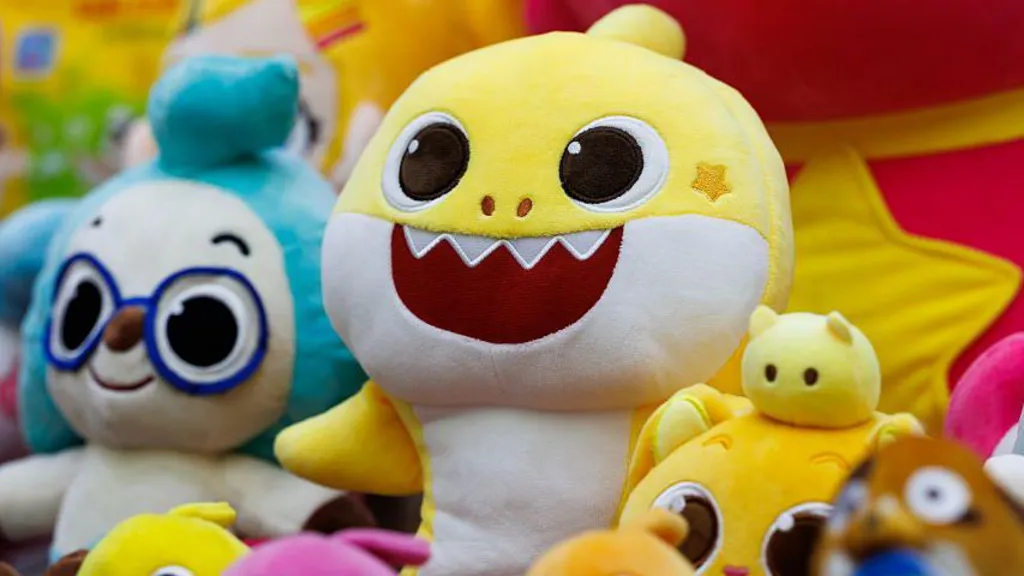
Somewhere between a toddler’s sticky fingers and a parent’s despair, a 90-second earworm turned into a US$400 million company.
Not a superhero franchise. Not a gaming platform. But a children’s song that goes doo, doo, doo, doo, doo, doo.
It’s tempting to laugh at Baby Shark as just another internet nuisance — a cartoon shark that invaded nurseries, shopping malls and family WhatsApp groups.
But behind the looped melody and choreographed dance lies a business story that should make every Malaysian marketer sit up a little straighter.
Because Pinkfong’s success isn’t really about a song.
It’s about what happens when cultural memory, behavioural design and brand discipline align.
A folk song, a startup and a global loop
The melody itself wasn’t new. Versions of “Baby Shark” had floated around American summer camps since the 1970s — a folk chant passed from hand claps to campfires.
No algorithms. No monetisation. No merchandise shelves.
Then in 2016, Pinkfong — a then modest Korean edtech startup with three staff and a cramped office — uploaded a bright, simple 90-second version onto YouTube.
No launch strategy. No media budget. No pitch deck titled Scaling Global IP 101.
They didn’t even expect a salary.
They just uploaded it — and watched what happened.
What happened next is now marketing folklore:
But if you think this was pure luck, you’ve missed the real play.
The real product wasn’t the song. It was repetition.
Pinkfong didn’t just create a catchy tune. They engineered a loop.
Toddlers don’t behave like adults. They don’t chase novelty — they chase comfort. They will rewatch the same video 20 times in a row without fatigue.
While most brands obsess over reach, Pinkfong quietly mastered repeat behaviour.
In Malaysia, where attention is fragmented across TikTok, dramas, Reels and livestream commerce, we keep trying to be loud.
Pinkfong did the opposite.
They made something so simple, so rhythmically tight, and so visually coded for toddlers, that children didn’t just watch — they returned.
Again. And again. And again.
For marketers, this is gold.
Because sustainable brands aren’t built on virality. They’re built on behaviour.
From viral moment to industrial system
What’s striking is how Pinkfong refused to treat Baby Shark as a mere lucky break.
Instead, they built a system around it:
In fact, Baby Shark is now only responsible for around 25% of their revenue.
Their newer property, Bebefinn, is already contributing about 40%.
That’s not a one-hit wonder. That’s portfolio thinking.
And that’s where many Malaysian brand owners drop the ball.
We often milk one successful campaign until it collapses. Pinkfong used their hit as capital — to build the next three pillars.
Legal battles, brand battles and why ownership matters
When Pinkfong was sued for plagiarism in 2019, claiming they copied an American composer’s version, it wasn’t just a legal survival moment.
It was a reminder that intellectual property is modern brand currency.
They won.
Their version was ruled a derivative of a public-domain folk song.
That judgement didn’t just clear their name — it strengthened their valuation.
For brands in Malaysia entering character licensing, animation, music IP, or even influencer ownership models — this is a lesson worth framing:
If you don’t own what you build, you’re only renting your success.
The fast food effect of content
A media analyst in the story compared Baby Shark’s appeal to K-pop— rhythmic, fast, hypnotic.
But another way to look at it? It behaves more like fast food.
Repetitive. Comforting. Familiar. Designed for mass behaviour
Except instead of calories, it delivers emotional rhythm and routine.
Malaysia understands this instinctively — just look at how Ramly Burger became national comfort food or how Upin & Ipin embedded itself into family culture.
The real genius isn’t the tune. It’s the embedding.
A quiet lesson for Malaysian brands
Here’s where Malaysian marketers should pause.
We keep chasing “the next big thing”. The next AI campaign. The next tech partnership. The next shiny format.
Pinkfong didn’t chase newness. They built depth inside something simple:
They didn’t try to be cool. They tried to be unavoidable.
There’s a lesson here for Malaysian brands building from local roots to regional scale:
The biggest opportunities aren’t always in complexity. They’re often hiding in focus.
Not just a shark. A business discipline.
Today, Pinkfong calls itself a “tech-driven content creator”, using data and viewing patterns to guide future projects.
But the technology isn’t the headline. The discipline is.
A 90-second clip. Released with no expectations. Turned into a global behavioural habit. Converted into a multi-hundred-million dollar company. Then evolved beyond its own mascot.
That’s not internet luck. That’s brand architecture.
And if a singing baby shark can teach us that, then maybe — just maybe — Malaysian brands don’t need louder ideas.
Just clearer ones.
Share Post:

The APPIES is where Malaysia’s boldest campaigns, brightest ideas, and most impactful storytellers take the stage.
More than an awards show, it is the industry’s ultimate platform for creative, media, digital and marketing excellence, where live presentations meet live judging.
This is your chance to showcase work that moved audiences, shaped conversations, and delivered real results.
From breakthrough brand campaigns to innovative digital experiences, the APPIES celebrates the work that defines the future of marketing.
Step into the spotlight alongside the industry’s leading agencies, brands, creatives, strategists and changemakers.
Whether you are aiming for Gold, Silver, Bronze or the prestigious Best of the Best recognition, this is your moment to make history.
Your campaign deserves to be seen.
Your ideas deserve the stage.
Your work deserves the legacy.
KEY DATES
Haven’t subscribed to our Telegram channel yet? Don’t miss out on the hottest updates in marketing & advertising!