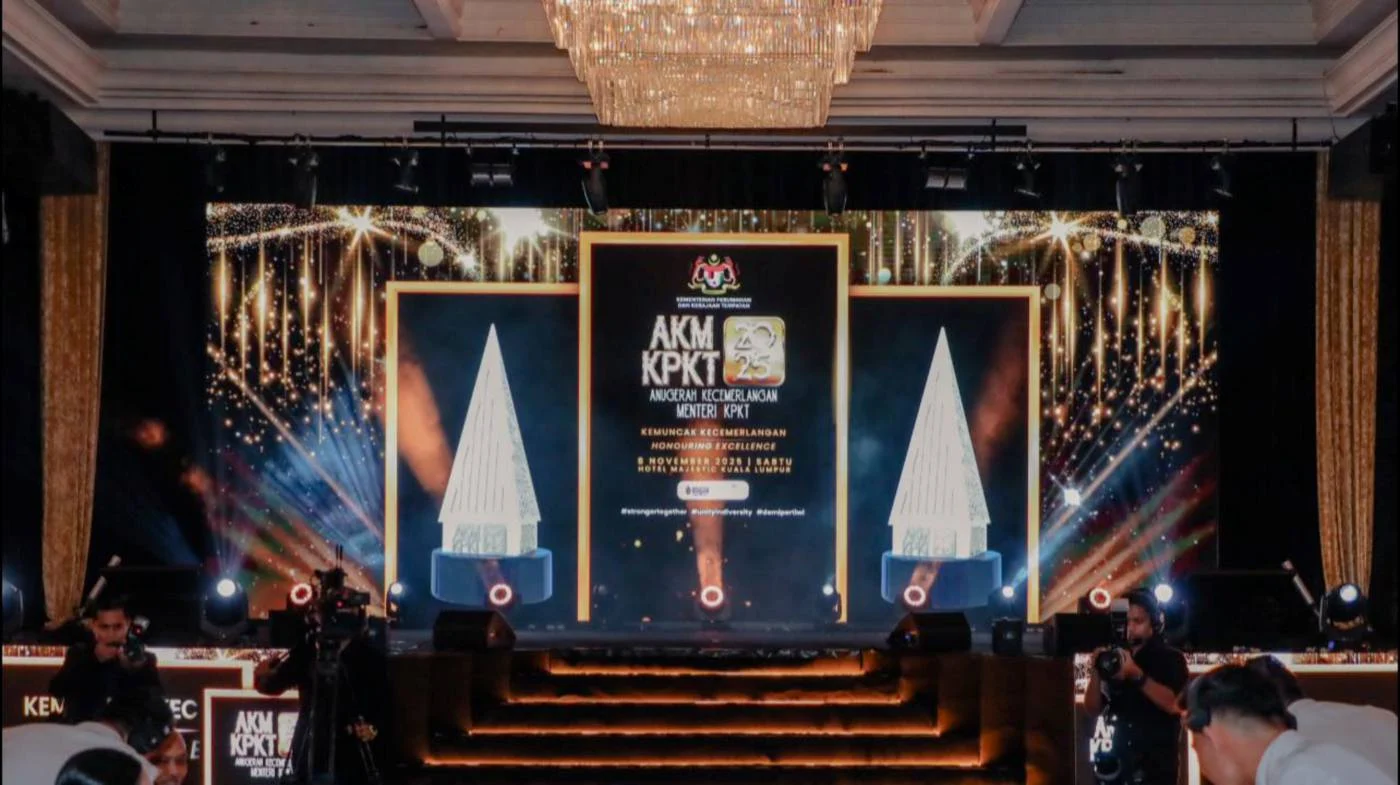
There are moments in Malaysian public life when a simple detail — a glass shape, a camera angle, a caption stripped of context — becomes a national talking point.
The Housing and Local Government Ministry (KPKT) found itself in that exact storm after a stemmed glass of Cucumber Apple Slider at its Minister’s Excellence Awards was mistaken for an alcoholic drink, igniting viral speculation and forcing the ministry to lodge a report with MCMC.
The ministry later clarified that the drink was a carbonated soft beverage, not alcohol.
The scandal was imagined, not real. Yet the damage-control had to be real, urgent, and visible.
This episode, trivial on the surface, reveals something deeper and more consequential for Malaysian brands: we no longer live in an era where facts lead perception. Perception leads facts — and often outruns them.
The Optics Gap: Where Malaysian Brands Are Most Vulnerable
The virality of the incident wasn’t driven by evidence.
It was driven by optics — the elegant stemware, the name “Slider,” and the setting of a ministry dinner.
That was enough to trigger cultural sensitivities and a cascade of assumptions.
For marketers, this is the modern reality:
The “optics gap” — the space between what a brand intends and what the public perceives — has grown wider as social media accelerates interpretation ahead of truth.
This isn’t just a government lesson. It’s a Malaysian lesson.
Why the Outrage Spread: Three Human Behaviours Marketers Often Underestimate
1. People fill information gaps with emotion, not logic
When content is ambiguous, audiences lean on pre-existing beliefs. A stemmed glass becomes “proof” of wrongdoing because it fits a familiar storyline.
2. Visual shorthand is now a dominant language
We scroll, not study. We infer, not inquire. The first frame becomes the whole story.
3. Outrage travels faster than clarification
Every marketer knows this; the ministry was simply the latest to experience it. A correction may be accurate, but virality rarely works in reverse.
What Brands Should Learn from This ‘Non-Scandal’
1. Audit your event optics before your press releases
A name as innocent as Cucumber Apple Slider can sound exotic enough to be misinterpreted. Stemmed glasses may elevate the catering — but unintentionally undermine public trust.
Brands must ask: “Could this be misunderstood from a single photo — without context?” If the answer is yes, adjust.
2. Pre-empt narratives by over-communicating cultural compliance
We rarely say what seems obvious internally. Yet the public does not see the SOPs behind the scenes.
A single line on the programme card — “Non-alcoholic beverages only” — could have prevented the speculation entirely.
3. Treat misinformation as a brand safety issue, not a PR inconvenience
KPKT’s decision to file a report with MCMC reflects how seriously institutions now take viral distortion. Brands should too.
Misinformation is not a passing annoyance; it is a brand risk multiplier.
4. Move fast, but in Malaysian tone
Clarifications in Malaysia must address two layers at once: factual accuracy and public sentiment.
A clear, culturally aware explanation — not defensive, not corporate — is the winning formula.
A Broader Pattern Marketers Can’t Ignore
We’ve seen similar patterns recently:
These flare-ups have less to do with wrongdoing and more to do with anxiety, identity, and the public’s heightened sensitivity to symbolism.
In other words: Malaysia is reading between the lines, even when there are no lines.
Make Truth Visible
The ministry did the right thing by clarifying the record.
But the deeper lesson for marketers goes beyond fact-correction.
You can no longer assume that the truth will be discovered through patience or rationality.
Today’s brand challenge is not just telling the truth — it is making the truth look true.
That requires:
Because in a climate where perceptions travel faster than facts, brand integrity must be managed at the speed of misunderstanding.
The Crisis Didn’t Happen — But the Lesson Is Real
The “Cucumber Apple Slider” controversy wasn’t a scandal. It was a misunderstanding amplified into a moment of national conversation.
But that’s precisely why marketers should pay attention.
The incident shows how fragile public trust can be — and how a single image, shared without context, can reshape a narrative overnight.
In a world where accuracy competes with virality, the Malaysian marketer’s role is clear: Manage perception before perception manages you.
Share Post:


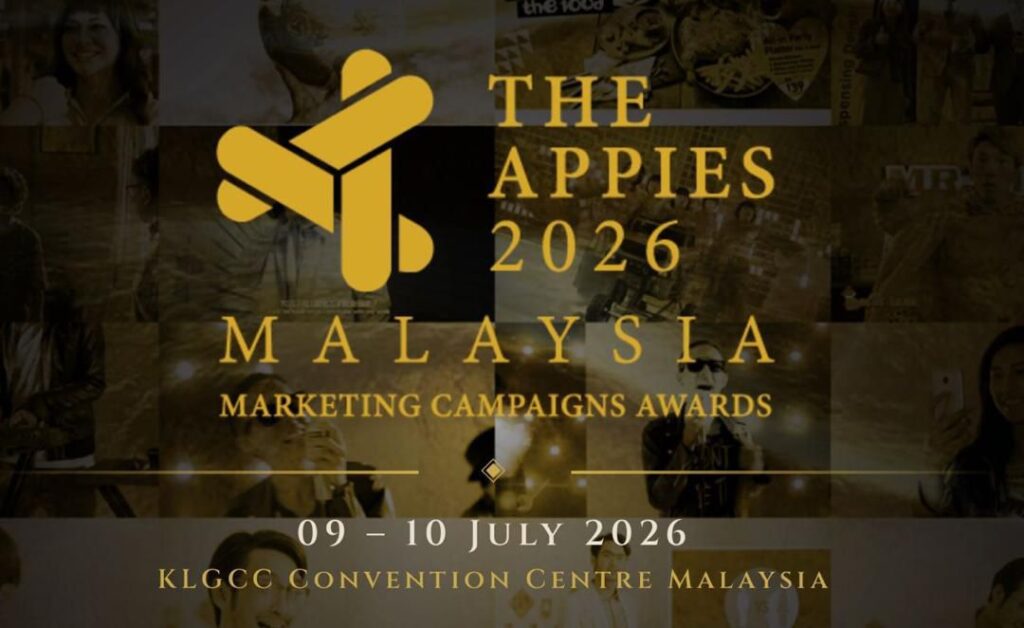
The APPIES is where Malaysia’s boldest campaigns, brightest ideas, and most impactful storytellers take the stage.
More than an awards show, it is the industry’s ultimate platform for creative, media, digital and marketing excellence, where live presentations meet live judging.
This is your chance to showcase work that moved audiences, shaped conversations, and delivered real results.
From breakthrough brand campaigns to innovative digital experiences, the APPIES celebrates the work that defines the future of marketing.
Step into the spotlight alongside the industry’s leading agencies, brands, creatives, strategists and changemakers.
Whether you are aiming for Gold, Silver, Bronze or the prestigious Best of the Best recognition, this is your moment to make history.
Your campaign deserves to be seen.
Your ideas deserve the stage.
Your work deserves the legacy.
KEY DATES
Haven’t subscribed to our Telegram channel yet? Don’t miss out on the hottest updates in marketing & advertising!