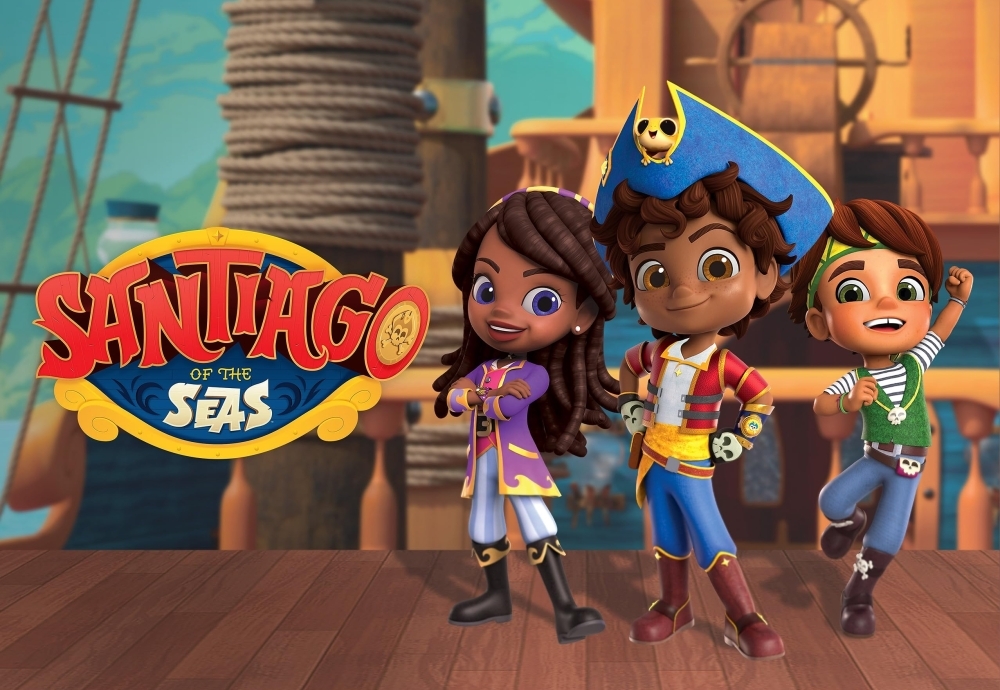
In Malaysia, it takes very little these days even for a children’s cartoon to sail straight into a national debate.
This week, Santiago of the Seas — a colourful, swashbuckling Nickelodeon series — found itself in the centre of a cultural squall after RTM suspended the show pending a full content review.
A single complaint on Threads, alleging a scene of “two men kissing,” was enough to trigger the halt.
RTM’s internal evaluation later found no such content. Still, the broadcaster froze the episode, citing the need to avoid “doubt” and preserve viewer comfort.
For parents, it was a blip on a Sunday morning.
For marketers, it was a masterclass in modern perception risk.
1. The New Reality: One Screenshot Can Sink a Brand
A single social media post — even if emotionally charged or factually shaky — can now reshape how a broadcaster behaves.
Marketers often talk about “viral velocity,” but this episode shows a deeper truth:
Perception is now programmable. One post, correctly (or incorrectly) framed, can trigger institutional response.
The lesson isn’t about cartoons. It’s about reaction time, and the price brands pay for misjudging the mood.
2. The Algorithm Doesn’t Care About Intent — Only Outrage
The Threads user’s post didn’t need nuance. It had all the ingredients for traction:
Once outrage is seeded, algorithms don’t wait for accuracy. They amplify emotion first, facts later — if ever.
For brands, this means — the battle isn’t between truth and falsehood. It’s between speed and amplification.
3. RTM’s Response: Conservative, Calculated, and Completely Predictable
RTM’s decision to suspend broadcasts despite finding no problematic content may seem excessive to some observers.
But within the context of Malaysia’s cultural climate and the national broadcaster’s mandate, the move follows a familiar playbook:
For marketers, the deeper insight is this: Public institutions aren’t reacting to content — they’re reacting to the temperature around the content.
And increasingly, that temperature is set by unverified viral claims.
4. What Brand Custodians Must Learn
a) The optics war matters more than the accuracy war
Your brand may be right, but outrage is rarely a debate — it’s a momentum game.
b) Pre-emptive transparency is a trust currency
RTM’s note emphasising the absence of LGBT content was a subtle attempt to close the loop quickly.
Brands should similarly be ready with:
c) Parents are now a high-sensitivity stakeholder group
Family-friendly spaces are increasingly being policed — not by regulators, but by users armed with camera phones and social feeds.
d) The new consumer is not passive
They interpret, broadcast, and weaponise content before brands can explain it.
That’s the real shift.
5. Why Marketers Should Pay Attention — Even If You Don’t Make Cartoons
This isn’t about a pirate show or an episode review.
It’s about the fragility of brand trust in a landscape where:
If a children’s cartoon can become a national headline, so can your brand.
If one misread visual can derail a broadcast, one creative choice can derail a campaign.
6. Control Your Narrative Before Someone Else Does
The Santiago episode is a quiet reminder of the world we now market in.
Where perception outruns fact, where reactions outrun reviews, and where organisations — public and private — must decide:
Do we lead conversation, or do we get pulled by it?
For Malaysian marketers navigating cultural nuance, the answer determines whether you stay ahead of the storm or find yourself explaining a misunderstanding that never existed.
Share Post:

The APPIES is where Malaysia’s boldest campaigns, brightest ideas, and most impactful storytellers take the stage.
More than an awards show, it is the industry’s ultimate platform for creative, media, digital and marketing excellence, where live presentations meet live judging.
This is your chance to showcase work that moved audiences, shaped conversations, and delivered real results.
From breakthrough brand campaigns to innovative digital experiences, the APPIES celebrates the work that defines the future of marketing.
Step into the spotlight alongside the industry’s leading agencies, brands, creatives, strategists and changemakers.
Whether you are aiming for Gold, Silver, Bronze or the prestigious Best of the Best recognition, this is your moment to make history.
Your campaign deserves to be seen.
Your ideas deserve the stage.
Your work deserves the legacy.
KEY DATES
Haven’t subscribed to our Telegram channel yet? Don’t miss out on the hottest updates in marketing & advertising!