By The Malketeer
Every so often, the Booker Prize reminds us of something the marketing industry forgets in its chase for “thumb-stopping content”: real stories don’t need polish. They need truth.
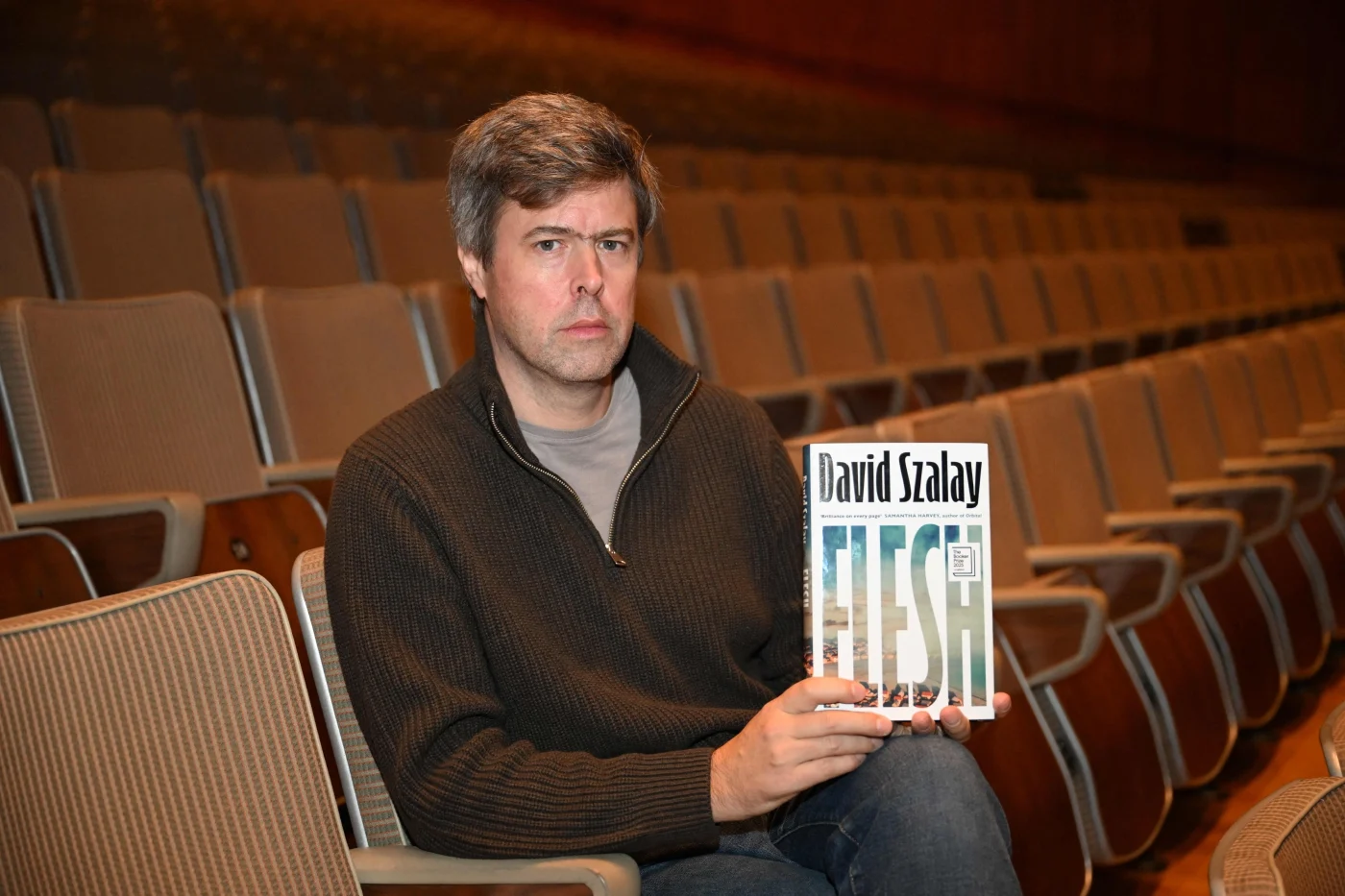
This year, that truth came from David Szalay, the British-Hungarian writer who picked up the 2025 Booker Prize for Flesh — a spare, unsettling portrait of masculinity, migration, ambition, and moral decay.
No glossy hero arc. No warm redemption. Just a man struggling through Europe’s shadows, from Hungary to London, and all the compromises in between.
Yet the judges called it “a joy to read”.
On paper, that sounds contradictory. In practice, it’s a lesson every marketer should sit with.
Because audiences today aren’t drawn to perfect. They’re drawn to human.
Why Flesh Matters Beyond Literature
Szalay’s win comes at a time when even brand storytelling is wrestling with identity.
For years, marketers sold aspiration — lifestyle gloss, unattainable aspiration, neat endings. Meanwhile, culture shifted.
People tuned out picture-perfect ads and curated influencer feeds. They sought vulnerability, imperfection, and nuance. The creator economy exploded not because creators are slick — but because they’re real.
Szalay’s fiction has long wandered into difficult territory. Sparse prose, flawed characters, uncomfortable truths. If you pitched Flesh in an agency boardroom as content, someone would say:
“It’s too dark; people want uplifting stories.”
And yet — it’s the story winning the world’s most prestigious literary prize.
Sometimes, audiences don’t want you to save them. They want you to understand them.
The Bigger Picture: Culture Moves Where Authenticity Lives
In marketing circles, we love talking about “authenticity”, then proceed to sanitise it. Meanwhile, award-winning art keeps proving the world is not craving positivity — it’s craving honesty.
Szalay joins a cultural moment shaped by:
Look at this year’s Booker shortlist — multicultural voices, intimate worlds, complexity. Europe, Asia, emotional migration, economic divides. The global psyche is asking to be seen, not sold to.
Brands that answer that call will resonate.
Lessons for Marketers & Storytellers
1. Human wins over heroic
Audiences tired of perfect protagonists. Let your brand characters stumble, doubt, rethink.
2. Less is often more
Szalay writes with muscular restraint. Brands, take note: clarity beats cleverness. Emotion beats jargon.
3. Embrace tension
Conflict isn’t negative — it’s compelling. Don’t rush to resolve every narrative beat. Sit in the discomfort.
4. Local stories travel when they are true
Szalay starts in Hungary, ends in England — but the emotion travels. Malaysian brands often underestimate the power of intimate cultural stories. The late Yasmin Ahmad understood. So did Julie’s Biscuits this Deepavali.
5. Audiences don’t want escape — they want meaning
We don’t need to sugar-coat life. We need to help people feel something.
Closer to Home: A Malaysian Creative Moment
Malaysia is entering a similar creative turning point. You can see it:
We’re rediscovering what the Booker judges recognised: the most powerful stories are not always pretty. But they are always human.
And that — not media buying, not automation — is what builds emotional equity.
David Szalay did not write Flesh to trend. He wrote it to tell the truth as he saw it.
In an age where marketers optimise narratives for algorithms, maybe the win is a quiet reminder:
Great storytelling is not about perfection.
It’s about being brave enough to be real.
What would Malaysian marketing look like if more brands — and agency leaders — embraced that?
Share Post:
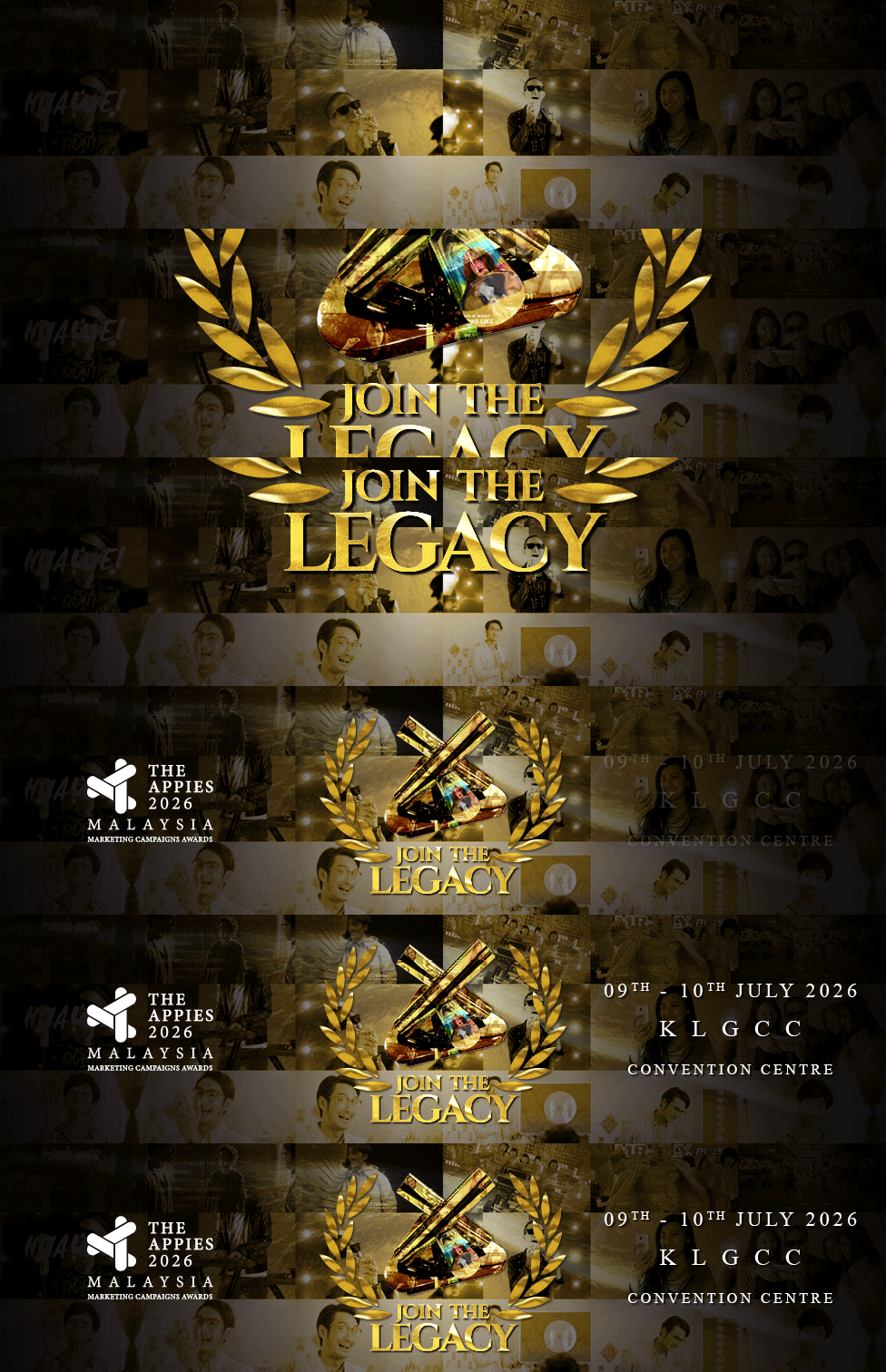
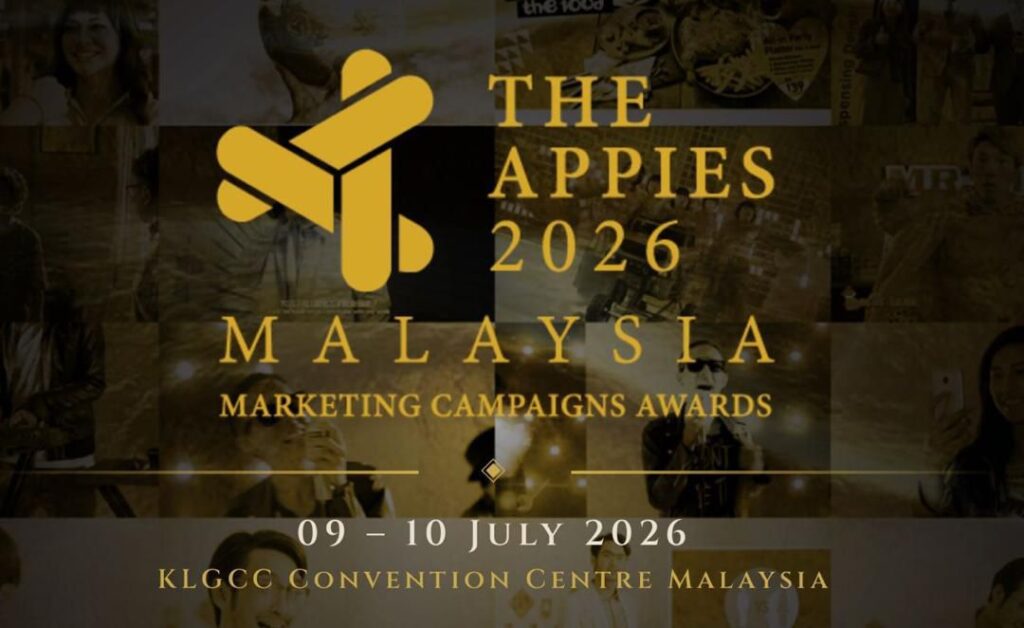
The APPIES is where Malaysia’s boldest campaigns, brightest ideas, and most impactful storytellers take the stage.
More than an awards show, it is the industry’s ultimate platform for creative, media, digital and marketing excellence, where live presentations meet live judging.
This is your chance to showcase work that moved audiences, shaped conversations, and delivered real results.
From breakthrough brand campaigns to innovative digital experiences, the APPIES celebrates the work that defines the future of marketing.
Step into the spotlight alongside the industry’s leading agencies, brands, creatives, strategists and changemakers.
Whether you are aiming for Gold, Silver, Bronze or the prestigious Best of the Best recognition, this is your moment to make history.
Your campaign deserves to be seen.
Your ideas deserve the stage.
Your work deserves the legacy.
KEY DATES
Haven’t subscribed to our Telegram channel yet? Don’t miss out on the hottest updates in marketing & advertising!