By The Malketeer
Six seconds. That’s all STING needed to energise Southeast Asia — and, frankly, that’s all most of us get now before people scroll on.
Forget brand monologues. Forget sentimental epics for every campaign.
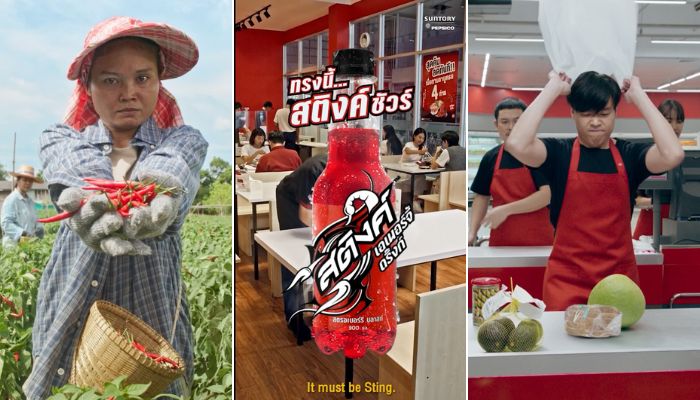
STING’s six-second blitz 18 rapid-fire video campaign with Leo Thailand isn’t just a creative format choice; it’s a sharp commentary on how attention is earned in 2025 — and who’s winning the attention war.
In Thailand, where energy drink loyalty borders on religion, STING fought a legacy-brand battlefield with an unexpected weapon: speed as storytelling.
Micro-bursts of adrenaline. Split-second narratives. Characters who appear, act, and exit before our brains decide whether to care.
Turns out, we care more when brands stop begging for attention and start respecting time.
This isn’t about short being trendy. It’s about short being strategic.
The Attention Tax — And Why Gen Z Doesn’t Pay It
Marketers love to lament shrinking attention spans — usually while approving yet another 90-second brand manifesto video few watch past the first five seconds.
Gen Z isn’t distracted. They’re discerning.
They’ve grown up in an economy where attention is currency, and they invest it where returns are highest. Six seconds is not a limitation; it’s a contract:
“If you want my time, give me value. Fast.”
STING understood the assignment:
Just punch, pace, and a product association so tight you could tattoo it: speed is STING.
Memes, Muay Thai, and Market Mastery
The smart bit wasn’t just speed. It was cultural fluency.
Chilli pickers. Grocery packers. Rappers. Muay Thai kids.
Not aspirational fantasies — recognisable people doing real things fast, the way meme culture compresses humour, meaning, and identity into a blink.
We don’t “consume” culture anymore. We skim, remix, react, and move on.
STING didn’t chase virality. It spoke the language of a generation fluent in stimulus.
Six Seconds Is Not Laziness — It’s Discipline
If anything, hyper-short video format forces sharper craft:
Good short-form isn’t cheap. It’s choreography. It’s clarity under pressure.
Most brands aren’t struggling with attention. They’re struggling with focus.
Stories Still Matter — They’re Just Faster Now
The Malaysian market often defaults to festive sentiment and long-form storytelling — beautiful, necessary, and occasionally formulaic.
People tear up, hit share, move on.
But energy, humour, and pace are under-used weapons here.
And if STING can slice through a category ruled by names carved into Thai culture, Malaysian brands should be asking:
Sometimes the boldest brand act isn’t a tear-jerker. It’s a jolt.
What Malaysian Marketers Can Learn
1) Don’t chase attention — compress value
Viewers don’t owe brands time. Brands owe viewers relevance.
2) Lead with pace, not preamble
Your opening second is your pitch. Use it.
3) Build a creative system, not “one big film”
Think chapters, not chapters disguised as “director’s cuts.”
4) Culture beats polish
A Muay Thai kid lands harder than a slow-motion drone shot.
5) Use AI for precision, not laziness
STING didn’t automate creativity. It amplified distribution to communities, not demographics.
6) Earn emotion before expecting it
Attention precedes affection. Always has.
From Brand Films to Brand Fragments
The future isn’t one format. It’s range.
STING has long-form, sure. But it built memory through frequency, entertainment, and brevity.
Think of marketing moving from:
Brands don’t need to yell longer. They need to hit harder, sooner, and smarter.
Ironically, writing about six-second ads in a long-form article proves one thing:
We still crave depth. Just not all at once.
Share Post:
The APPIES is where Malaysia’s boldest campaigns, brightest ideas, and most impactful storytellers take the stage.
More than an awards show, it is the industry’s ultimate platform for creative, media, digital and marketing excellence, where live presentations meet live judging.
This is your chance to showcase work that moved audiences, shaped conversations, and delivered real results.
From breakthrough brand campaigns to innovative digital experiences, the APPIES celebrates the work that defines the future of marketing.
Step into the spotlight alongside the industry’s leading agencies, brands, creatives, strategists and changemakers.
Whether you are aiming for Gold, Silver, Bronze or the prestigious Best of the Best recognition, this is your moment to make history.
Your campaign deserves to be seen.
Your ideas deserve the stage.
Your work deserves the legacy.
KEY DATES
Haven’t subscribed to our Telegram channel yet? Don’t miss out on the hottest updates in marketing & advertising!