By The Malketeer
When a cyberattack takes down a brewery, you don’t just lose a few servers — you risk losing your spot at the bar.
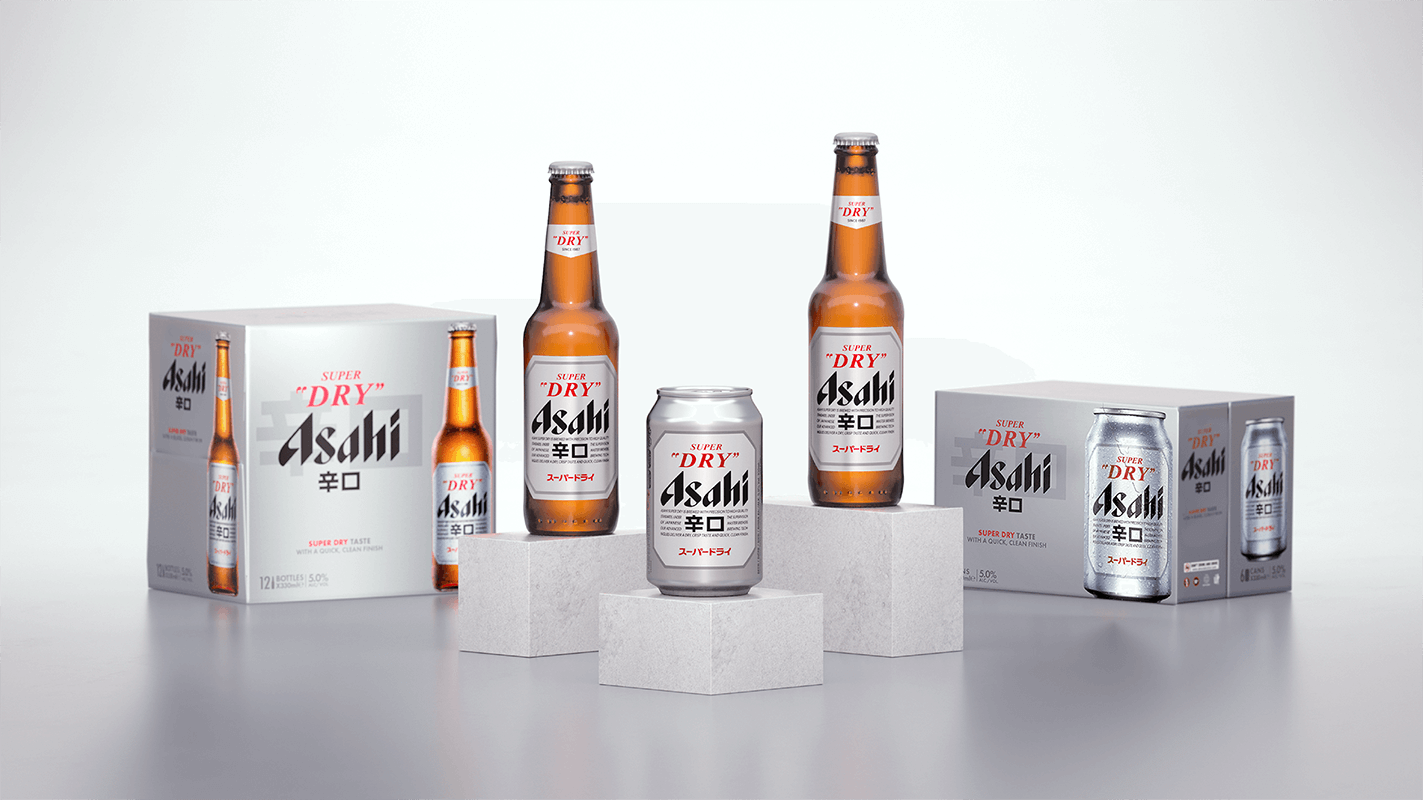
Asahi Group, Japan’s beverage giant and the maker of Super Dry beer, has found itself in an unusual hangover: five days without digital systems to process orders, answer calls, or ship stock.
The fallout has been immediate.
Tokyo’s bars and restaurants are tapping their last kegs of Super Dry.
One yakitori restaurant admitted it had already been forced to pour Sapporo instead, a move that felt almost sacrilegious for a place where skewered chicken and Asahi are practically inseparable.
Convenience store chains Lawson, FamilyMart and 7-Eleven are bracing for empty shelves, warning customers that alternatives will have to do.
In an ironic twist, Asahi staff are now pounding the pavement, taking handwritten orders like door-to-door salesmen from another era.
The company says it is prioritising food and non-alcoholic beverages, with the first batch of manually processed beer shipments only beginning to roll out at the end of the week.
For the nation’s drinkers, it’s an inconvenience.
For marketers, it’s a masterclass in brand fragility.
Decades of advertising, sponsorships, and product placement have entrenched Asahi Super Dry as Japan’s beer of choice — but when stock runs out, loyalty has little choice but to defect.
What’s Brewing Beneath the Surface
Marketing on the Rocks
For marketers, Asahi’s cyber-headache is more than a cautionary tale — it’s proof that brand equity is only as strong as the system that delivers it.
The next big brand war may not be fought with clever slogans or viral ads, but with resilient infrastructure and rapid crisis playbooks.
In the meantime, Japanese drinkers will raise a reluctant glass of Sapporo or Kirin, while Asahi scrambles to reclaim its place at the table — or rather, on tap.
Share Post:

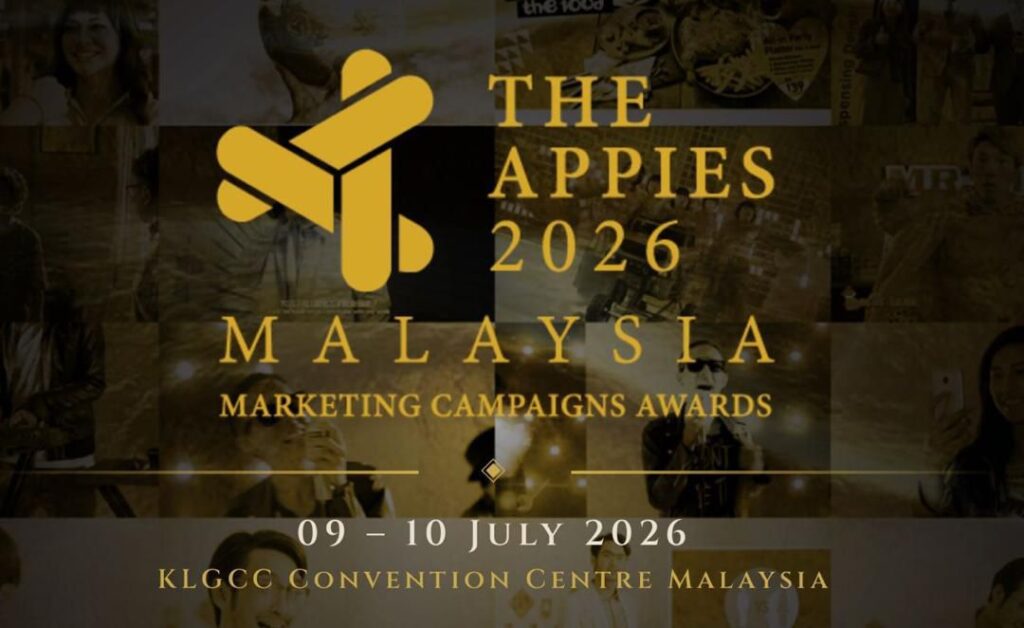
The APPIES is where Malaysia’s boldest campaigns, brightest ideas, and most impactful storytellers take the stage.
More than an awards show, it is the industry’s ultimate platform for creative, media, digital and marketing excellence, where live presentations meet live judging.
This is your chance to showcase work that moved audiences, shaped conversations, and delivered real results.
From breakthrough brand campaigns to innovative digital experiences, the APPIES celebrates the work that defines the future of marketing.
Step into the spotlight alongside the industry’s leading agencies, brands, creatives, strategists and changemakers.
Whether you are aiming for Gold, Silver, Bronze or the prestigious Best of the Best recognition, this is your moment to make history.
Your campaign deserves to be seen.
Your ideas deserve the stage.
Your work deserves the legacy.
KEY DATES
Haven’t subscribed to our Telegram channel yet? Don’t miss out on the hottest updates in marketing & advertising!