By The Malketeer
When a judge orders OpenAI to hand over more than 20 million ChatGPT logs, you’d think this is another chapter in the AI vs. journalism copyright war.
Beneath the legal jargon sits a deeper story about trust, privacy, and how brands should behave when consumers start wondering who is really reading their digital confessions.
This isn’t a tech lawsuit. It’s a marketing cautionary tale.
The Real Headline: Consumers Are Finally Asking “Who’s Listening?”
OpenAI’s argument is simple: forcing it to turn over three years of anonymised chats—even a sample—is a privacy breach waiting to happen.
“Anyone in the world who has used ChatGPT… must now face the possibility that their personal conversations will be handed over,” the company warned.
The New York Times retorted just as sharply—users are safe, the logs will be anonymised, and OpenAI is “misleading” the public.
Marketers in Malaysia should also pay attention to this moment.
Not because of the courtroom drama, but because millions of Malaysians—who’ve eagerly adopted generative AI for work, study, and even emotional journaling—are now seeing headlines that say their conversations could end up in a lawsuit.
Once a consumer starts doubting privacy, the spell is broken.
Why This Matters to Brands Using AI Tools
The AI goldrush in marketing—content gen, customer service bots, research scrapes, idea engines—has been built on an unspoken rule:
“Your data is safe because we say it’s safe.”
This case shows how fragile that promise is when dragged into public view.
Consumers won’t differentiate between OpenAI, Jasper, Perplexity, Meta LLaMA, or your brand’s AI-powered WhatsApp chatbot.
If one platform is seen as leaky, the entire category takes the hit.
Malaysian marketers learnt this the hard way with cookie consent. AI will be the same—except the data is far more intimate.
Marketing’s Forgotten Question: “Would You Want This Scrutinised in Court?”
For years, brands have used proprietary chatbots, survey tools, language models and CRM systems to mine insights from customer inputs.
But imagine if a court one day demanded:
Now imagine those records getting leaked or misinterpreted.
Marketers have long obsessed over data collection. This case reminds us to obsess over data consequence.
The New Consumer Contract: Transparency, Not Convenience
OpenAI’s fear isn’t just about lawsuits—it’s about perception.
If consumers believe AI platforms can be compelled to surrender their private chats, the fear ripples across multiple sectors:
Privacy becomes a brand differentiator—not a compliance box.
The next generation of Malaysian consumers will reward companies that clearly explain:
In other words: show your workings.
Why Marketers Should Welcome This Moment
There’s a strange upside. This showdown pushes the industry to finally mature.
For too long, AI has been sold as magic. But magic, once mainstream, needs governance.
Three opportunities now emerge for brands:
1. Build campaigns around earned trust
Customers appreciate honesty. A brand that states plainly how AI is used builds credibility faster than one hiding behind vague reassurances.
2. Redesign data workflows with “court-proof humility”
If you wouldn’t want your internal prompt library to be read aloud in a courtroom, rewrite it. If your customer-data workflow looks like spaghetti, simplify it. If your AI vendor cannot explain its safeguards, find another one.
3. Champion ethical AI in the region
ASEAN brands rarely lead global conversations—but here’s a real chance.
Take a stand on privacy. Publish your AI usage principles. Treat data dignity as a brand value.
This is how Malaysian brands leap ahead, not just comply.
What’s the Story Marketers Should Take Away?
The OpenAI–New York Times case isn’t about training data, copyright, or even privacy alone.
It is a stark reminder that: People aren’t afraid of AI. They’re afraid of who gets to read their secrets.
Marketers who understand this deeply and sincerely will build the brands that survive the next decade of AI upheaval.
Those who don’t will learn the hard way what it means when trust becomes the scarcest currency in the digital world.
Share Post:


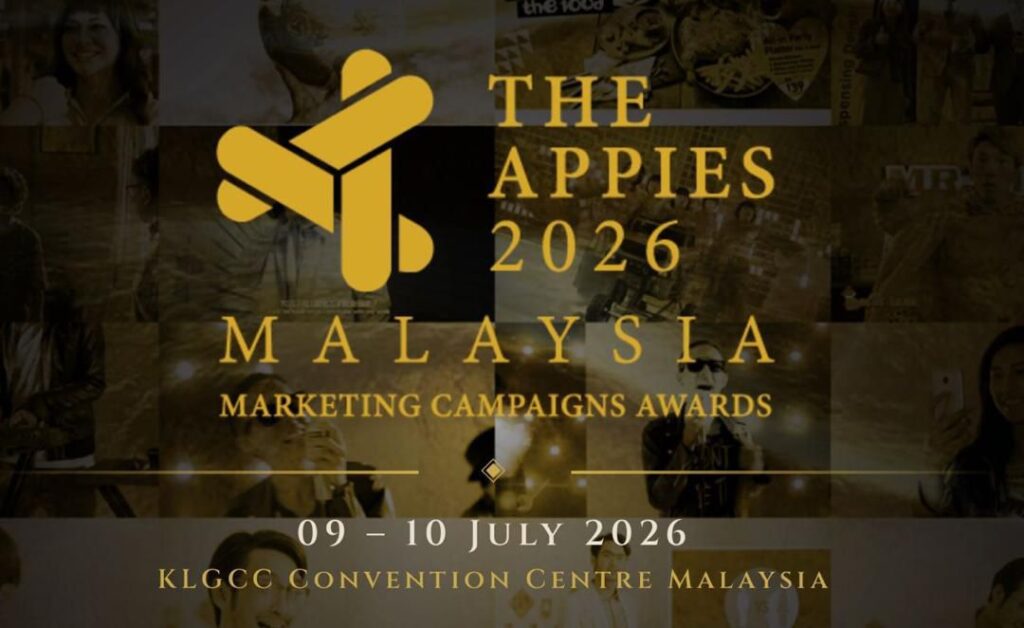
The APPIES is where Malaysia’s boldest campaigns, brightest ideas, and most impactful storytellers take the stage.
More than an awards show, it is the industry’s ultimate platform for creative, media, digital and marketing excellence, where live presentations meet live judging.
This is your chance to showcase work that moved audiences, shaped conversations, and delivered real results.
From breakthrough brand campaigns to innovative digital experiences, the APPIES celebrates the work that defines the future of marketing.
Step into the spotlight alongside the industry’s leading agencies, brands, creatives, strategists and changemakers.
Whether you are aiming for Gold, Silver, Bronze or the prestigious Best of the Best recognition, this is your moment to make history.
Your campaign deserves to be seen.
Your ideas deserve the stage.
Your work deserves the legacy.
KEY DATES
Haven’t subscribed to our Telegram channel yet? Don’t miss out on the hottest updates in marketing & advertising!