By The Malketeer
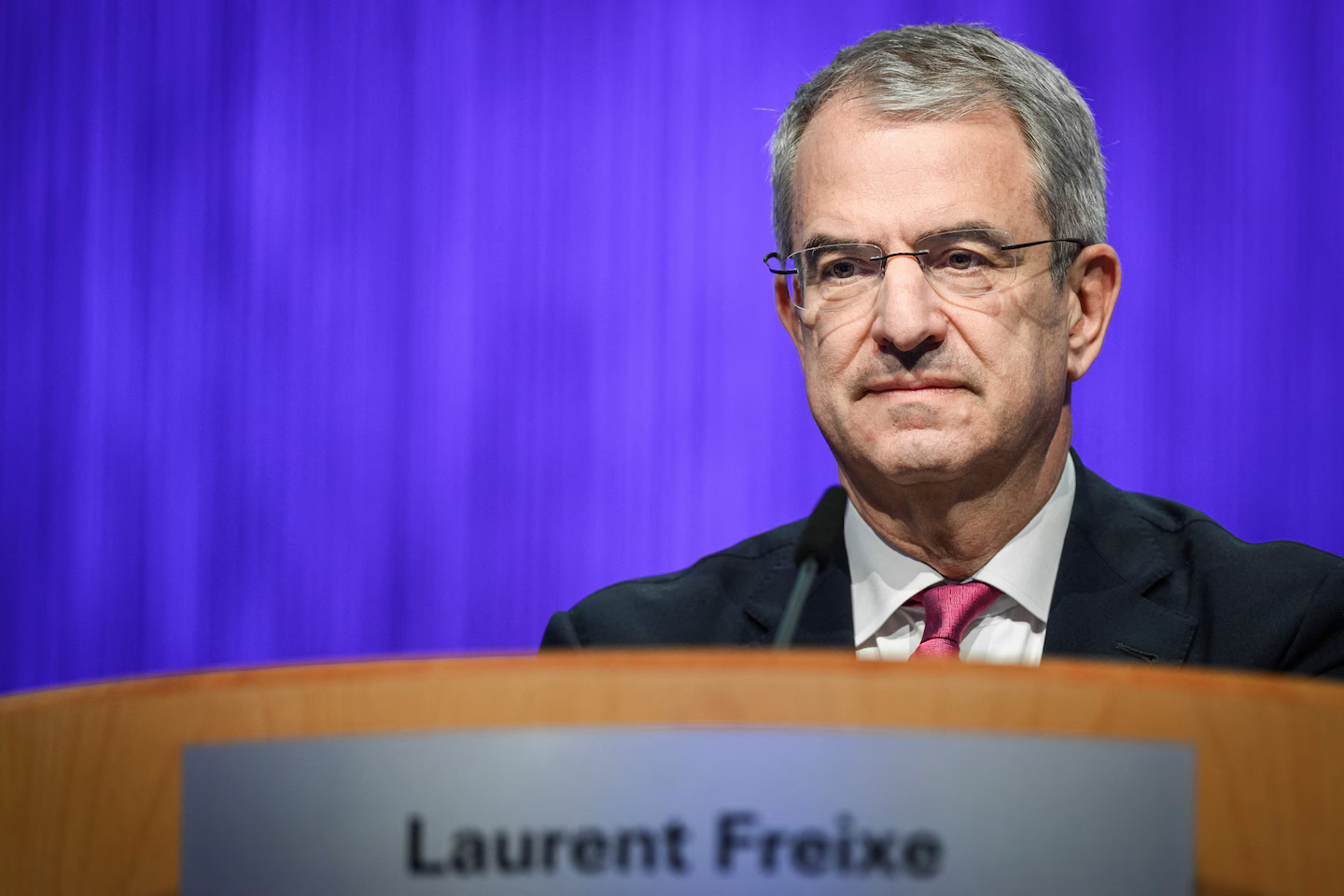
Nestlé, the world’s largest food and beverage company, has dismissed its global chief executive, Laurent Freixe, after just one year in the role.
The decision follows the revelation of an undisclosed romantic relationship with a direct subordinate—an issue the Swiss giant concluded posed a conflict of interest and breach of trust.
The dismissal was immediate, with Nestlé confirming there will be no exit package, reports the BBC.
The move, according to chair Paul Bulcke, was “necessary” to uphold the company’s values and governance standards.
Whistleblowing and Corporate Accountability
The episode began when a complaint was filed through Nestlé’s whistleblowing channel, prompting an internal investigation.
Although early inquiries were inconclusive, continued concerns led the board to commission a second, external probe overseen by Bulcke and independent director Pablo Isla, with the support of outside counsel.
That investigation upheld the claims, resulting in Freixe’s removal.
Nestlé’s handling of the matter—moving from internal inquiry to independent review—demonstrates the growing weight placed on whistleblowing frameworks and corporate accountability.
A Career Ends Abruptly
Freixe’s departure is striking given his long tenure.
Having joined Nestlé nearly four decades ago, he rose steadily through the ranks, eventually replacing Mark Schneider as global CEO in September 2024.
His sudden exit underscores how even the most seasoned executives are not insulated from the consequences of ethical breaches in today’s corporate climate.
Philipp Navratil, a company veteran since 2001, has been named Freixe’s successor.
Bulcke stressed that Nestlé’s “strategy will not change course” and assured stakeholders that performance momentum will continue.
A Familiar Story in Global Business
Nestlé’s decision mirrors similar high-profile exits at other global firms.
In 2019, McDonald’s dismissed CEO Steve Easterbrook over an undisclosed relationship with an employee—only to later uncover additional relationships that led to financial penalties and reputational damage.
BP also parted ways with Bernard Looney in 2023 after he admitted to being less than fully transparent about workplace relationships.
These cases highlight a consistent theme: companies today are under increasing pressure—from regulators, shareholders, employees, and the public—to demonstrate zero tolerance for governance lapses at the top.
The Bigger Picture
Nestlé’s decisive action serves as a clear marker of how global corporations are recalibrating leadership expectations.
The modern CEO is not only expected to deliver growth and strategy but also to embody values in ways that withstand scrutiny from inside and outside the organisation.
For marketers, the lesson extends beyond governance: reputation is fragile, and consistency between brand promise and leadership conduct is paramount.
Consumers today demand authenticity, not only in advertising but also in corporate behaviour.
Nestlé may recover quickly operationally, but the episode is a reminder that in the brand economy, leadership ethics and corporate storytelling are inseparable.
Source: The BBC
Share Post:

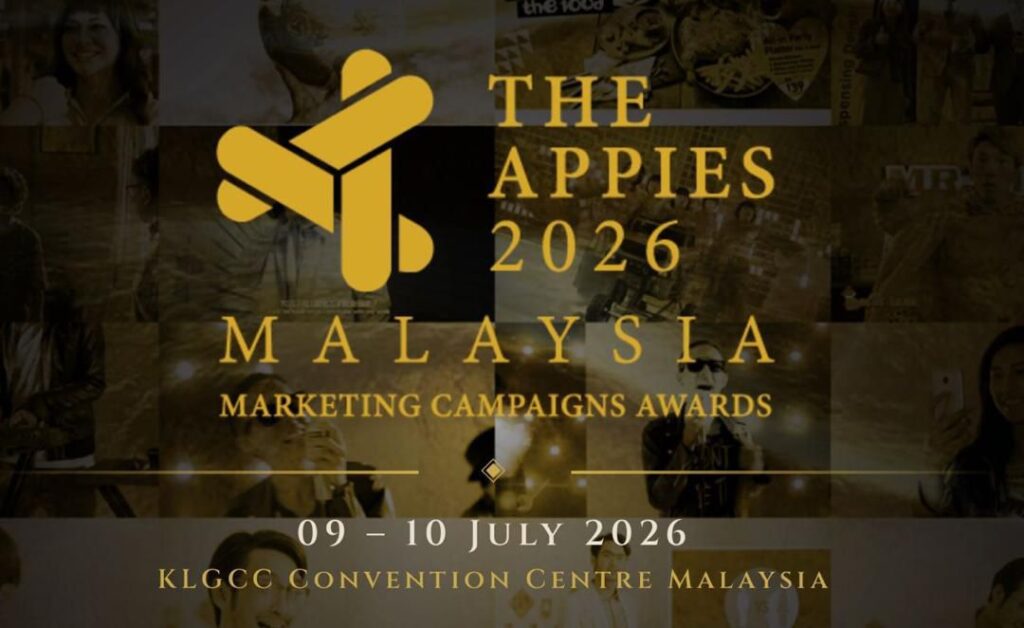
The APPIES is where Malaysia’s boldest campaigns, brightest ideas, and most impactful storytellers take the stage.
More than an awards show, it is the industry’s ultimate platform for creative, media, digital and marketing excellence, where live presentations meet live judging.
This is your chance to showcase work that moved audiences, shaped conversations, and delivered real results.
From breakthrough brand campaigns to innovative digital experiences, the APPIES celebrates the work that defines the future of marketing.
Step into the spotlight alongside the industry’s leading agencies, brands, creatives, strategists and changemakers.
Whether you are aiming for Gold, Silver, Bronze or the prestigious Best of the Best recognition, this is your moment to make history.
Your campaign deserves to be seen.
Your ideas deserve the stage.
Your work deserves the legacy.
KEY DATES
Haven’t subscribed to our Telegram channel yet? Don’t miss out on the hottest updates in marketing & advertising!