By The Malketeer
When Malaysia’s Communications Minister Datuk Fahmi Fadzil publicly rebuked TikTok for appointing a former Israeli Defence Forces (IDF) soldier as its New York–based “hate content manager,” it might have read, to some, as another diplomatic flare-up.
But for marketers and brand custodians, this protest cuts deeper into the very mechanics of trust, algorithms, and cultural legitimacy.
Algorithms Are Never Neutral
Fahmi’s concern is not just about symbolism—it is about influence.
Social platforms live and die by their algorithms.
If users believe those algorithms are skewed—whether in favour of Western aesthetics, political positions, or, in this case, pro-Zionist narratives—trust evaporates.
For brands in Malaysia, that perception matters.
TikTok is not just a stage for K-pop dance challenges; it is a vital commerce pipeline for small traders and an image amplifier for national brands.
If the platform is seen as compromised, local marketers risk being caught in the backlash.
The Business Contradiction
The minister also pointed out a contradiction that marketers would recognise instantly: while TikTok is paying top dollar for the controversial appointment, it is simultaneously laying off staff, including in Malaysia, as it pivots toward AI.
That juxtaposition—lavish spending abroad while cutting jobs at home—feeds into an authenticity crisis.
The irony is painful for brands who themselves are held to account on corporate social responsibility, ESG reporting, and local employment impact.
TikTok is walking into the very trap it often helps expose: inconsistency between global boardroom decisions and local stakeholder expectations.
Balancing Commerce and Conscience
Fahmi was careful to note that Malaysia cannot simply “switch off” TikTok.
Too many livelihoods—hawkers livestreaming satay sales, influencers monetising micro-dramas, SMEs riding #JomLokal—are now tied to the platform.
The minister’s words echo the tension marketers live with daily: how to balance commerce with conscience.
For brands, the lesson is clear. Engagement cannot be blind.
Partnering with platforms that are viewed as politically tone-deaf can damage local equity.
Even if a campaign drives clicks, the reputational fallout could cost more in the long run.
Why This Matters for Marketers
Malaysia’s unwavering stance on Palestine gives this controversy a unique national dimension.
But the underlying question is global: can platforms maintain cultural legitimacy while chasing efficiency and AI-led cost savings?
For marketers, Fahmi’s protest is a warning shot.
It reminds us that digital ecosystems are not abstract pipes of content—they are shaped, curated, and judged by human choices.
And when those choices clash with local values, brands cannot afford to look away.
Share Post:


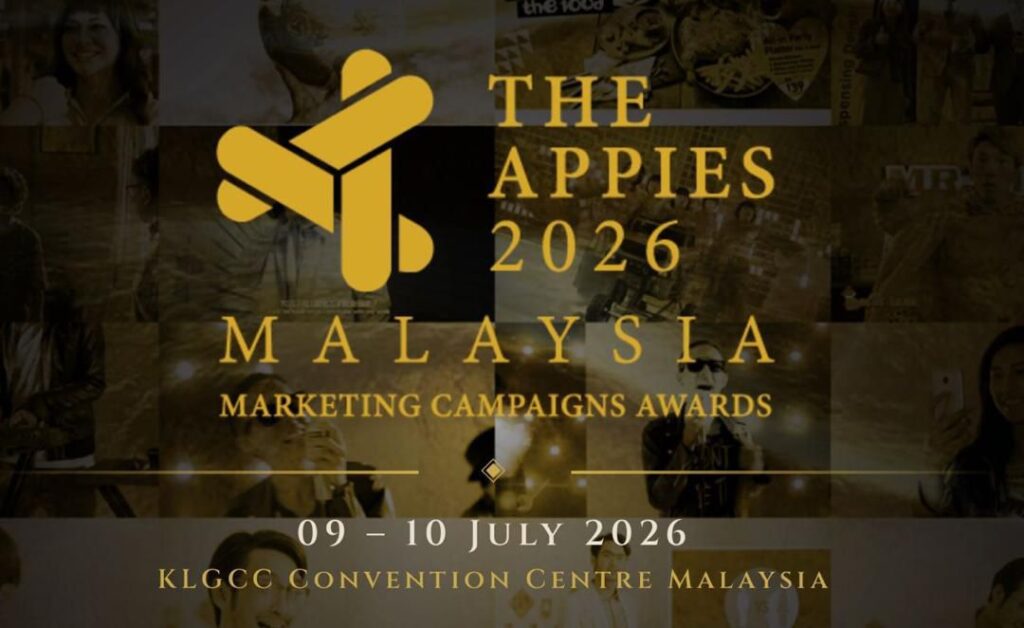
The APPIES is where Malaysia’s boldest campaigns, brightest ideas, and most impactful storytellers take the stage.
More than an awards show, it is the industry’s ultimate platform for creative, media, digital and marketing excellence, where live presentations meet live judging.
This is your chance to showcase work that moved audiences, shaped conversations, and delivered real results.
From breakthrough brand campaigns to innovative digital experiences, the APPIES celebrates the work that defines the future of marketing.
Step into the spotlight alongside the industry’s leading agencies, brands, creatives, strategists and changemakers.
Whether you are aiming for Gold, Silver, Bronze or the prestigious Best of the Best recognition, this is your moment to make history.
Your campaign deserves to be seen.
Your ideas deserve the stage.
Your work deserves the legacy.
KEY DATES
Haven’t subscribed to our Telegram channel yet? Don’t miss out on the hottest updates in marketing & advertising!