By The Malketeer
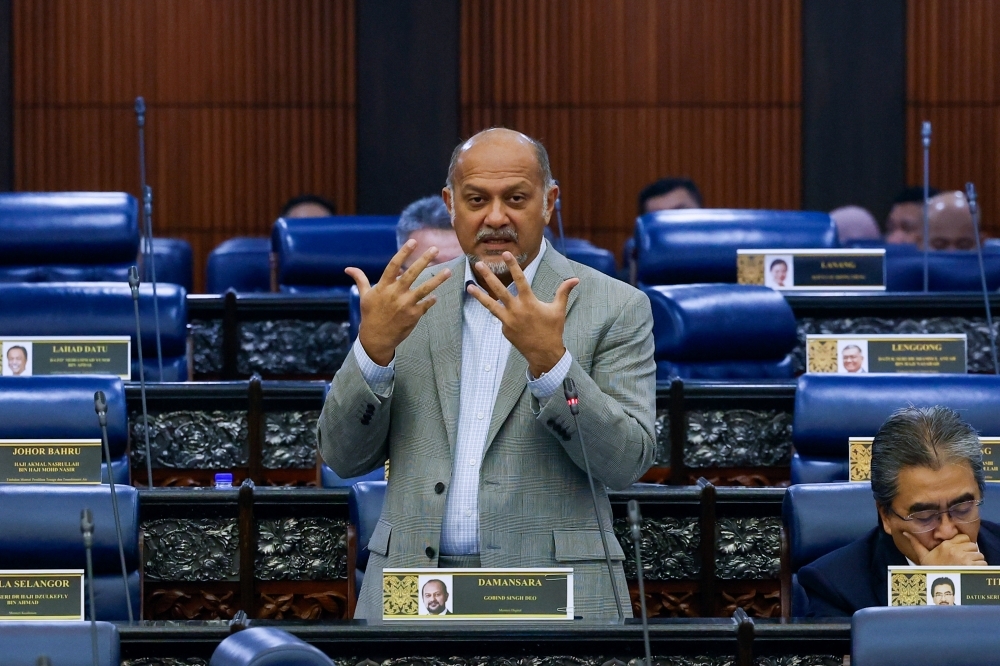
At a time when AI-generated misinformation is advancing faster than policy can catch up, Malaysia’s Digital Minister Gobind Singh Deo is taking bold steps to confront the threat head-on.
In a parliamentary session this week, Gobind unveiled the government’s development of an artificial intelligence (AI) tool to detect deepfakes and verify digital content—marking a significant leap in the country’s cybercrime response.
The initiative, developed through CyberSecurity Malaysia in partnership with Universiti Kebangsaan Malaysia, is poised to analyse the authenticity of images and videos used in online scams, identity theft, and defamation.
For marketers operating in an age where truth, trust, and transparency are currency, this move has far-reaching implications.
The Deepfake Dilemma
The rise of hyper-realistic deepfakes is not just a national security issue—it’s a brand safety nightmare.
From synthetic celebrity endorsements to doctored crisis footage, malicious actors are weaponising AI to manipulate public opinion and erode consumer trust.
For the advertising, media, and communications industry, tools that can detect and mitigate such risks are no longer optional—they are imperative.
Gobind’s announcement signals the beginning of a more secure digital playing field, and marketers should be paying close attention.
Ethics, Data, and Accountability in AI
Gobind also revealed that the Digital Ministry is preparing a set of ethical and responsible AI guidelines, spearheaded by the Department of Personal Data Protection and slated for completion between January and March 2026.
These will include:
For brands exploring AI-powered personalisation, automation, or predictive analytics, this is a timely reminder: ethical design is no longer a nice-to-have—it is policy in the making.
The guidelines align with the existing GPAISA (Guidelines on AI Adaptation), which govern AI use across government agencies.
These frameworks are set to expand into the private sector, and industry leaders will do well to align their AI strategies now—before they are caught flat-footed by regulation.
A National AI Roadmap 2026–2030
The ministry’s approach isn’t just about rules—it’s also about readiness. Through training programmes such as AI4Rakyat and MD Workforce Training (under MDEC), Malaysia is investing in upskilling civil servants, enforcement officers, and private sector players.
This democratisation of AI literacy is crucial in ensuring AI isn’t just understood by tech elites but integrated responsibly across industries.
Looking further ahead, the government is reviewing its National AI Roadmap for 2026–2030, expected to launch by year-end. The roadmap will encompass:
Gobind voiced hopes that Malaysia’s roadmap would not only guide domestic innovation and regulation but also position the country as a regional leader in AI ethics within ASEAN—and potentially on the global stage.
Share Post:


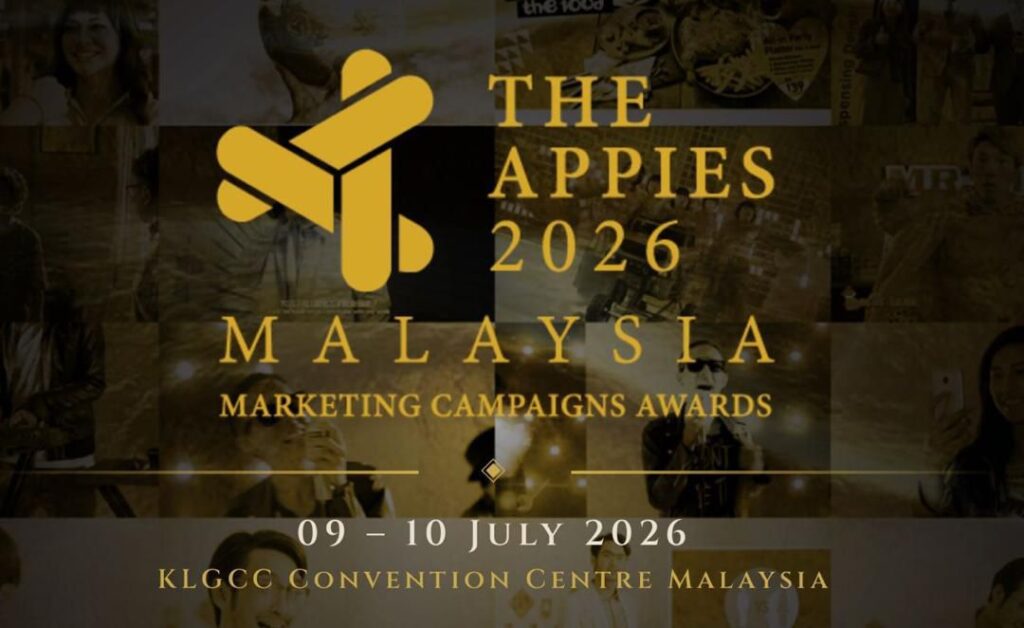
The APPIES is where Malaysia’s boldest campaigns, brightest ideas, and most impactful storytellers take the stage.
More than an awards show, it is the industry’s ultimate platform for creative, media, digital and marketing excellence, where live presentations meet live judging.
This is your chance to showcase work that moved audiences, shaped conversations, and delivered real results.
From breakthrough brand campaigns to innovative digital experiences, the APPIES celebrates the work that defines the future of marketing.
Step into the spotlight alongside the industry’s leading agencies, brands, creatives, strategists and changemakers.
Whether you are aiming for Gold, Silver, Bronze or the prestigious Best of the Best recognition, this is your moment to make history.
Your campaign deserves to be seen.
Your ideas deserve the stage.
Your work deserves the legacy.
KEY DATES
Haven’t subscribed to our Telegram channel yet? Don’t miss out on the hottest updates in marketing & advertising!