Every four years, Malaysia briefly becomes a sleep-deprived nation fuelled by teh tarik, irrational optimism and highly questionable declarations such as, “This is England’s year.”
The FIFA World Cup does not merely arrive. It quietly stages a coup.
Suddenly, perfectly reasonable adults begin reorganising their lives around kick-off schedules taking place on the other side of the planet.
Meetings become shorter. Mornings become slower. Productivity develops a mysterious limp. WhatsApp groups that spent months arguing about politics pivot overnight into tactical analyses nobody asked for.
For one glorious month, football becomes Malaysia’s unofficial second religion. For marketers, it is one of the strangest, most revealing moments in consumer behaviour.
Because the World Cup does something no media planner, behavioural scientist or AI-powered segmentation model can fully predict.
It temporarily rewires national habits.
A Nation Running on Teh Tarik and Hope
The timing alone is enough to throw everyday routines into chaos. Matches in the United States, Canada and Mexico mean bleary-eyed viewing sessions at impossible hours.
Midnight becomes prime time. Three in the morning suddenly feels oddly social.
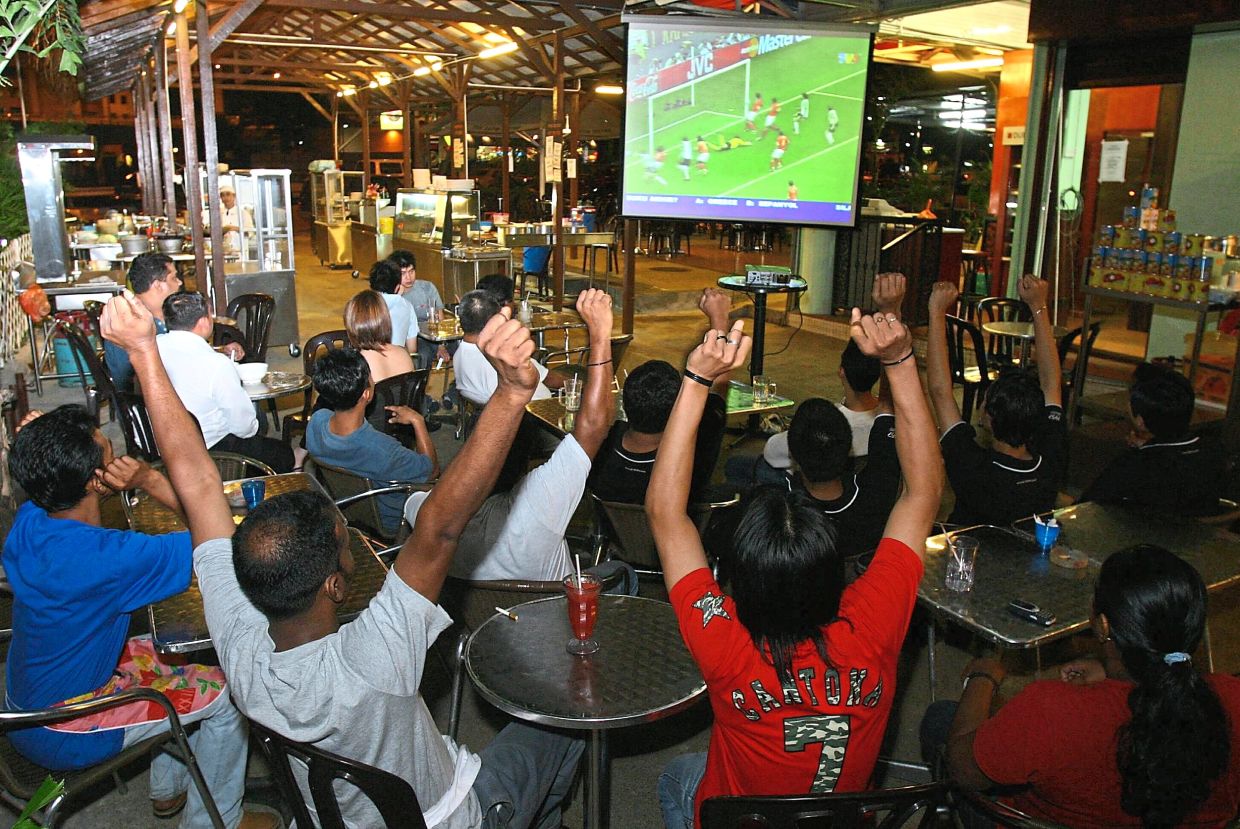
Malaysia’s mamaks, already our unofficial town squares, transform into something between stadiums, confession booths and diplomatic summits.
Rival fans occupy neighbouring tables with the emotional restraint of rival political camps during election season.
Someone orders another round of roti canai. Someone else loudly explains why France’s midfield lacks “balance,” despite having never successfully balanced their own monthly budget.
And somehow, everyone belongs.
The Ritual Economy of Football
This is where the marketing magic begins.
Most brands think sponsorship is the World Cup playbook. Slap a footballer on a billboard. Run a “predict and win” contest. Offer discounts tied to goals scored. Job done.
But the smartest brands understand something deeper. The World Cup is not really about football. It is about ritual.
The ritual of staying awake with friends. The ritual of gathering at mamaks. The ritual of arguing over refereeing decisions with the confidence of a seasoned FIFA executive. The ritual of collective heartbreak when your chosen team crashes out in penalties.
Brands that understand behaviour not just branding tend to win.
Take food delivery platforms. During major tournaments, they are not selling convenience. They are selling companionship disguised as supper.
Fast-food chains are not competing on burgers. They are competing for “match moments.”
Telcos are suddenly in the business of preventing emotional meltdowns caused by buffering during penalty shootouts. Even coffee brands quietly become performance enhancers for the national sleep deprivation programme.
For one month, categories blur. Beer brands become emotional enablers. Banking apps become betting companions for harmless office prediction pools.
Ride-hailing platforms suddenly transport fans between viewing spots like football pilgrims making sacred journeys from one big screen to another.
This is what marketers call contextual relevance. Or what ordinary Malaysians call “timing.”
The Last Great Shared Screen
Yet there is another layer to the World Cup phenomenon that deserves attention.
For a deeply fragmented world — politically noisy, economically anxious and socially divided — the tournament offers something brands desperately spend millions trying to manufacture: shared attention.
Think about it.
In an age where audiences splinter across algorithms, personalised feeds and niche interests, the World Cup forces millions into the same emotional conversation.
A wonder goal trends instantly. A controversial VAR decision becomes universal outrage. A giant-killing upset sparks memes before the final whistle.
For a few weeks, everyone is looking in roughly the same direction. That is marketing gold. Shared culture has become increasingly rare. The World Cup creates it at industrial scale.
It is perhaps why advertisers become unusually sentimental during football season. Even cynical marketers secretly admire what football still manages to do — unite people who otherwise disagree on almost everything.
The Manchester United fan cheers alongside the Liverpool supporter.
The uncle who usually dominates political arguments suddenly becomes vulnerable over Brazil’s defence. The Gen Z nephew who communicates mostly through memes suddenly finds common language with his father. Football becomes family therapy with extra shouting.
Beyond the Usual Football Clichés
Of course, Malaysian brands have their own challenge. How do you show up without becoming painfully predictable? Every tournament brings an avalanche of football clichés. Endless references to goals, passion, victory, teamwork and dreams.
Advertising that feels assembled from a global “Football Campaign Starter Pack.” The better route is cultural truth. Speak to what Malaysians actually experience.
The sleepy executive pretending to work after a 4am kick-off. The office absenteeism disguised as “slight fever.” The mamak owner becoming accidental host of a multinational gathering.
The nation-wide emotional swings based entirely on whether Argentina or Brazil survives another round. The best campaigns will understand this beautifully messy local reality.
Because while the World Cup may happen thousands of kilometres away, its emotional headquarters briefly relocates here — somewhere between a mamak television screen, a group chat argument and an exhausted office pantry conversation.
For one month, Malaysian life turns upside down. And marketers would be wise not to interrupt it.
Just join the table, order the teh tarik, and understand what is really being watched. It isn’t football. It is culture happening live. For one month, politics loses to penalty shootouts.
Share Post:
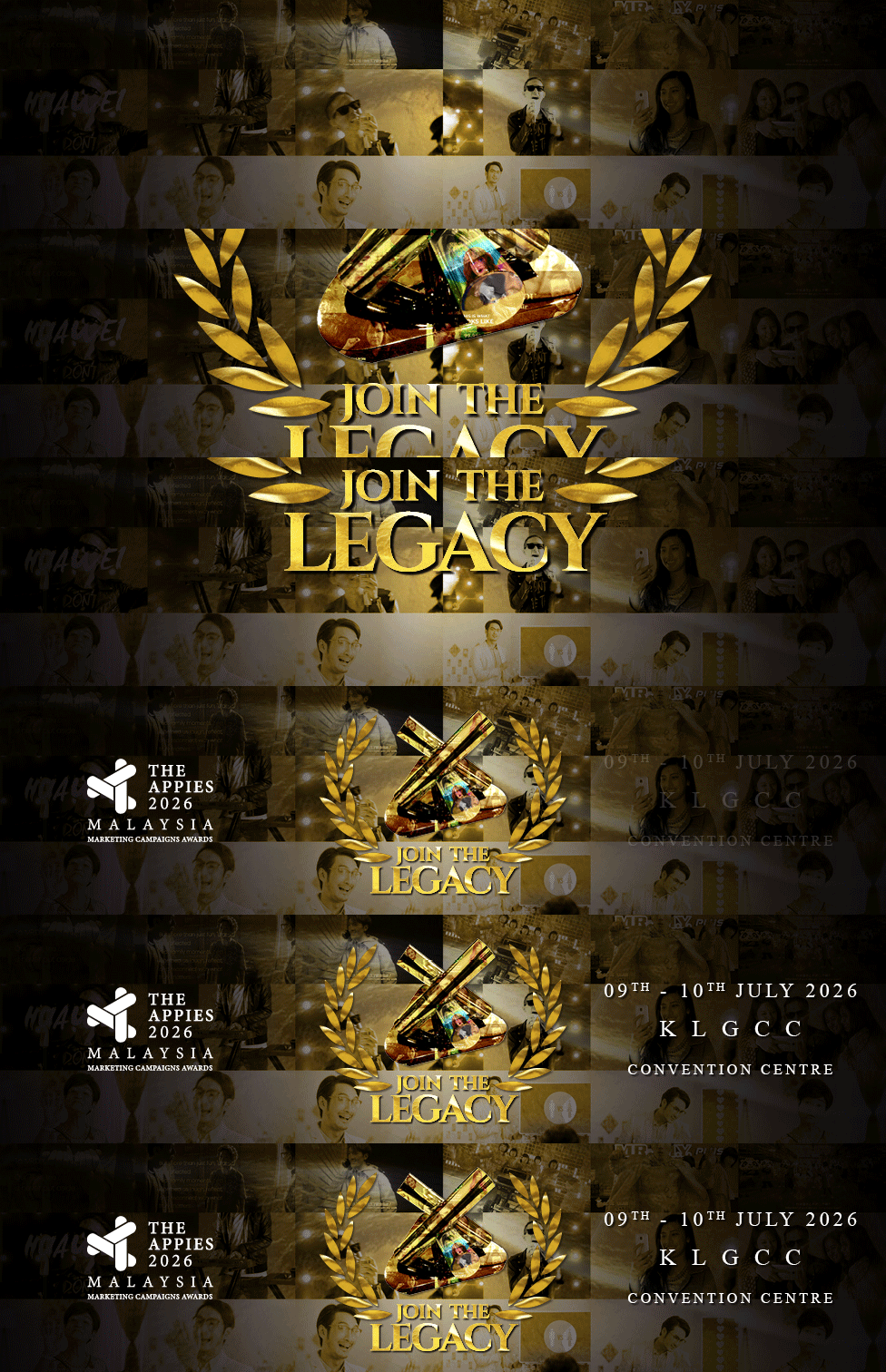
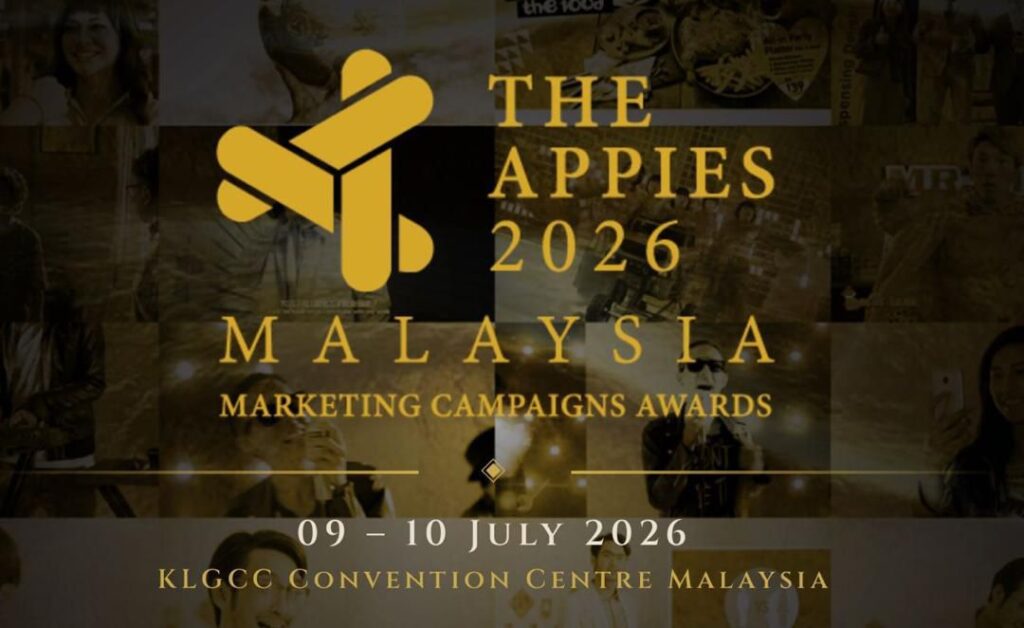
The APPIES is where Malaysia’s boldest campaigns, brightest ideas, and most impactful storytellers take the stage.
More than an awards show, it is the industry’s ultimate platform for creative, media, digital and marketing excellence, where live presentations meet live judging.
This is your chance to showcase work that moved audiences, shaped conversations, and delivered real results.
From breakthrough brand campaigns to innovative digital experiences, the APPIES celebrates the work that defines the future of marketing.
Step into the spotlight alongside the industry’s leading agencies, brands, creatives, strategists and changemakers.
Whether you are aiming for Gold, Silver, Bronze or the prestigious Best of the Best recognition, this is your moment to make history.
Your campaign deserves to be seen.
Your ideas deserve the stage.
Your work deserves the legacy.
KEY DATES
Haven’t subscribed to our Telegram channel yet? Don’t miss out on the hottest updates in marketing & advertising!