By The Malketeer
In a world where every scroll, swipe and screen grab can spark debate, a single image is all it took for Marks & Spencer to come under fire.
The iconic British retailer recently had one of its online ads banned by the UK’s Advertising Standards Authority (ASA) – not for lewdness, profanity or misinformation – but for featuring a model deemed “unhealthily thin.”
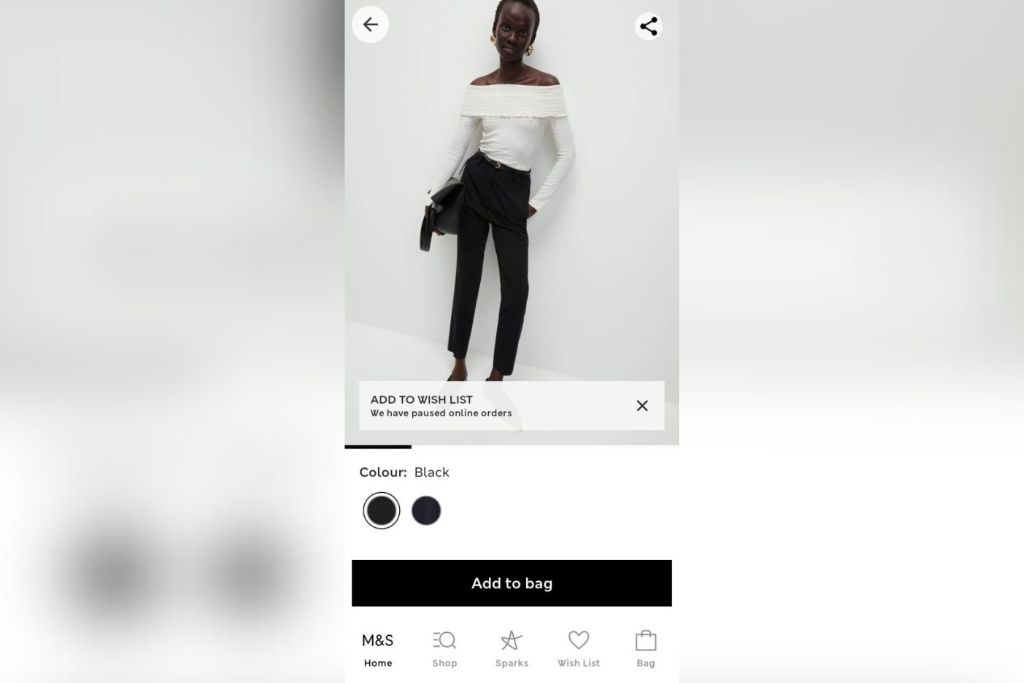
The advert, which showcased slim-fit trousers and a white top from M&S’s spring collection, appeared on its website during April and May 2025.
On the surface, the image portrayed nothing more than fashion-forward minimalism.
But according to the ASA, the model’s visible collarbones, arched posture, and proportionally small frame – accentuated by stylistic pointed shoes – sent a troubling message.
“The ad gave the impression that the model was unhealthily thin,” the regulator ruled, following four formal complaints and a broader review of three other ad placements.
While the ASA dismissed three of the four complaints, it concluded that one specific image crossed the line of social responsibility.
That image, they said, must never appear again in its original form.
Marks & Spencer responded swiftly, defending the ad’s intention as one meant to project “confidence and ease,” not to glorify extreme thinness.
Nonetheless, the retailer has since removed the contentious visuals and adjusted its styling approach.
A minor blip for M&S, perhaps but a major reminder for brand custodians everywhere.
The Thin Line Between Trendy and Troubling
At the heart of this controversy lies a modern marketing conundrum: how do you showcase aspirational aesthetics without falling into the trap of promoting unattainable or unhealthy ideals?
We live in a time where body positivity is not just a cultural conversation – it’s a brand imperative.
While high fashion once thrived on waif-like figures and angular silhouettes, today’s consumer (especially Gen Z and Gen Alpha) demands more inclusive and realistic representations of beauty.
The ASA’s move signals more than regulatory vigilance; it highlights a shifting societal standard.
What was acceptable in 2005 may no longer be tolerated in 2025.
Visuals are now judged not only by their creative merit, but by their emotional and psychological impact.
What Can Malaysian Brands Learn?
Malaysia’s own advertising landscape has long walked a careful path between Western aesthetics and local sensitivities.
But as we catch up with global standards on diversity, inclusivity and mental wellness, there are a few key takeaways from this M&S incident that our marketers would be wise to consider:
The truth is, no brand wants to be the poster child for poor judgment.
And in an era where consumers are brand watchdogs and social media is the new tribunal, prevention is always better than reaction.
Marks & Spencer may survive this hiccup with little damage to its reputation, but for smaller or local brands in Malaysia – where public trust is hard-won and easily lost – one poorly judged visual can unravel years of goodwill.
Fashion may be about making a statement, but in 2025, the smartest statement is one of conscious care.
Show us beauty – but make it real.
Make it healthy. Make it human.
Share Post:

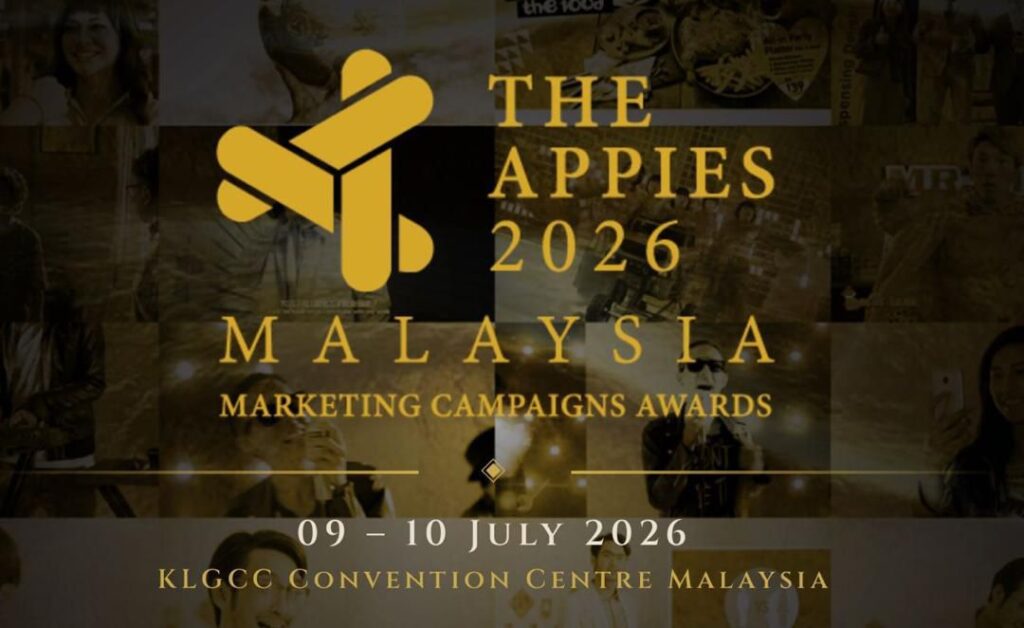
The APPIES is where Malaysia’s boldest campaigns, brightest ideas, and most impactful storytellers take the stage.
More than an awards show, it is the industry’s ultimate platform for creative, media, digital and marketing excellence, where live presentations meet live judging.
This is your chance to showcase work that moved audiences, shaped conversations, and delivered real results.
From breakthrough brand campaigns to innovative digital experiences, the APPIES celebrates the work that defines the future of marketing.
Step into the spotlight alongside the industry’s leading agencies, brands, creatives, strategists and changemakers.
Whether you are aiming for Gold, Silver, Bronze or the prestigious Best of the Best recognition, this is your moment to make history.
Your campaign deserves to be seen.
Your ideas deserve the stage.
Your work deserves the legacy.
KEY DATES
Haven’t subscribed to our Telegram channel yet? Don’t miss out on the hottest updates in marketing & advertising!