There is a moment in every customer relationship when a brand discovers what it truly believes. It is not when the customer signs up. It is when the customer tries to leave.
For Virgin Media, that moment has come with a £28 million fine. That is roughly RM153 million. A staggering price for making goodbye too difficult.
The UK communications regulator Ofcom found that customers trying to cancel their contracts were repeatedly subjected to tactics that made leaving unnecessarily difficult.
Calls were transferred again and again. Customers were kept on hold for no apparent reason. Some were repeatedly pressured to stay.
And in perhaps the most damaging finding of all, agents were found to have deliberately hung up on customers trying to cancel.
Millions of calls were “likely mishandled” over a three-year period. But the most important lesson for marketers is not simply that customers were treated badly. It is why.
The KPI became the customer experience
Ofcom found that Virgin Media’s commission structure effectively encouraged and financially rewarded agents for behaviour that delayed or prevented customers from leaving.
Read that again. The people speaking to customers had a financial reason to make leaving difficult.
That should make every CEO, CMO and customer experience leader uncomfortable. Because brands spend fortunes talking about customer centricity.
They invest in advertising. Brand purpose. Loyalty programmes. CRM platforms. Customer journey mapping. Experience design.
Then somewhere deep inside the organisation, an employee may be rewarded for doing the exact opposite of what the brand promises.
Customers do not see departments. They see one brand.
They do not care whether the problem came from marketing, sales, finance, operations or a call centre incentive scheme. They simply know how the company made them feel.
If an employee earns more by stopping a cancellation, the customer will eventually feel that incentive. The KPI becomes the behaviour. The behaviour becomes the culture. And the culture becomes the brand.
“Basically I gave up”
The human cost of bad customer retention is often hidden inside spreadsheets. Then someone tells their story.
Anthony, a 58-year-old customer from Brighton, had been with Virgin Media for a decade. Concerned that prices had been rising sharply, he tried to cancel his television package before it renewed.
He called. He encountered garbled automated messages. The call dropped.
He never reached a person. “Basically I gave up,” he said. His subscription was renewed. He is now paying £90 more every month than he was the previous year.
That sentence — “I gave up” — may be the most revealing part of this entire case. Because customer frustration is not always loud. There is not always an angry Facebook post.
Not every bad experience becomes a viral TikTok. Not every disappointed customer fills in the feedback form. Sometimes people simply become exhausted. And give up.
That exhaustion may protect a month’s revenue. It may even make the churn numbers look better. But it destroys something much harder to rebuild. Trust.
Retention is not captivity
There is a world of difference between persuading a customer to stay and making it difficult for them to leave. Good retention earns another chance. Bad retention blocks the exit.
The first involves listening, solving a problem or offering genuine value. The second relies on friction, fatigue and delay.
Ofcom found that Virgin Media operated a two-tier retention system in which only agents in the second tier could process cancellations.
More than one million callers were reportedly forced to repeat their request to at least one more agent.
For a customer who has already decided to leave, that is not customer service. It is resistance.
There is a name marketers should perhaps start using more often. Dark retention. The corporate cousin of dark patterns in digital design.
Systems that technically allow customers to cancel, leave or switch, while making the journey so exhausting that some surrender along the way.
The dangerous part is that the numbers can initially look good. Churn falls.
Retention rises. Revenue is protected. The dashboard glows green. Until the complaints arrive. Then the regulator. Then the RM153 million fine. Then the headlines.
The door matters as much as the welcome
Virgin Media has apologised and says it has transformed its customer service, redesigned processes and addressed the historic failures.
The company says complaints about difficulties leaving were 89% lower last year than in 2023. Those improvements matter. But so does the lesson. This is not really a customer service story.
It is a warning about what happens when incentives, targets and customer interests stop pointing in the same direction. Marketing may create the promise. Operations deliver it. Finance measures it. Sales chases it.
Customer service lives with it. But the customer sees only one brand. A customer who wants to leave is not an enemy to be defeated.
They may be disappointed. They may have found a better deal. They may even return one day. But only if the door was not locked behind them. Perhaps that is the real RM153 million lesson from Virgin Media.
The most revealing test of customer loyalty is not how hard a brand fights to stop people leaving. It is whether, after being allowed to leave with dignity, they would ever consider coming back.
Share Post:

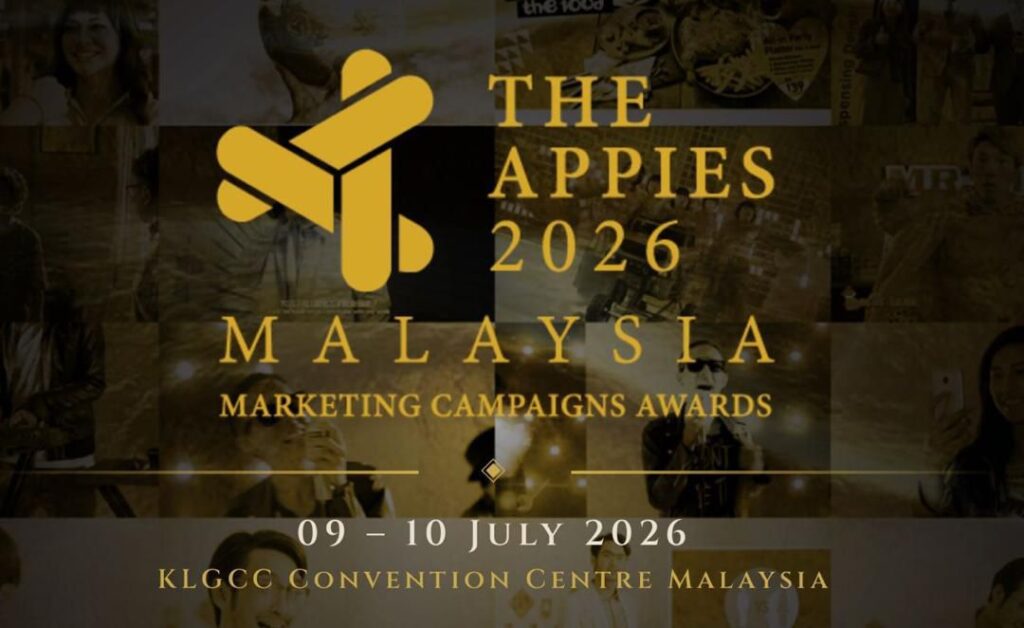
The APPIES is where Malaysia’s boldest campaigns, brightest ideas, and most impactful storytellers take the stage.
More than an awards show, it is the industry’s ultimate platform for creative, media, digital and marketing excellence, where live presentations meet live judging.
This is your chance to showcase work that moved audiences, shaped conversations, and delivered real results.
From breakthrough brand campaigns to innovative digital experiences, the APPIES celebrates the work that defines the future of marketing.
Step into the spotlight alongside the industry’s leading agencies, brands, creatives, strategists and changemakers.
Whether you are aiming for Gold, Silver, Bronze or the prestigious Best of the Best recognition, this is your moment to make history.
Your campaign deserves to be seen.
Your ideas deserve the stage.
Your work deserves the legacy.
KEY DATES
Haven’t subscribed to our Telegram channel yet? Don’t miss out on the hottest updates in marketing & advertising!