By The Malketeer
Let’s be honest: the term “purpose” has been overused, oversold, and underdelivered in marketing circles.
For too many brands, it’s a feel-good paragraph buried in an ESG report or a campaign hashtag dusted off every Merdeka or Earth Day.
But in 2025, the reality is this: Consumers no longer buy what you make—they buy what you stand for.
The Neuroscience of Why Purpose Works
People don’t fall in love with features.
They fall in love with meaning.
Neuroscience studies reveal that purpose-driven messaging activates the brain’s empathy and memory centres more than transactional ads.
In other words, stories with soul stick.
A Deloitte Global survey found that brands with a strong sense of purpose outperform the stock market by 42% over a 10-year period.
This isn’t fluff—it’s fact.
Global Brands, Local Impact
Some of the world’s most successful brands have made purpose their anchor, and their competitive edge.
When Nike backed Colin Kaepernick in their 2018 “Believe in Something” campaign, critics predicted boycotts.
Instead, Nike’s stock surged, sales spiked by 31% in just three days, and the brand reaffirmed its cultural relevance.
Nike didn’t just take a stand—they took a risk. And it paid off.
Patagonia’s most famous ad told consumers not to buy its products unless they truly needed them.
Patagonia’s long-standing commitment to the environment (including giving away the company to a conservation trust in 2022) has earned it cult loyalty.
The result is a billion-dollar business built on doing good—while doing well.
Dove’s “Real Beauty” campaign, celebrating body diversity and challenging stereotypes, turned a struggling soap brand into a global movement.
Sales tripled. Brand equity soared. And it started conversations that still matter today.
What About Malaysia?
We’re no stranger to purpose either—but it’s time to move beyond CSR checkboxing.
Brands like PichaEats (empowering refugee chefs), RHB’s Challenger Series (backing dreamers and doers), and Uncle Kentang’s tie-ups with FMCG brands to fund community welfare are showing us how Malaysian brands can embed purpose into their business model—not just their marketing.
But for every one of these efforts, there are dozens of “greenwashed” or “cause-chasing” campaigns that feel hollow.
And Malaysian consumers can tell.
The Danger of Purpose Theatre
Here’s the truth: authenticity is the new brand currency.
A study by Edelman found that 71% of Gen Z won’t forgive a brand that lies about its values, and 64% will boycott a brand over misleading stances.
Simply put, you can’t fake purpose anymore.
Not when every smartphone is a watchdog.
Not when your brand’s values are dissected in comments, reviews, Reddit threads, and WhatsApp groups.
The Payoff for Brands Who Get It Right
Here’s why purpose pays off:
How to Build a Brand That Actually Means Something
Not sure where to start? Ask these questions:
Then, operationalise it. Don’t stop at a campaign.
Change hiring practices. Review sourcing. Rethink distribution. Make it real.
Start with Truth, End with Trust
Purpose is not about looking good.
It’s about doing good—and letting that goodness speak for you.
It’s the quiet power behind movements, not the loud noise of slogans.
As marketers, we have an opportunity—and a responsibility—to create brands with conscience, not just conversion funnels.
In a world of AI, algorithm fatigue, and attention scarcity, it turns out the most disruptive thing a brand can do is:
Stand for something. And follow through.
Share Post:

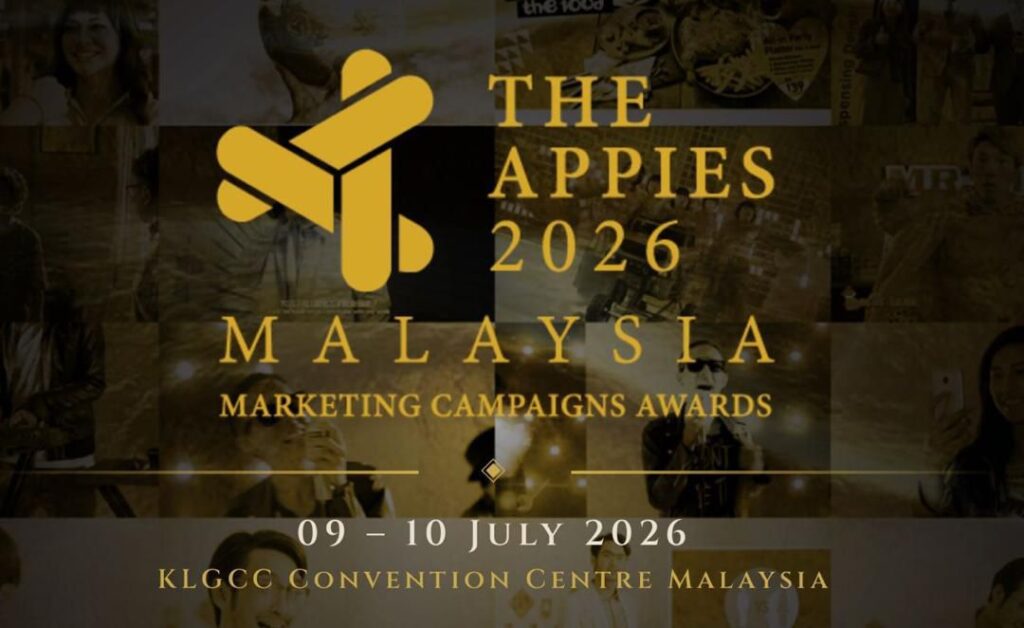
The APPIES is where Malaysia’s boldest campaigns, brightest ideas, and most impactful storytellers take the stage.
More than an awards show, it is the industry’s ultimate platform for creative, media, digital and marketing excellence, where live presentations meet live judging.
This is your chance to showcase work that moved audiences, shaped conversations, and delivered real results.
From breakthrough brand campaigns to innovative digital experiences, the APPIES celebrates the work that defines the future of marketing.
Step into the spotlight alongside the industry’s leading agencies, brands, creatives, strategists and changemakers.
Whether you are aiming for Gold, Silver, Bronze or the prestigious Best of the Best recognition, this is your moment to make history.
Your campaign deserves to be seen.
Your ideas deserve the stage.
Your work deserves the legacy.
KEY DATES
Haven’t subscribed to our Telegram channel yet? Don’t miss out on the hottest updates in marketing & advertising!