By The Malketeer
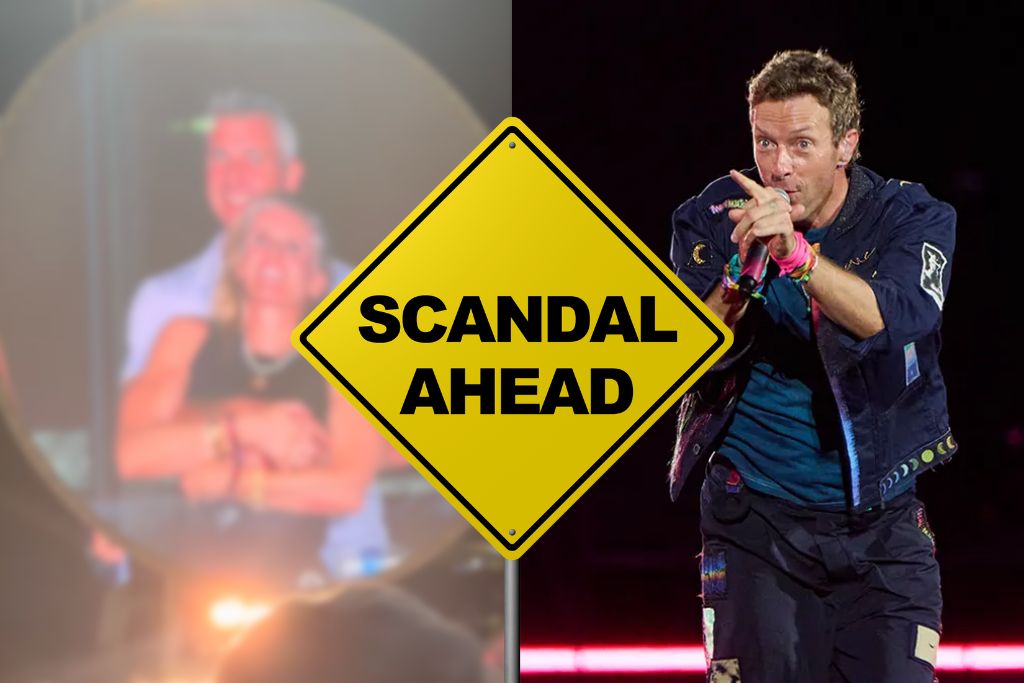
It started with a Kiss Cam.
But instead of drawing cheers, it triggered one of the most viral brand crises of the year.
At a Coldplay concert in Boston’s Gillette Stadium on 16 July, the camera zoomed in on two concertgoers seated side by side—Andy Byron, the CEO of marketing analytics firm Astronomer, and Kristin Cabot, the company’s Head of HR.
Their reaction—him ducking, her visibly panicking—was pure meme-fodder. The internet did the rest of the job.
Within hours, the clip had gone viral across TikTok, X, and Reddit.
Coldplay’s own Chris Martin added fuel to the fire by joking mid-concert, “Either they’re having an affair or they’re just very shy.”
His remark—lighthearted to the crowd—would be replayed and reframed in thousands of clips worldwide.
Viral Velocity Meets Corporate Vulnerability
The digital blowback was immediate.
According to Axios, over 22,000 news stories and online references surfaced in less than 24 hours .
Spoof accounts emerged. Misinformation—including fake apology videos, AI-generated family statements, and faux employee leaks—flooded social channels .
Astronomer initially stayed silent—a move many PR experts deemed a critical error.
As Business Insider noted, “The company ceded control of the narrative in its most critical moment” .
Worse still, reports began surfacing of Byron’s alleged “toxic leadership,” creating the perfect storm of scandal, speculation, and schadenfreude.
From Kiss to Crisis: The Resignation Heard Around Tech
Four days later, Byron resigned.
The board accepted his decision and appointed co-founder Pete DeJoy as interim CEO.
A short statement from Astronomer read: “We hold our leaders to the highest standards. That standard was not met. This moment requires accountability” .
It was a succinct message. But many felt it came too late.
“The delay allowed deepfakes, parodies, and fake employees to dominate search results,” says one brand safety strategist.
“They lost control early—and paid the price.”
Crisis to Clicks: Brands Jump on the Bandwagon
While Astronomer stumbled, other brands pounced.
Netflix tweeted a cheeky “Coming soon to a Coldplay concert near you.”
The Phillie Phanatic mascot appeared at a baseball game mimicking the Byron duck-and-hide move.
The Duolingo owl chimed in with, “Learn how to say ‘I swear it’s not what it looks like’ in Spanish.”
The meme moment became a marketing feast.
The incident demonstrated how fast brands can weaponise virality in the midst of a “corporate scandal”.
From snarky tweets to brand-led parody ads, marketers transformed one company’s nightmare into a masterclass in newsjacking.
Marketing Lessons from a Meltdown
This wasn’t just a scandal. It was a case study.
Here are five key marketing and PR lessons from Astronomer’s viral Kiss Cam saga:
Rebuilding Reputation in the Algorithm Age
The fallout isn’t over.
Byron is gone, but Astronomer now sits under a reputational microscope.
Every campaign, product update, and leadership change will be dissected.
Trust lost virally takes time to rebuild organically.
Yet, in a strange twist, brand visibility for Astronomer has never been higher.
As Business Insider dryly noted, “You can’t buy this kind of attention. But you can learn from it” .
For marketers, this saga offers a masterclass in speed, tone, and accountability.
The next viral PR disaster could strike anywhere.
The question is—will your brand freeze… or seize?
Share Post:
The APPIES is where Malaysia’s boldest campaigns, brightest ideas, and most impactful storytellers take the stage.
More than an awards show, it is the industry’s ultimate platform for creative, media, digital and marketing excellence, where live presentations meet live judging.
This is your chance to showcase work that moved audiences, shaped conversations, and delivered real results.
From breakthrough brand campaigns to innovative digital experiences, the APPIES celebrates the work that defines the future of marketing.
Step into the spotlight alongside the industry’s leading agencies, brands, creatives, strategists and changemakers.
Whether you are aiming for Gold, Silver, Bronze or the prestigious Best of the Best recognition, this is your moment to make history.
Your campaign deserves to be seen.
Your ideas deserve the stage.
Your work deserves the legacy.
KEY DATES
Haven’t subscribed to our Telegram channel yet? Don’t miss out on the hottest updates in marketing & advertising!