By The Malketeer
We like to think we’re built differently.
That our creative hustle, late-night grinds, back-to-back meetings, and weekend pitches are just “part of the job”.
That passion will protect us.
That purpose will sustain us.
That burnout, if it ever happens, happens to someone else.
That illusion is crumbling.
Burnout in Malaysia’s marketing and communications industry isn’t just rising—it’s rampant.
The alarm bells are there: endless WhatsApp messages even after midnight, pitches planned over long weekends, teams surviving on coffee and adrenaline, not strategy and sustainability.
But we carry on because we’re told that this is what excellence demands.
In truth, we’re silently breaking.
The Culture of Glorified Exhaustion
There’s an unspoken badge of honour we wear for being constantly “on”.
From agency creatives to brand leads, there’s a deeply ingrained culture that glorifies exhaustion as commitment.
Clients reward reactivity.
Leaders mistake burnout for bravery.
Junior staff feel pressured to always be available.
But at what cost?
A 2023 JobStreet survey reported that more than 53% of Malaysian professionals experience symptoms of burnout, with marketing professionals ranking among the top five sectors most affected.
The numbers tell a grim story—but numbers alone don’t capture the depth of damage.
Because burnout isn’t just about being tired.
It’s about waking up with dread.
It’s about that sharp spike of anxiety when you hear a Slack notification.
It’s about losing joy in what you once loved.
It’s mental fog during brainstorms.
It’s the physical toll—migraines, chest tightness, sleepless nights.
And sometimes, it’s about breaking down while writing a brief, knowing you can’t go on.
Not Laziness, But a Systemic Breakdown
Too often, burnout is mistaken for laziness or poor time management.
We dismiss colleagues who are struggling as “fragile” or “lacking drive”.
But burnout is not a personal failure—it’s a systemic one.
One rooted in unrealistic expectations, toxic timelines, under-resourced teams, and poor boundaries.
Let’s not forget: people enter this industry because they care.
They want to create something meaningful.
They want to inspire.
But when passion becomes exploitation, when late nights become the rule rather than the exception, even the most resilient start to falter.
The Marketing Myth of “Always On”
In our bid to stay culturally relevant and “always on”, we’ve lost sight of what truly matters.
We chase virality.
We embrace hyper-productivity.
We push 10-second TikToks and call it strategy.
But somewhere between the KPIs and the chaos, we’ve created an ecosystem where rest is rare, and recovery is a luxury few can afford.
In the end, a burnt-out creative can’t be innovative.
A disillusioned brand manager can’t lead.
A demoralised strategist can’t spark magic.
We need a hard reset.
Reclaiming Resilience
Real resilience isn’t about pushing through pain.
It’s not about being the last person standing in the boardroom.
It’s about knowing when to pause.
When to protect your boundaries.
When to say: “this isn’t sustainable”.
We need to shift from survival mode to sustainability.
And this shift requires three things:
A New Definition of Success
The true measure of a healthy marketing ecosystem isn’t how many awards it wins, but how many careers it sustains without breaking its people.
Imagine an industry where creative excellence doesn’t require personal exhaustion.
Where junior talent doesn’t burn out in two years.
Where we design campaigns with heart and humanity.
That future isn’t utopian. It’s necessary.
As professionals, managers, agency leaders, and clients—we all have a part to play.
It begins with recognising burnout not as a personal weakness, but as a collective wound.
One that needs our immediate attention.
Let’s stop applauding exhaustion.
Let’s start honouring energy, empathy, and sustainability.
Because no campaign, no pitch, no project is worth your mental health.
And burnout doesn’t just happen to “other people”.
It happens to the best of us—until we choose a better way forward.
Share Post:
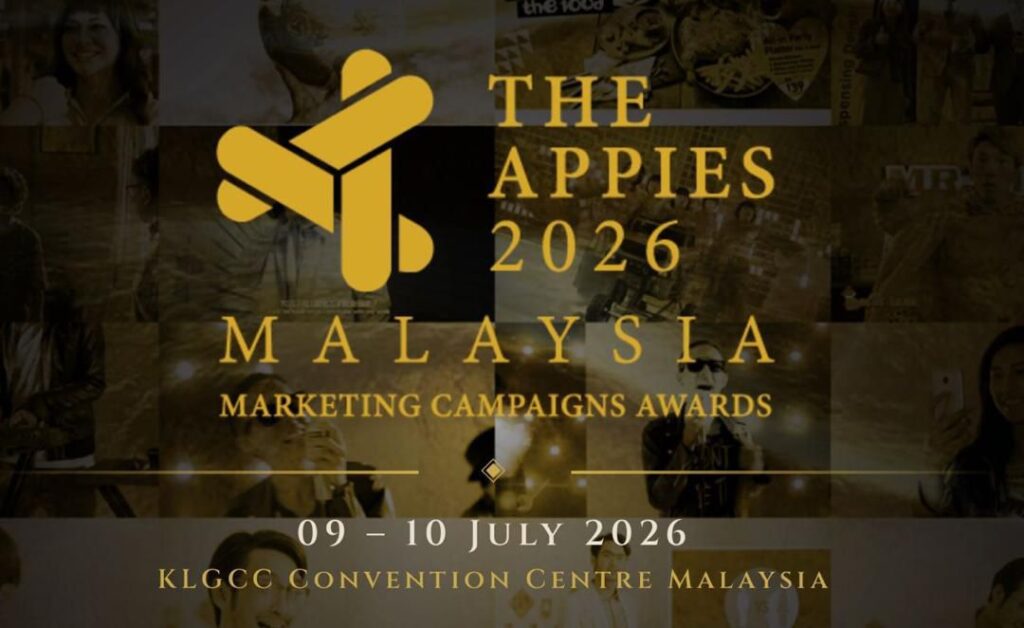
The APPIES is where Malaysia’s boldest campaigns, brightest ideas, and most impactful storytellers take the stage.
More than an awards show, it is the industry’s ultimate platform for creative, media, digital and marketing excellence, where live presentations meet live judging.
This is your chance to showcase work that moved audiences, shaped conversations, and delivered real results.
From breakthrough brand campaigns to innovative digital experiences, the APPIES celebrates the work that defines the future of marketing.
Step into the spotlight alongside the industry’s leading agencies, brands, creatives, strategists and changemakers.
Whether you are aiming for Gold, Silver, Bronze or the prestigious Best of the Best recognition, this is your moment to make history.
Your campaign deserves to be seen.
Your ideas deserve the stage.
Your work deserves the legacy.
KEY DATES
Haven’t subscribed to our Telegram channel yet? Don’t miss out on the hottest updates in marketing & advertising!